
At the far southwestern edge of the Azuero Peninsula in Panama lies a region that many travelers never reach. Roads narrow, mountains rise from the sea, and the modern world seems to thin away into cattle country, surf beaches, jungle rivers, and isolated Pacific coastline. This is the district of Mariato, one of the most remote and atmospheric corners of Panama’s Pacific side.
For people who only know Panama through the skyline of Panama City or the resorts of better known beach towns, Mariato can feel almost shocking. The region is rugged, sparsely populated, and deeply tied to the rhythms of ocean tides, ranching life, fishing, and seasonal storms. It feels less like a tourist destination and more like the edge of something untamed.
Getting there is part of the experience. The roads leading toward Mariato cut through rolling ranchlands, steep green hills, and small villages where horses still outnumber cars in some places. The farther west you travel along the peninsula, the quieter everything becomes. Gas stations grow rare. Cell service weakens. The Pacific appears and disappears beside the road like a moving wall of blue and silver.
Eventually the landscape begins to feel almost frontier like. Cattle graze beneath enormous skies. Vultures circle over distant hills. Dust rises from dry roads during summer, while in the rainy season the same roads can transform into muddy channels crossing swollen rivers and landslide prone hillsides.
What makes Mariato so fascinating is the collision of landscapes packed into one relatively isolated region. The Pacific coastline here is dramatic and constantly changing. Some beaches stretch for kilometers with barely a footprint in sight. Others vanish entirely during high tide beneath crashing surf and black volcanic rock.
One of the most famous nearby beaches is Playa Reina, a long wild shoreline known among surfers, fishermen, and adventurous travelers. Unlike heavily developed beach destinations elsewhere in Central America, Playa Reina still feels raw. Palm trees lean toward the surf. Rivers snake through the sand. At sunset the beach glows copper and orange beneath enormous Pacific clouds.
The ocean itself dominates life in Mariato. During calm mornings it can appear peaceful and endless, but the Pacific here has a dangerous and unpredictable side. Strong currents, sudden storms, and powerful waves shape the coastline constantly. In the rainy season, thunderheads rise offshore like mountains and lightning flashes across the horizon for hours after dark.
Fishermen leave before dawn in small boats, chasing tuna, snapper, and other Pacific species through waters that can turn violent quickly. Stories of storms, rogue waves, and engines failing far offshore are common throughout the region. The sea provides livelihoods, but it demands respect.
The isolation of Mariato has also helped preserve an atmosphere increasingly rare in coastal Central America. There are no giant hotel towers dominating the shoreline. No cruise ship terminals unload thousands of visitors each day. Much of the coast still belongs to cattle ranches, fishing communities, forests, and nearly empty beaches.
This remoteness gives the region a strange emotional quality. Travelers often describe feeling as though they have reached the end of Panama. The paved world begins fading into dirt roads, jungle trails, and ocean horizons.
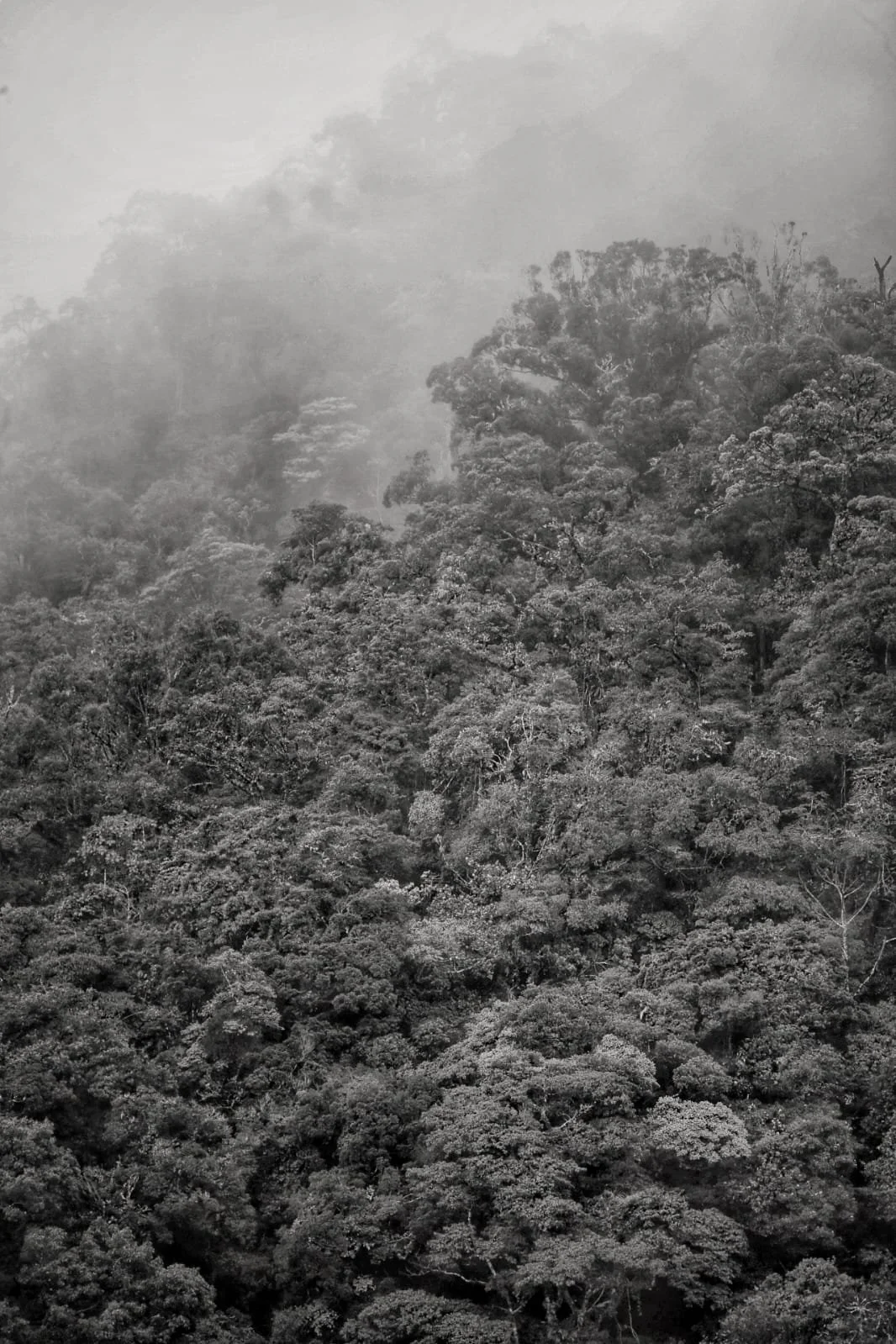
Beyond the beaches, the interior surrounding Mariato is equally captivating. The hills and mountains behind the coast contain patches of tropical forest, rivers, waterfalls, and steep cattle country where cowboys still move herds on horseback through muddy trails.
The ranching culture of the Azuero Peninsula remains deeply visible here. Horses stand tied outside homes. Leather saddles hang beneath tin roofs. Rodeos and rural festivals remain important parts of local identity. In some villages, life still revolves around cattle, weather, and the condition of the roads more than anything happening in the outside world.
During the dry season the landscape transforms dramatically. Grass turns golden brown beneath relentless Pacific sun. Dust coats trees and fences. Water levels in rivers drop, exposing smooth stones and dry banks. Then eventually the rainy season arrives with astonishing force.
Rain in Mariato can feel almost biblical. Rivers overflow rapidly. Hills disappear into fog and storm clouds. Roads become rivers of mud. Entire sections of coastline vanish beneath towering surf and pounding rain. Yet this same rain keeps the region intensely green and alive.
Wildlife still thrives in parts of the area. Howler monkeys roar from forested hillsides at dawn. Iguanas bask on rocks near beaches. Pelicans glide low over the surf in long silent formations. Sea turtles nest on some remote beaches during certain seasons, crawling ashore beneath darkness to bury eggs in the sand.
The surrounding waters also connect Mariato to a larger Pacific wilderness. Offshore islands and marine areas attract divers and sport fishermen from around the world. During whale migration season, humpback whales move through Panamanian Pacific waters, sometimes visible from the coast itself.
There is something cinematic about the region’s geography. Mountains rise suddenly behind empty beaches. Storm clouds gather over jungle ridges while shafts of sunlight break across the sea. Sunset colors become almost exaggerated, reflecting off wet sand and incoming waves.
The communities scattered throughout the Mariato district are small and resilient. Many families have lived there for generations, adapting to isolation and seasonal hardship. Supplies historically arrived slowly. Medical access could be difficult. During especially severe rainy periods, communities sometimes became partially cut off from the rest of the province.
This isolation helped preserve local traditions and a slower pace of life. In many places people still know each other across generations. Fishing, farming, and ranching continue shaping daily routines. Nights remain dark and quiet compared to urban Panama.
For adventurous travelers, Mariato offers something increasingly difficult to find in modern tourism. It still contains uncertainty. Roads may become impassable. Rivers may rise suddenly. Remote beaches may have no services whatsoever. The region demands flexibility and patience rather than polished itineraries.
Yet those same qualities create unforgettable experiences. Driving through storms while the Pacific explodes beside the road. Discovering a beach completely empty except for drifting pelicans and crab tracks. Watching lightning flicker across the ocean from a tiny coastal village at night. Hearing howler monkeys echo through jungle valleys before sunrise.
The farther one explores around Mariato, the more the region begins to feel like a forgotten edge of Panama where the country’s natural forces remain dominant. The sea, the storms, the mountains, and the isolation still shape life more strongly than tourism or development.
There are occasional signs of change. Small eco lodges, surf retreats, and adventurous tourism projects have slowly appeared in parts of the region. Some travelers searching for uncrowded Pacific coastline have begun discovering Mariato precisely because it feels so different from more commercial destinations.
But compared to much of Central America’s Pacific coast, Mariato still feels remarkably untouched.
Perhaps that is what makes it so compelling. Mariato is not a place of polished perfection. Roads are rough. Infrastructure is limited. The weather can be extreme. Yet these same qualities give the region authenticity and atmosphere.
It is a place where Panama still feels enormous and wild. A place where beaches vanish into storms, where cowboys ride beneath tropical mountains, and where the Pacific crashes endlessly against one of the country’s last truly remote coastlines.