
There are few animals on Earth capable of changing human behavior as instantly as snakes.
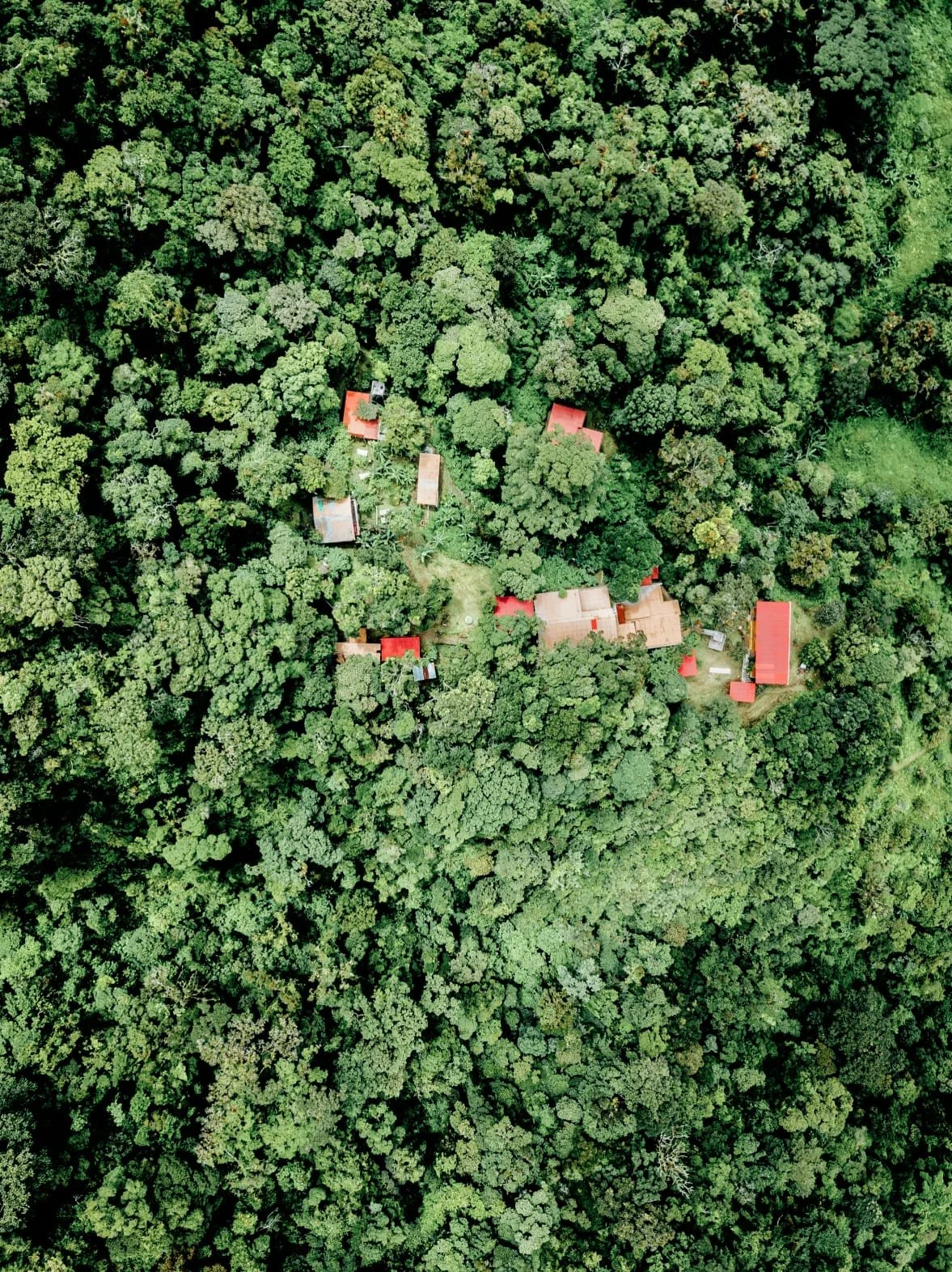
A traveler can walk casually through a Panamanian rainforest for hours without concern, admiring butterflies, listening to birds, photographing flowers, and enjoying the humid jungle atmosphere. Then someone quietly says the word “snake,” and suddenly everything changes. Every branch overhead becomes suspicious. Every twisted root resembles a coiled serpent. Every step becomes deliberate. The rainforest itself somehow feels wilder, older, and infinitely more alive.
Snakes possess a unique psychological power over humans. Some people are fascinated by them. Others are terrified. Most are a mixture of both.
And Panama is one of the greatest countries in the Americas to explore the astonishing world of snakes.
The reason lies partly in geography. Panama forms the narrow biological bridge connecting North and South America, allowing species from both continents to mix over millions of years. Tropical lowlands, cloud forests, mangroves, swamps, dry Pacific forests, rivers, mountains, islands, and dense jungle all exist within a relatively compact area. Each habitat supports different reptiles, creating an incredible diversity of serpentine life.
Panama’s snakes range from tiny earth colored burrowers hidden beneath leaves to giant muscular constrictors capable of swallowing mammals whole. Some species resemble living vines. Others look like polished jewels. Some are among the most venomous reptiles in the Americas, while many are completely harmless.
One of the most fascinating things about snakes in Panama is how invisible they usually are.
The rainforest is full of them, yet most travelers never notice. This is partly because snakes are masters of camouflage and stealth. Evolution turned them into hidden specialists. They blend into moss, bark, leaves, mud, vines, water, and shadows with almost supernatural effectiveness.
A branch becomes a snake. A snake becomes a branch.
And often you never realize the difference.
Many visitors arrive in Panama imagining snakes everywhere, dangling dramatically from trees or slithering openly across jungle paths every few minutes. The reality is far subtler. Snakes generally avoid humans whenever possible. Most encounters happen only because someone was observant, lucky, or moving slowly enough to notice what others missed.
But knowing they exist changes the feeling of the forest itself.
The jungle no longer feels like scenery. It feels inhabited.
The Fer de Lance, The Snake That Defines Fear in Central America
No discussion of Panamanian snakes can begin anywhere except with the legendary Fer de Lance.
Fer-de-lance has achieved almost mythical status across Central America. Locally called terciopelo in many regions, this snake is responsible for more medically significant snakebites than perhaps any other species in the area.
The reputation is so strong that even experienced jungle workers speak about the Fer de Lance with a certain respect.
Part of this comes from how adaptable the snake is. Many reptiles require very specific untouched habitats, but Fer de Lance snakes thrive across a wide range of environments. Rainforests, plantations, overgrown fields, riverbanks, secondary jungle, agricultural zones, and forest edges all provide suitable habitat.
Unfortunately for humans, these are often the exact same places people walk.
The snake itself is incredibly well designed for ambush hunting. Thick bodied and muscular, with cryptic triangular patterns running down the body, it blends into leaf litter almost perfectly. Looking directly at one does not guarantee you will see it.
This camouflage is so effective that many bites happen because someone unknowingly steps beside or near the snake.
Unlike Hollywood myths, the Fer de Lance does not actively chase humans through the jungle. It is primarily defensive. But when threatened, it can strike with astonishing speed and power. The strike is almost too fast for the human eye to properly follow.
Its venom is extremely serious, causing tissue destruction, swelling, bleeding complications, intense pain, and potentially life threatening systemic effects without rapid medical treatment.
Yet what makes the Fer de Lance truly fascinating is not simply danger. It is how perfectly evolution shaped it for survival.
The snake possesses heat sensing pits between the eyes and nostrils, allowing detection of warm blooded prey even in complete darkness. Rodents moving invisibly through nighttime jungle become detectable through body heat alone.
Its patience is extraordinary. A Fer de Lance may remain motionless for hours waiting beside rodent trails or frog rich areas. Unlike predators relying on constant pursuit, pit vipers conserve energy by letting prey come to them.
Young Fer de Lance snakes possess bright tail tips that wiggle like worms to lure frogs and lizards within striking distance. This behavior, called caudal luring, is one of nature’s most sinister tricks.
Interestingly, juveniles often eat more amphibians while adults transition toward mammals. Their diet evolves as they grow.
Despite their fearsome reputation, Fer de Lance snakes are incredibly important ecologically. Without predators controlling rodent populations, tropical ecosystems would become chaotic. Snakes help regulate prey numbers in ways most people rarely appreciate.
And for wildlife enthusiasts, seeing a Fer de Lance safely in the wild can become one of the most unforgettable moments imaginable. The experience feels primal. Few creatures command respect so instantly.
The Eyelash Viper, The Rainforest’s Most Beautiful Assassin
If the Fer de Lance embodies fear, the Eyelash Viper embodies fascination.
Eyelash Viper is arguably one of the most beautiful snakes on Earth. Even people who dislike reptiles often find themselves mesmerized by its appearance.
The first shocking thing about Eyelash Vipers is their color diversity. Yellow, green, orange, rust colored, pinkish, brown, and patterned individuals all exist. Some look like glowing tropical fruit hanging from branches. Others resemble moss or dead leaves.
The famous “eyelashes” are actually modified scales projecting above the eyes. Scientists believe these help disrupt the outline of the snake’s head, enhancing camouflage among vegetation.
Unlike ground dwelling Fer de Lance snakes, Eyelash Vipers are primarily arboreal. They spend much of their lives coiled on branches, leaves, vines, and shrubs waiting patiently for prey.
Patience defines this species.
An Eyelash Viper may remain in nearly identical position for astonishing lengths of time. Frogs, birds, rodents, and lizards wandering too close are struck with incredible precision.
Their camouflage can become almost absurdly effective. A green individual among rainforest leaves may disappear completely until it moves.
Photographers and herpetologists adore Eyelash Vipers because they combine beauty, danger, and rainforest atmosphere perfectly. A bright yellow snake coiled on moss within Panama’s misty cloud forests looks almost fictional.
One especially fascinating fact is how localized color morphs sometimes become. In certain regions, yellow individuals dominate while nearby populations appear mostly green.
Nobody fully understands all the evolutionary pressures driving this variation.
Despite their beauty, Eyelash Vipers are still venomous pit vipers deserving enormous respect. Their venom can cause severe pain and tissue damage, though fatalities are relatively uncommon with proper treatment.
Yet these snakes also reveal something important about tropical evolution. In Panama, danger and beauty frequently coexist in the same creature.
The Bushmaster, The Phantom Giant of the Rainforest
Among snake enthusiasts, the Bushmaster occupies legendary status.
Bushmaster is not merely rare. It is the type of animal people dedicate years searching for.
This enormous pit viper is the largest venomous snake in the Americas and one of the most mysterious reptiles in Panama. Many lifelong travelers, researchers, and naturalists never encounter one.
Part of the fascination comes from its rarity combined with sheer size. Bushmasters can exceed three meters in length, making them truly imposing animals. Yet despite this, they remain astonishingly elusive.
Dense primary rainforest provides their preferred habitat. Deep remote jungle with minimal disturbance offers the best chance of survival for these secretive giants.
Bushmasters differ behaviorally from many smaller vipers. While they still use ambush hunting, they often move more actively through the forest than species relying entirely on stationary camouflage.
Their scales create beautiful rough textured patterns perfectly matching rainforest floor debris. Looking at a Bushmaster often feels like looking at a living extension of the jungle itself.
One remarkable feature is their tail vibration behavior. When threatened, Bushmasters shake their tails rapidly against leaves, producing sounds eerily similar to rattlesnakes even though they possess no rattle.
The venom is highly dangerous, containing powerful toxins affecting circulation, tissue, and nervous system function.
Yet Bushmasters are generally shy and reclusive. Most avoid confrontation whenever possible.
The rarity of encounters has transformed them into almost mythical rainforest ghosts. Seeing one safely in the wild reportedly creates an overwhelming sense of awe even among experienced herpetologists.
Some researchers compare Bushmaster sightings to seeing a jaguar. Both represent encounters with the hidden apex predators of tropical forests.
The Boa Constrictor, Panama’s Silent Muscle
Boa Constrictor may be the most iconic large snake in Panama.
Unlike venomous snakes, boas rely entirely on strength and stealth. They kill prey through constriction, wrapping muscular coils around animals and tightening with terrifying efficiency.
Movies often exaggerate constrictors dramatically, but real boas are far more interesting than fiction.
These snakes are masters of ambush. A boa may position itself near rodent trails, water sources, bird nesting areas, or forest pathways and simply wait.
Their camouflage is extraordinary. Brown, tan, and reddish saddle patterns blend perfectly with bark, leaves, and shadows.
Juveniles spend more time climbing while larger adults become increasingly terrestrial due to body mass. However, boas remain excellent climbers throughout life.
One of the most fascinating aspects of boas is their sensory system. Specialized heat sensitive scales help detect warm blooded prey in darkness. Combined with chemical sensing through tongue flicking, boas possess an incredibly detailed awareness of their surroundings.
Unlike venomous strikes requiring instant release, boas physically dominate prey through direct muscular power. Contrary to popular myth, they do not crush bones. Instead, they restrict circulation and breathing.
Boas are surprisingly calm animals when not threatened. Many professional herpetologists describe them as intelligent and observant compared to other reptiles.
In Panama, boas occupy an important ecological role controlling rodent populations. Farmers sometimes appreciate them for reducing pests around agricultural areas.
Yet they still inspire primal fear in many people because size itself triggers deep instinctive reactions.
Seeing a large boa stretched across a branch in tropical rainforest creates an unforgettable image of ancient reptilian power.
The Green Vine Snake, The Forest’s Living Illusion
Green Vine Snake barely resembles a normal snake at all.
Long, impossibly thin, bright green, and equipped with enormous forward facing eyes, vine snakes look like creatures designed specifically for camouflage experiments.
They move slowly and deliberately through vegetation, often swaying gently like branches in the wind. This movement makes them nearly impossible to distinguish from surrounding plants.
Their pointed snouts and binocular vision create an almost birdlike hunting style. Unlike heavy ambush vipers, vine snakes actively visually track prey including frogs, lizards, and small birds.
One fascinating defensive behavior involves neck inflation. When threatened, the snake expands part of its body, revealing hidden black and white patterns beneath green scales.
This sudden transformation startles predators effectively.
Vine snakes also possess mildly venomous saliva helping immobilize prey. While not dangerous to humans, it demonstrates how many seemingly harmless rainforest species contain specialized chemical weaponry.
Among Panama’s snakes, vine snakes may be the best example of evolution pushing camouflage to astonishing extremes.
The Coral Snake, Nature’s Biological Warning Sign
Coral Snake and related coral snake species are among Panama’s most visually dramatic reptiles.
Bright bands of red, black, yellow, or white advertise danger openly. Unlike camouflaged vipers hiding invisibly, coral snakes essentially announce themselves.
This coloration serves as aposematism, nature’s warning system. Predators learn quickly that brightly banded snakes are dangerous.
Coral snakes possess neurotoxic venom affecting nerves and breathing. They belong to the same broad family as cobras and mambas rather than pit vipers.
Interestingly, coral snakes are often shy and secretive despite potent venom. Many spend much of their lives hidden beneath debris or underground.
What makes them especially fascinating is mimicry.
Across Panama, multiple harmless snake species evolved similar coloration patterns to imitate coral snakes. Predators avoiding venomous originals inadvertently protect harmless mimics too.
This creates one of evolution’s most remarkable visual deceptions.
Even experienced people sometimes hesitate before identifying striped snakes because mistakes can carry serious consequences.
Coral snakes also challenge common assumptions about danger. Their small mouths and fixed fangs mean many are less likely to bite humans than large vipers.
Still, they deserve immense respect.
The Cat Eyed Snake, The Elegant Hunter of the Night
Cat-eyed Snake emerges after dark when Panama’s rainforest transforms into an entirely different world.
These slender nocturnal snakes possess vertical pupils resembling feline eyes, hence the name.
Night hikes through Panama often reveal cat eyed snakes moving through vegetation near streams while frogs call loudly around them.
They feed heavily on amphibians, making rainy nights especially productive hunting periods.
Unlike massive boas or thick vipers, cat eyed snakes appear delicate and graceful. Yet they are highly effective predators adapted specifically for nighttime hunting.
Their mildly venomous saliva helps subdue slippery prey.
For travelers exploring Panama’s nocturnal jungle life, cat eyed snakes frequently become gateway species into appreciating reptilian diversity beyond famous dangerous snakes.
The False Fer de Lance, Evolution’s Greatest Bluff
False Fer-de-lance demonstrates one of evolution’s most brilliant survival strategies: deception.
This harmless snake evolved behaviors mimicking dangerous pit vipers almost perfectly.
When threatened, it flattens its head into triangular shape, strikes aggressively, and behaves with startling confidence.
The performance is convincing enough to fool predators and humans alike.
Essentially, the snake survives by pretending to be something far more dangerous.
This strategy highlights how predator psychology shapes evolution. Sometimes appearing deadly provides nearly as much protection as actually being deadly.
Snakes and the Psychology of Fear
Humans react differently to snakes than almost any other animal.
Scientists believe snake recognition may be deeply embedded in primate evolution. Early primates surviving in tropical forests benefited enormously from quickly identifying serpentine shapes.
This may explain why even modern humans instinctively notice snake like patterns faster than many other visual stimuli.
Yet fear often obscures appreciation.
Most snakes in Panama are harmless. Even venomous species generally avoid humans whenever possible. Snakebite risk remains relatively low for cautious travelers staying on trails and paying attention.
In reality, humans kill vastly more snakes than snakes harm humans.
Why Panama’s Snakes Matter Ecologically
Without snakes, Panama’s ecosystems would collapse into imbalance.
Rodent populations would explode. Agricultural damage would increase dramatically. Disease transmission patterns could shift. Food webs would destabilize.
Snakes occupy critical predator roles across every habitat.
They also serve as prey themselves for hawks, eagles, mammals, crocodilians, and larger reptiles.
Healthy snake diversity indicates healthy ecosystems.
Why Travelers Rarely See Them
Despite the fear surrounding tropical snakes, most remain hidden.
Camouflage, nocturnal habits, cautious behavior, and dense vegetation make encounters surprisingly uncommon.
This hidden existence contributes to their mystique. The rainforest feels full of unseen possibility precisely because snakes remain largely invisible.
Every careful step through Panama’s forests carries the knowledge that extraordinary creatures may be resting only feet away unnoticed.
And perhaps that invisible presence is part of what makes Panama’s wilderness feel so thrillingly alive.