
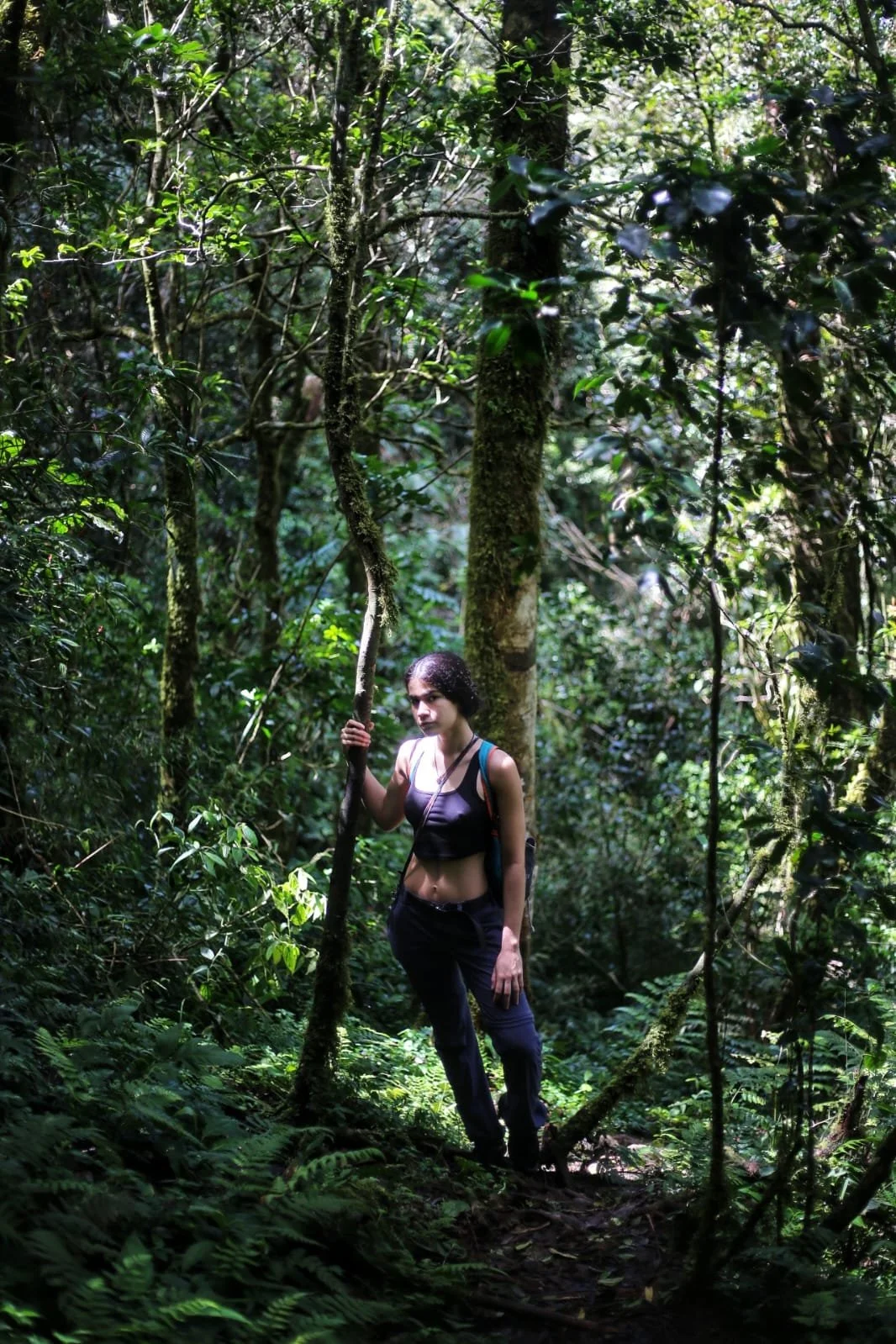
For years, Costa Rica has dominated backpacker conversations about Central America. Mention tropical backpacking and people immediately imagine surfboards strapped to hostel walls, yoga retreats in jungle towns, sloths hanging from trees, volcanoes surrounded by cloud forest, and expensive smoothie bowls served to digital nomads with laptops. Costa Rica became one of the world’s most recognizable eco tourism destinations long before most travelers seriously considered neighboring Panama.
Yet something interesting happens when backpackers actually visit both countries.
A surprising number quietly leave Panama saying the same thing: “Why does nobody talk about this place more?”
Panama often feels like the less famous sibling standing beside a celebrity brother. Costa Rica gets the magazine covers, the influencer attention, the endless travel documentaries, and the international eco tourism branding. Panama quietly sits next door with rainforests, islands, cloud forests, surfing, wildlife, mountains, indigenous cultures, scuba diving, Caribbean beaches, Pacific beaches, tropical islands, and jungle hostels that sometimes feel far more raw and authentic than their Costa Rican equivalents.
And then there is the biggest factor for backpackers: money.
Costa Rica has become expensive. Not just slightly expensive for Central America, but in some regions genuinely comparable to parts of the United States or Western Europe. Backpackers arrive expecting low prices because they are in Central America, then suddenly find themselves paying fifteen dollars for brunch, sixty dollars for shuttle buses, and hostel prices that feel more like boutique hotels.
Panama, meanwhile, still often feels financially manageable.
This does not mean Panama is dirt cheap. Those days are mostly gone across much of Central America. But Panama generally gives backpackers significantly more breathing room. The difference becomes more noticeable the longer you travel.
A week in Costa Rica may not feel dramatically more expensive. A month absolutely will.
The fascinating part is that the two countries share many similarities geographically. Both contain lush tropical ecosystems packed with wildlife. Both have coastlines on the Caribbean and Pacific. Both offer volcanoes, waterfalls, surfing, diving, snorkeling, jungle hikes, and incredible biodiversity. Both are considered relatively safe by regional standards. Yet the experience of traveling through them feels completely different once you begin dealing with transportation, accommodation, food prices, tourism culture, and daily logistics.
Costa Rica feels polished. Panama feels more flexible.
Costa Rica often feels curated for international tourism. Panama still frequently feels like a country that happens to contain incredible travel experiences rather than a country designed entirely around tourism itself.
That distinction changes almost everything.
One of the first things backpackers notice is accommodation pricing. Costa Rica’s popularity has pushed hostel prices steadily upward over the years. In famous destinations like Santa Teresa, Tamarindo, La Fortuna, Monteverde, or Manuel Antonio, dorm beds regularly cost prices that shock travelers expecting “budget Central America.” During high season, some hostel dorms begin approaching hotel prices in neighboring countries.
The atmosphere in these places can feel highly internationalized. Smoothie cafes, coworking spaces, surf camps, vegan restaurants, boutique coffee shops, yoga retreats, and luxury eco lodges dominate many tourist areas. In some Costa Rican beach towns, you hear more English than Spanish.
Panama’s hostel scene feels different. There are certainly touristy places, especially around Bocas del Toro and sections of Panama City, but much of the country still retains a more locally integrated atmosphere. Backpacker infrastructure exists without feeling completely overwhelming.
This becomes especially obvious in mountain and jungle destinations. Around places like Lost and Found Hostel, the experience often feels more connected to the surrounding environment rather than carefully engineered tourism. Travelers stay deep in cloud forest surrounded by wildlife, mist, and jungle sounds rather than giant tourism ecosystems built around package activities.
Accommodation in Panama generally gives better value overall. Hostel dorms commonly range from roughly ten to twenty dollars depending on location and season. Private rooms can still remain surprisingly affordable in many regions. In Costa Rica, especially in highly developed tourist destinations, prices climb quickly.
The problem is not only accommodation itself. It is how quickly small daily costs compound in Costa Rica.
Food becomes one of the biggest budget drains.
Costa Rica absolutely has good food, but many backpackers arrive expecting ultra cheap meals and quickly realize tourist regions operate on very different pricing systems. In popular beach towns, breakfast alone can easily cost what an entire day of meals might cost elsewhere in Central America.
Costa Rican local restaurants called sodas still provide affordable meals compared to tourist restaurants, but even these often cost noticeably more than equivalent meals in Panama. A backpacker eating casually in Costa Rica can slowly burn through money without even realizing it because individual purchases do not initially seem outrageous. Then suddenly the weekly budget has disappeared.
Panama tends to feel more forgiving financially. Local fondas serve large portions of rice, beans, chicken, fish, plantains, salad, and soup at prices that still feel genuinely reasonable. Street food remains common and accessible. Grocery shopping also tends to feel cheaper.
One underrated advantage is Panama’s use of the US dollar. Backpackers often underestimate how psychologically helpful this becomes. There is no constant currency conversion happening mentally every time you buy something. Budgeting becomes simpler and more transparent.
Transportation reveals another enormous difference between the countries.
Panama’s transportation system works surprisingly well for backpackers. Long distance buses are cheap, frequent, and relatively straightforward. It is entirely possible to travel across major sections of the country for remarkably little money. Local buses, though sometimes chaotic, remain extremely affordable.
Costa Rica’s transportation network is functional but can feel frustratingly inefficient depending on your route. Distances that appear short on maps often become long exhausting travel days due to mountain roads and indirect routes. Backpackers frequently end up relying on tourist shuttle systems instead of public buses simply to save time.
Those shuttle prices add up brutally.
A traveler moving repeatedly between Costa Rican tourist hotspots can spend enormous amounts purely on transportation. In Panama, transportation rarely feels like the main financial enemy.
This difference becomes even more dramatic for travelers considering rental cars. Costa Rica’s rental car situation has developed a near legendary reputation among backpackers and tourists. Initial online prices may appear affordable, but mandatory insurance and hidden fees frequently explode the final cost far beyond expectations.
Panama generally feels less punishing in this regard.
Activities create another major divide.
Costa Rica has perfected eco tourism. The country deserves enormous credit for this. National parks are well maintained, guides are excellent, conservation systems are sophisticated, and wildlife tourism infrastructure is world class. You can zipline through cloud forests, raft jungle rivers, hike volcanoes, watch sea turtles nest, surf famous waves, and spot sloths with highly organized efficiency.
But every activity carries a price tag.
And often not a small one.
In Costa Rica, nature sometimes begins feeling monetized. Waterfalls require entrance fees. National parks require entrance fees. Guided hikes require entrance fees. Parking requires fees. Wildlife tours require fees. Even beaches occasionally feel surrounded by tourism businesses charging for every layer of the experience.
Panama often feels less commercialized. Many beaches remain relatively undeveloped. Hiking opportunities frequently feel more open ended. Nature experiences can happen spontaneously without needing structured packages.
This does not necessarily mean Panama’s tourism infrastructure is “better.” In fact, Costa Rica is objectively easier for first time travelers wanting convenience and organization. But Panama often creates stronger feelings of discovery because not every experience feels packaged.
Wildlife experiences illustrate this perfectly.
Costa Rica’s wildlife tourism machine is incredibly polished. Guides carrying spotting scopes help tourists photograph sloths, frogs, snakes, toucans, and monkeys with astonishing efficiency. It works extremely well.
Panama’s wildlife experiences often feel less predictable and therefore more adventurous. You may spend a night in cloud forest hearing howler monkeys roar through misty mountains while spotting bioluminescent fungi and nocturnal mammals almost by accident. Encounters feel more organic and less scheduled.
For backpackers seeking rawness and unpredictability, Panama can feel deeply rewarding.
The social atmosphere differs enormously too.
Costa Rica has one of the strongest backpacker circuits in the Americas. Travelers constantly move between identical famous destinations, creating highly social hostel environments where meeting people becomes effortless. Surf towns, yoga communities, party hostels, and digital nomad hubs generate nonstop social opportunities.
This is fantastic for many travelers. Solo backpackers often find Costa Rica incredibly easy socially.
Panama feels quieter. Backpackers still connect easily, but the country lacks the same nonstop conveyor belt of international travelers. Some people love this because interactions feel more genuine and less transient. Others find it less exciting.
Interestingly, Panama also attracts a slightly different type of traveler in many regions. Costa Rica often draws first time backpackers seeking comfortable adventure. Panama frequently attracts travelers specifically trying to avoid overtourism.
Even the landscapes somehow feel psychologically different despite geographic similarities.
Costa Rica often feels intensely green, polished, and organized. Panama can feel wilder, moodier, and more mysterious. Dense cloud forests, isolated mountain roads, hidden Caribbean islands, and remote jungle regions create a stronger sense that unexplored corners still exist.
This becomes especially obvious outside major destinations. Much of Panama still feels largely untouched by mass tourism. Entire regions remain barely discussed internationally despite extraordinary biodiversity and scenery.
Then there is the matter of cities.
San José, Costa Rica’s capital, is often treated mainly as a transportation hub by travelers. Many backpackers leave immediately after arrival.
Panama City surprises people.
Panama City feels modern, energetic, and oddly futuristic compared to expectations many travelers carry about Central America. Massive skyscrapers rise beside colonial neighborhoods while tropical rainforest exists astonishingly close to urban areas. The city’s metro system feels more advanced than what many travelers expect even in wealthier countries.
This creates another subtle difference between the countries. Costa Rica’s tourism identity revolves heavily around nature while urban areas often feel secondary. Panama offers both strong nature travel and a genuinely interesting capital city experience.
Internet and infrastructure also matter increasingly for modern backpackers.
Costa Rica’s digital nomad culture is extremely developed. Coworking cafes, remote work communities, and internet focused hostels are widespread.
Panama quietly competes very well here too, particularly in Panama City and many established traveler destinations. In some ways Panama’s overall infrastructure actually feels more developed than Costa Rica’s, particularly regarding roads, banking, and telecommunications.
Safety comparisons become interesting as well.
Both countries are generally considered among the safer destinations in Latin America for travelers. Petty theft exists in both, especially in tourist areas, but violent crime against tourists remains relatively uncommon compared to parts of the region.
Costa Rica has cultivated a particularly strong international image of peaceful eco paradise. Panama receives less international attention despite often feeling equally manageable for travelers.
Many backpackers also underestimate Panama’s diversity. Indigenous regions, Afro Caribbean culture, modern urban districts, remote mountain villages, island communities, and dense rainforest all coexist within a relatively compact country.
Costa Rica’s tourism infrastructure sometimes creates a smoother experience. Panama’s diversity often creates a more surprising one.
The strangest part of comparing the two countries is realizing how many travelers arrive expecting Costa Rica to obviously dominate, only to leave deeply impressed by Panama instead.
Costa Rica absolutely deserves its reputation. It remains one of the world’s great eco tourism destinations for good reason. The country invested heavily in conservation long before many others took environmental tourism seriously. Its national parks and wildlife protections are genuinely admirable.
But popularity changes places.
As tourism grows, prices rise. Infrastructure expands. Crowds increase. Hidden places become famous. Backpacker towns evolve into international tourism economies.
Panama still feels earlier in that process.
There are still moments in Panama where travelers genuinely feel they stumbled onto something rather than followed a well worn tourism blueprint. Empty beaches, cloud forest hostels, jungle waterfalls, roadside wildlife encounters, and remote islands often retain a sense of unpredictability increasingly rare in heavily developed destinations.
For budget backpackers, this matters enormously.
Travel becomes psychologically different when you are not constantly calculating every purchase. Panama allows many travelers to relax financially in ways Costa Rica sometimes does not.
In Costa Rica, backpackers often budget carefully just to maintain momentum.
In Panama, they more often feel free to stay longer.