
The Ghostly Predator Floating Above the Rainforest
There are some animals in Panama that blend perfectly into the jungle.
Brown frogs vanish against wet leaves. Insects disappear into bark. Sloths melt invisibly into tangled branches high above the canopy.
Then there is the white hawk.
And the white hawk does the exact opposite.
It stands out so dramatically against the rainforest that the first sighting almost feels unreal.
Imagine hiking through dense tropical forest in Panama. The jungle around you is dark green, tangled, humid, and alive with shadow. Giant leaves drip from recent rain while vines twist through towering trees. Everything feels layered in deep jungle colors.
Then suddenly a brilliant white bird glides silently between the trees.
Not pale grey. Not lightly colored.
Bright white.
Like a piece of cloud somehow detached itself from the sky and began hunting through the rainforest.
The effect is unforgettable.
The white hawk is one of the most striking birds of prey found in Panama’s tropical forests, especially in humid lowland rainforests and Caribbean side ecosystems. Unlike many hawks that rely heavily on camouflage browns and dark feather patterns, the white hawk almost seems designed to shock observers.
Its body is almost entirely snowy white except for dark markings on the wings and tail.
Against green rainforest vegetation, the contrast becomes astonishing.
Even experienced birdwatchers stop and stare when they see one properly.
And because white hawks often glide quietly and gracefully through forest openings, the bird can appear almost ghostlike. Many sightings happen suddenly. A white shape drifts silently above a river, through a canopy gap, or beside a jungle trail before vanishing back into the forest.
People often stand frozen afterward wondering if they imagined the entire thing.
The white hawk belongs to the group of birds known as raptors, meaning birds of prey. Like eagles, falcons, and other hawks, it hunts smaller animals using sharp vision, powerful talons, and incredible aerial control.
But unlike dramatic open sky hunters soaring high above mountains, white hawks often prefer humid tropical forests where they move carefully between trees and forest edges.
This gives them an elegant almost mysterious presence.
They are not loud birds. They are not chaotic. They do not announce themselves dramatically like parrots or macaws.
Instead they appear quietly and disappear just as quickly.
One fascinating thing about white hawks is how well their bright coloration actually works in rainforest conditions.
At first this seems completely backward.
Why would a predator in dense jungle evolve pure white feathers?
But filtered tropical sunlight creates strange lighting conditions inside forests. Bright patches of sky constantly flash between leaves while sunlight reflects off wet vegetation and moving clouds. The white hawk’s coloration may help break up its outline against these shifting bright backgrounds, especially from below.
Nature often makes more sense the longer you observe it.
The forests of Panama provide ideal habitat for white hawks because the country still contains enormous stretches of tropical ecosystem. Regions near Soberanía National Park became especially famous among birdwatchers for incredible rainforest biodiversity, and white hawks occasionally appear gliding through these humid forests.
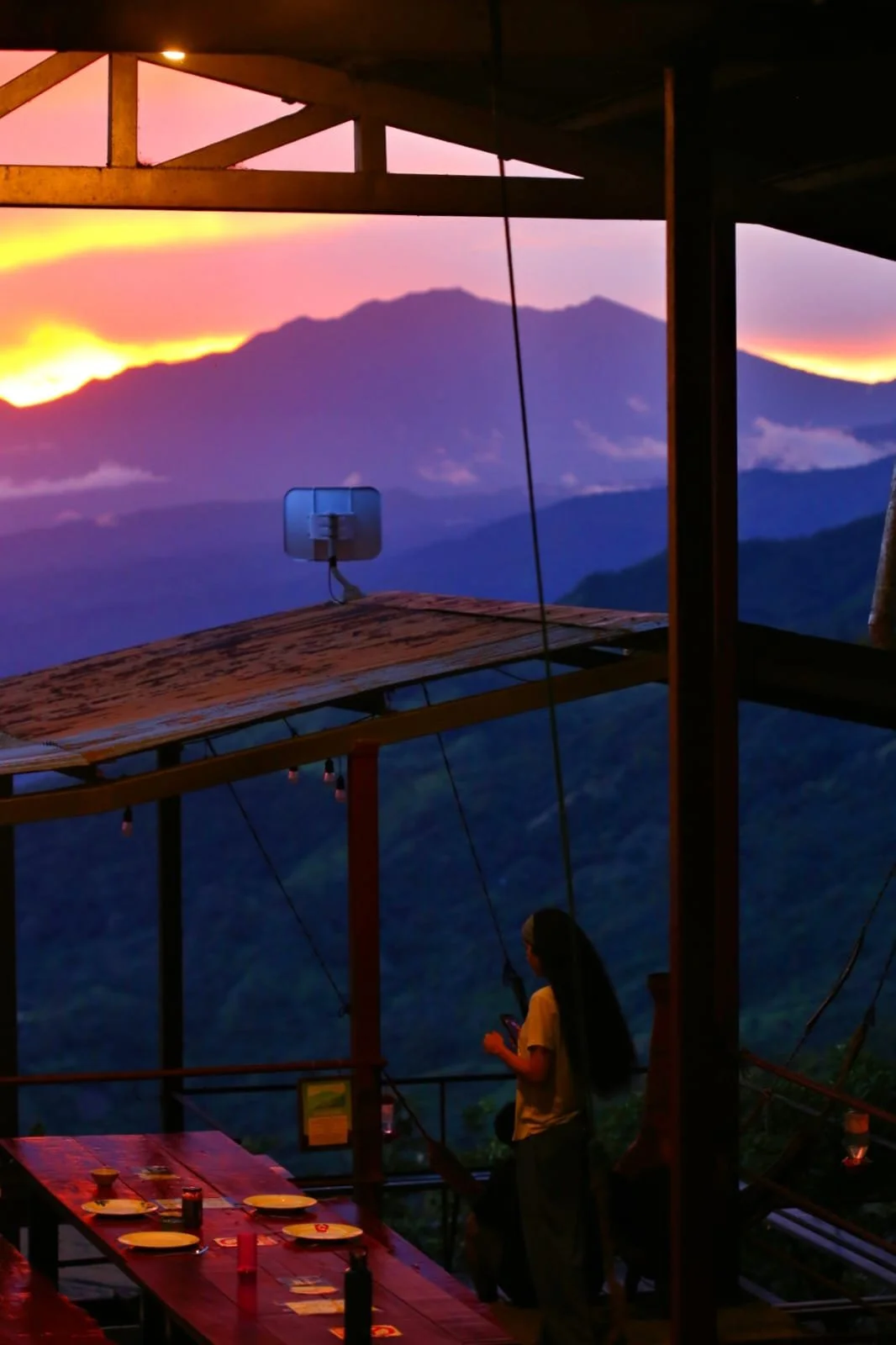
They are also surprisingly well known around Lost and Found Hostel in the cloud forests of western Panama. Travelers relaxing on the viewing deck there sometimes suddenly spot a white hawk drifting across the valley below or gliding silently above the forest canopy.
And honestly, Lost and Found might be one of the perfect places to see one.
The hostel already sits surrounded by thick jungle, steep green valleys, misty mountain slopes, and endless rainforest sounds. People spend hours on the viewing deck watching clouds move through the mountains while toucans, hummingbirds, and other tropical birds pass through the trees nearby.
Then suddenly a white hawk appears.
Bright against the dark green forest.
Floating effortlessly across the valley while the cloud forest disappears into mist behind it.
The sight feels almost cinematic.
Backpackers drinking coffee or recovering from difficult hikes often end up completely silent watching the bird glide through the mountain air. Sometimes it circles slowly over the forest before vanishing into cloud and jungle again.
Moments like that become the kind travelers remember years later.
Early morning rainforest walks in Panama feel almost unreal already.
Mist rises through the trees. Howler monkeys roar distantly. Trogons sit motionless in shadowy branches. Insects hum endlessly.
Then somewhere overhead a white hawk drifts silently through the canopy openings like a tropical phantom.
The bird’s diet includes a fascinating variety of rainforest prey. White hawks feed on reptiles, amphibians, insects, small mammals, and other creatures hiding within tropical vegetation.
Frogs appear especially important in their diet.
And honestly, Panama’s rainforests contain enough frogs to support entire airborne ecosystems of predators.
During rainy season especially, tropical forests erupt with amphibian activity. Frogs call from puddles, streams, leaves, and hidden jungle corners while predators like white hawks patrol quietly above.
The balance of rainforest life becomes incredibly interconnected.
One especially interesting behavior of white hawks is how patiently they hunt. Unlike falcons known for extreme speed dives, white hawks often perch quietly or glide slowly searching for movement below.
There is elegance to their hunting style.
Everything feels controlled. Measured. Silent.
And perhaps that stillness makes the bird feel even more magical in dense tropical environments where so much else moves chaotically.
Because rainforests in Panama are loud places.
Cicadas scream electrically through the trees. Monkeys crash through branches. Birds call constantly. Rain explodes suddenly against leaves.
The white hawk somehow moves calmly through all of it.
Birdwatchers absolutely adore this species partly because sightings feel special every single time. White hawks are not birds people casually ignore once seen. The contrast between their bright plumage and dark jungle surroundings burns itself into memory immediately.
And photography enthusiasts become obsessed with them.
Capturing a white hawk properly in rainforest light feels almost mythical. The bird may appear for only seconds before disappearing behind trees. Lighting shifts constantly beneath canopy cover. Rainforest humidity fogs lenses while insects attempt psychological warfare against photographers standing motionless for hours.
Yet people keep trying because the bird is simply too beautiful not to photograph.
One thing travelers quickly realize in Panama is how many remarkable predators exist hidden within the country’s ecosystems.
Harpy eagles patrol deep forests. Ocelots move silently through jungle shadows. Snakes coil invisibly beside streams. And white hawks drift quietly overhead watching everything.
The rainforest operates through layers of hunters and prey interacting constantly.
The white hawk occupies a fascinating middle ground within this system. It is powerful enough to hunt effectively yet elegant enough to seem almost peaceful while doing it.
And unlike huge dramatic eagles inspiring awe through sheer size, white hawks inspire fascination through contrast and beauty.
They look like tropical snowbirds wandering accidentally through the jungle.
Of course, like many rainforest species, white hawks depend heavily on healthy ecosystems. Deforestation and habitat fragmentation threaten countless tropical birds throughout Central America.
Birds requiring large forested territories become especially vulnerable when forests break apart into isolated patches.
Protecting Panama’s forests therefore protects creatures like the white hawk too.
And honestly, once you witness one gliding silently through rainforest mist, conservation suddenly feels much less abstract.
You understand immediately what would be lost.
Not just a bird.
A feeling.
A moment.
A flash of white drifting silently through green jungle darkness.
One especially unforgettable aspect of white hawk sightings is how quiet they feel emotionally afterward. Many tropical wildlife encounters involve excitement and noise. People shout, point, grab cameras, and celebrate dramatically.
White hawk sightings often produce silence instead.
People simply watch.
Because the bird somehow changes the atmosphere around it. Its movement appears so smooth and clean against the chaos of the rainforest that it briefly makes the jungle itself feel slower and calmer.
Then suddenly it vanishes behind the trees again.
And the forest returns to normal.
Cicadas continue screaming. Monkeys crash through branches. Rain begins somewhere nearby.
But for a few seconds, the rainforest revealed one of its most elegant hidden predators.
A white ghost floating silently through the tropical canopy of Panama.