
There are still places in Panama that feel genuinely undiscovered. Not “hidden gems” filled with influencers and boutique cafés pretending to be remote, but actual isolated regions where the roads become rough, the forests grow thick, and life moves according to tides, rain, fishing boats, and cattle rather than tourism schedules.
The Mariato District and the small coastal settlement of Torio belong to that version of Panama.
For many travelers, simply reaching this region already feels like an adventure. The farther west you travel along the Pacific coast of the Azuero Peninsula, the more Panama begins to change. Traffic disappears. Towns become smaller and quieter. Mountains rise behind cattle pastures. Cell service weakens. The atmosphere grows increasingly rural and untamed.
Eventually, you arrive in a world that feels astonishingly far away from the skyline of Panama City.
This is Mariato.
The Edge of the Azuero Peninsula
Mariato sits on the remote southwestern side of the Azuero Peninsula in Veraguas Province, facing the open Pacific Ocean. It is one of the least visited coastal regions in Panama despite possessing extraordinary natural beauty.
Part of the reason is geography.
The roads leading here are long, winding, and in some sections rough enough to discourage casual tourism. For years, isolation protected the region from heavy development. Even today, getting here feels like leaving modern Panama behind piece by piece.
That remoteness defines the experience.
Unlike better known Pacific beach destinations in Panama, Mariato and Torio do not revolve around nightlife, beach clubs, or polished tourism infrastructure. Instead, the region feels deeply connected to fishing, farming, jungle, and ocean rhythms. Villages are small. Beaches are enormous and often empty. Rainforest spills down mountainsides almost directly into the sea.
For travelers seeking quiet and authenticity, this isolation becomes addictive.
Torio, The Tiny Surf and Nature Escape
Torio itself is little more than a tiny coastal settlement hidden between jungle covered hills and the Pacific Ocean. But what it lacks in size, it makes up for in atmosphere.
The first thing many visitors notice is the sound.
Waves crash continuously against the coastline while insects pulse through the humid tropical air. Birds call from the trees. At night, frogs erupt into noise after rainstorms. There are very few artificial sounds compared to more developed destinations.
The village feels deeply relaxed.
Small guesthouses and eco lodges are scattered among tropical vegetation. Dirt roads wind past palms and gardens. Locals move slowly through the heat. Time itself seems to stretch out in Torio. Travelers often arrive planning to stay two nights and end up staying far longer simply because the atmosphere becomes hypnotic.
The beach at Torio is not the classic Caribbean turquoise postcard beach many tourists imagine when thinking about Panama. Instead, it feels dramatic and raw. Dark volcanic sand, rocky coastline sections, crashing Pacific surf, and thick jungle create a landscape that feels rugged and untamed.
The Pacific Ocean here has power.
During certain tides and seasons, enormous waves pound the shore while offshore rock formations rise from the sea beneath dramatic sunsets. The coastline feels alive in a constantly shifting way. Fishing boats leave early in the morning while pelicans glide low above the water searching for fish.
Surfing has slowly become part of Torio’s identity. The waves are not as internationally famous as places like Santa Catalina, but experienced surfers appreciate the uncrowded breaks and wild setting. Some days there may be only a handful of people in the water.
That emptiness is becoming increasingly rare in tropical surf destinations.
A Landscape of Jungle and Ocean
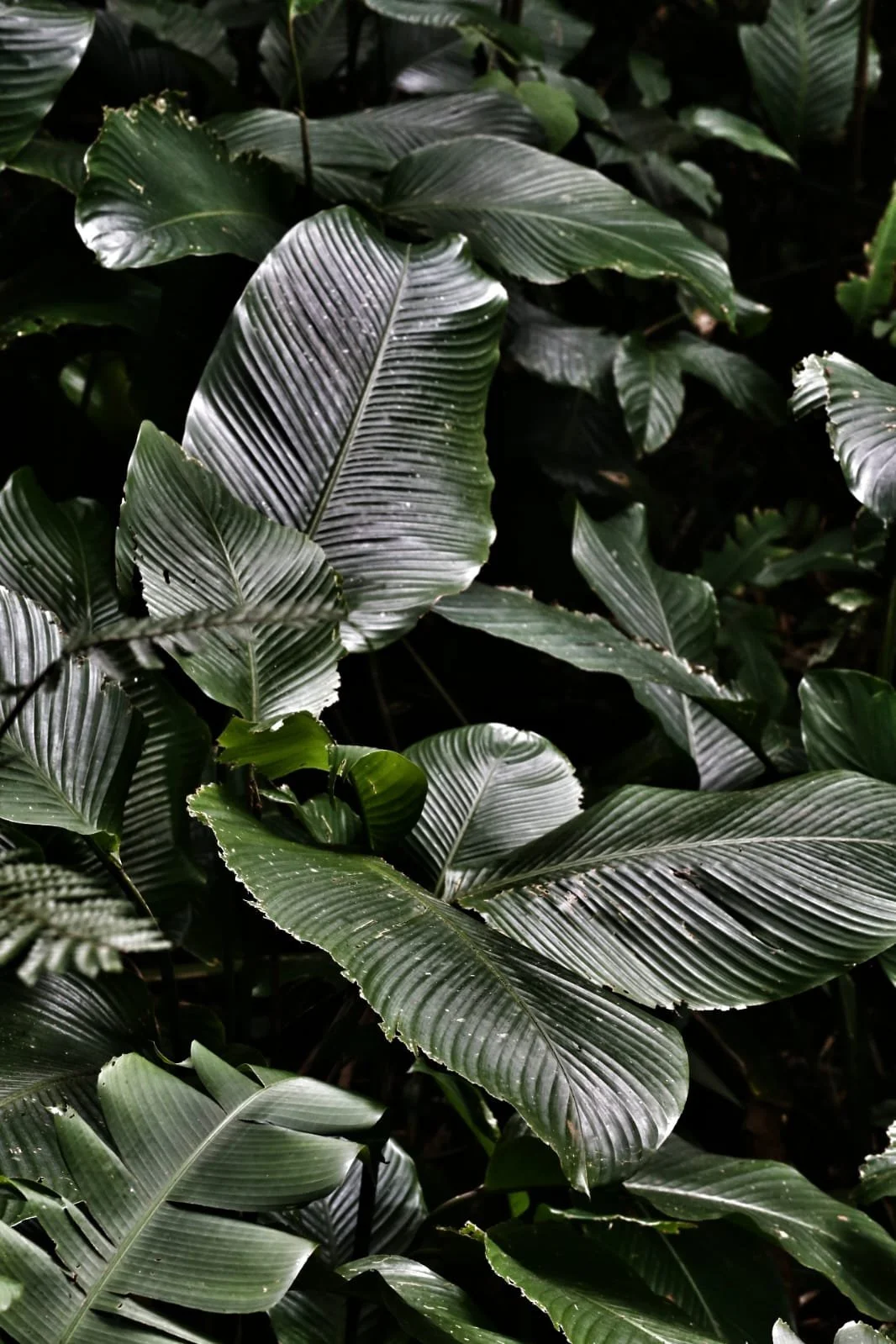
What makes the Mariato region so visually striking is the collision between rainforest and Pacific coastline. Mountains covered in dense green vegetation rise behind beaches and small villages. Rivers cut through jungle valleys before emptying into the sea.
During the rainy season, the region becomes intensely green.
Heavy tropical storms roll in from the Pacific, soaking forests and transforming the landscape into a world of mist, mud, overflowing rivers, and roaring vegetation. Roads can become difficult. Streams swell rapidly. Clouds cling to the hillsides.
For some travelers, these conditions feel inconvenient.
For others, they are exactly what make Mariato fascinating.
This is not sanitized tropical tourism. Nature still dominates here.
One moment the ocean may appear calm and glowing beneath orange sunset light. Hours later, lightning storms crash over the coast while rain hammers rooftops through the night.
Isolation as Part of the Experience
Perhaps the defining characteristic of Torio and Mariato is the feeling of being disconnected.
There are fewer restaurants, fewer tourists, fewer schedules, and fewer distractions. Many accommodations focus heavily on nature, surfing, fishing, or simple relaxation rather than entertainment.
That changes the psychology of travel itself.
People begin waking with the sunrise because there is little reason not to. Afternoons revolve around swimming, reading, fishing, exploring, or simply watching storms move across the Pacific. Nights become quiet except for jungle sounds and crashing surf.
In many ways, Mariato represents a version of Panama that is disappearing elsewhere.
There are still stretches of coastline where development remains minimal. There are still villages where tourism feels secondary to local life. There are still beaches where you may walk for long periods without seeing another person.
That sense of emptiness can feel shocking to travelers accustomed to crowded destinations.
Fishing and the Ocean Culture
The Pacific Ocean shapes life throughout Mariato.
Fishing remains central to the local culture and economy. Small boats launch from beaches while fishermen work waters rich with marine life. The surrounding Pacific is known for tuna, snapper, roosterfish, and other species that attract sport fishermen from around the world.
Seafood here often feels incredibly fresh because it genuinely is. Fish caught the same morning may appear on dinner plates that evening.
This connection between community and ocean gives the region authenticity many travelers crave. Life here still depends heavily on tides, weather, and the sea itself.
Sunsets and the Feeling of the Pacific
The sunsets along this coast deserve special mention.
Because the beaches face west over the Pacific Ocean, evenings often become spectacular. The sky explodes into orange, red, purple, and gold while offshore islands and rocky formations turn into dark silhouettes against the horizon.
Unlike crowded tourist beaches elsewhere, these sunsets often unfold in near silence.
A few fishermen may stand near boats. A handful of surfers may emerge from the water. Palm trees move in the evening wind while waves continue rolling onto shore beneath fading light.
The atmosphere feels almost meditative.
Why Travelers Fall in Love With Mariato
Mariato and Torio are not destinations for everyone.
Travelers seeking luxury shopping, nightlife, perfect infrastructure, and constant entertainment may find the region too quiet or remote. The roads are long. Rain can be intense. Internet may be unreliable. The Pacific beaches are powerful and rugged rather than calm and manicured.
But for certain travelers, these exact qualities become irresistible.
Mariato offers something increasingly rare in the modern world: space. Space to think, to disconnect, to hear nature again, to experience a coastline that still feels larger than human development.
There is also something deeply satisfying about reaching a place that feels genuinely remote. When you finally arrive in Torio after hours of travel through the peninsula, the isolation itself becomes part of the reward.
You realize you are standing at one of the quieter edges of Panama, where jungle hills meet the Pacific and tourism still whispers rather than shouts.
And in a world where so many destinations have become overcrowded and overexposed, that silence can feel extraordinary.