
There are still places in Panama that feel wonderfully undiscovered. Places where roads become quieter, beaches stretch for miles without crowds, sunsets seem impossibly large, and the rhythm of life slows down so much that even time itself feels different. Mariato is one of those places.
Located on the remote Pacific coast of the province of Veraguas, Mariato is one of the least explored yet most fascinating regions in the country. It is a land of rugged coastline, fishing villages, jungle covered hills, endless beaches, sea turtles, powerful surf, and dramatic sunsets that paint the entire horizon orange and purple every evening. Unlike more famous destinations in Panama, Mariato has managed to preserve a sense of authenticity that is becoming increasingly rare in modern tourism.
Traveling to Mariato does not feel like arriving at a polished tourist resort. It feels like entering another version of Panama entirely. The roads become smaller, the towns more relaxed, and nature begins to dominate everything around you. Cows graze beside palm trees, fishermen repair nets near the shoreline, scarlet sunsets fall into the Pacific Ocean, and the soundtrack becomes waves, birds, insects, and wind instead of traffic and construction.
One of the things that makes Mariato so special is its isolation. For many years, the region remained relatively difficult to access, which unintentionally protected it from mass tourism and large scale development. Even today, despite improving roads and growing interest from travelers, Mariato still feels refreshingly untouched compared to many coastal destinations around the world.
Mariato sits along what many people call the “Sunset Coast” of Panama because it is one of the rare places in the country where you can watch the sun sink directly into the Pacific Ocean. The sunsets here are legendary. Every evening the coastline transforms into a giant panoramic painting as the sky explodes with red, pink, gold, and deep violet colors reflected across the water. It is the kind of sunset that makes people stop talking entirely.
The beaches are one of Mariato’s greatest treasures. The district is home to a huge collection of coastal landscapes, each with its own personality. Beaches such as Playa Reina, Playa Malena, Playa Torio, Morrillo, and Mata Oscura have become increasingly known among surfers, backpackers, nature lovers, and Panamanians looking to escape crowded destinations.
Some beaches are long and wide with soft sand and calm scenery perfect for walking and relaxing. Others are wild and powerful, with crashing surf and rocky points that attract experienced surfers searching for uncrowded waves. Playa Morrillo in particular has quietly developed a reputation among surfers for its strong Pacific swells and raw beauty. Unlike heavily commercialized surf towns elsewhere in the world, the surf culture here still feels natural and low key.
The ocean defines life in Mariato. Fishing remains deeply connected to the identity of many local communities. Small fishing boats head out at dawn while pelicans dive dramatically into the water searching for fish. Seafood is central to the local cuisine, and many visitors quickly notice how fresh everything tastes. Life near the coast moves according to tides, weather, seasons, and the rhythms of the sea itself.
Wildlife is another reason Mariato feels so magical. The region sits near incredibly important ecosystems including mangroves, wetlands, forests, and marine habitats that support enormous biodiversity. The nearby Gulf of Montijo is internationally recognized as a vital wetland ecosystem and an important refuge for marine species and migratory wildlife.
Sea turtles are especially important in the region. Several beaches around Mariato serve as nesting sites for endangered sea turtles, and local conservation projects have become a source of pride for many communities. During nesting season, visitors may witness female turtles emerging from the ocean at night to lay eggs in the sand, followed later by tiny hatchlings making their dangerous journey back toward the sea. Community based conservation programs have helped protect nests and educate both locals and visitors about the importance of preserving these fragile species.
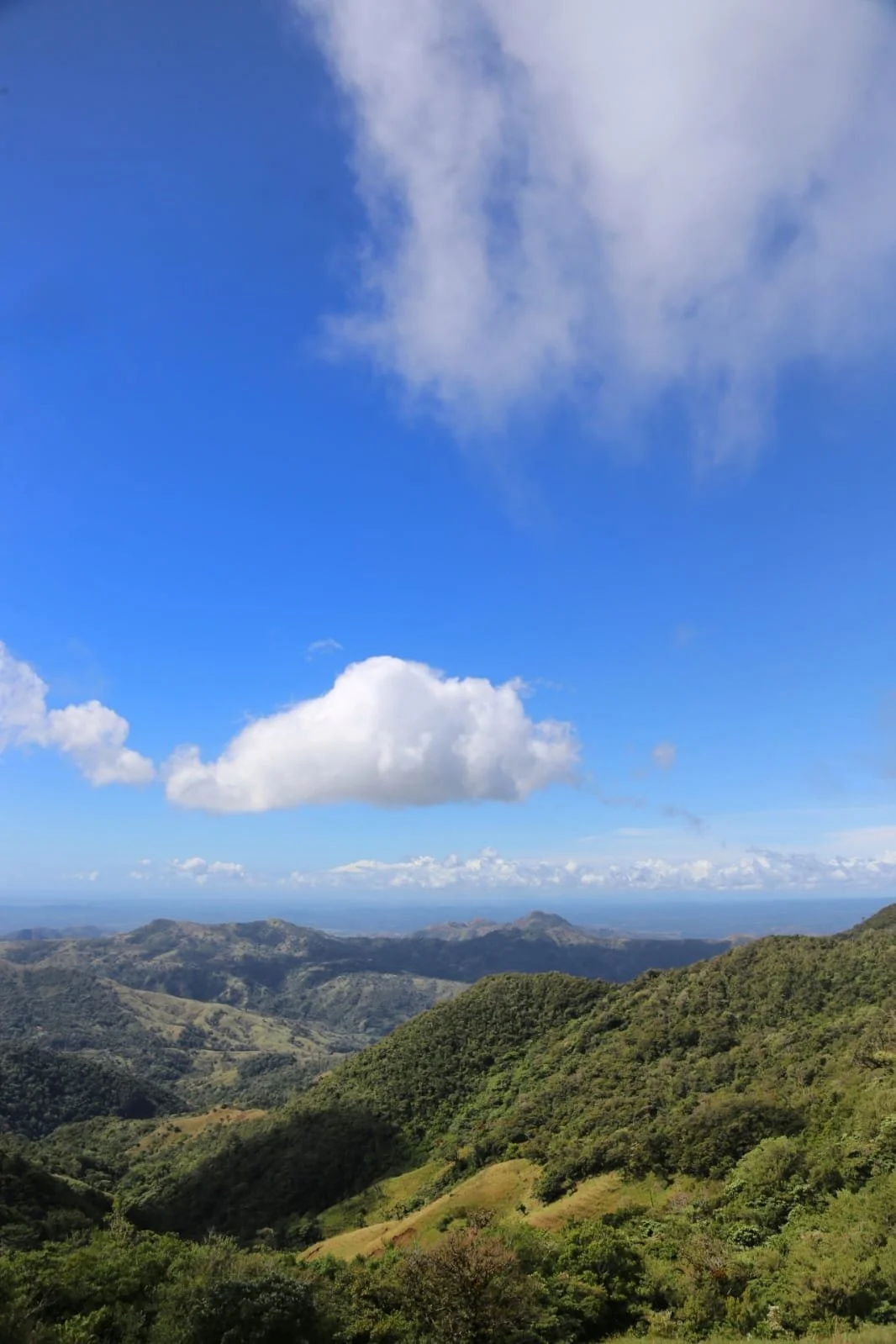
The landscapes around Mariato are surprisingly diverse. Beyond the beaches lie rivers, rolling hills, forests, mangroves, and remote mountain areas connected to the legendary Cerro Hoya National Park. This national park protects one of the oldest mountain formations in Panama and contains some of the last remaining untouched rainforest in the Azuero region. Jaguars, pumas, macaws, and many endemic species still survive there, hidden within forests that remain difficult to access even today.
The remoteness of Cerro Hoya adds to its mystique. It feels like a forgotten corner of the country where nature still dominates completely. Scientists continue discovering rare species in the area, and conservationists consider it one of Panama’s most ecologically important regions. For adventurous travelers, the idea that such wilderness still exists relatively unnoticed is incredibly exciting.
One of the most fascinating communities in the Mariato district is Torio. Once a tiny fishing settlement connected mainly by trails, Torio has slowly evolved into a small but growing destination for people seeking a quieter and more sustainable lifestyle. The area has attracted a mix of locals, expatriates, surfers, artists, remote workers, and nature lovers who appreciate its peaceful atmosphere and extraordinary scenery.
Despite gradual tourism growth, Mariato still feels wonderfully slow. This is not a destination built around nightlife, giant hotels, cruise ships, or shopping malls. The appeal lies in simplicity. Days are often spent surfing, swimming, fishing, hiking, watching birds, exploring rivers, or simply sitting by the ocean doing absolutely nothing. In many ways, Mariato represents the opposite of modern hyper connected tourism. It encourages people to slow down instead of rushing from attraction to attraction.
This slower atmosphere has become increasingly attractive in a world where many travelers feel exhausted by overcrowded destinations and nonstop stimulation. People come to Mariato to disconnect from stress and reconnect with nature. There is a feeling here that life does not need to be overly complicated.
At the same time, the region stands at an interesting crossroads. Tourism is growing steadily, and local authorities have begun investing more in infrastructure and visitor facilities. Roads have improved, small hotels and eco lodges are appearing, and the area is gaining recognition both nationally and internationally as an emerging tourism destination.
This growth creates both opportunity and concern. Many locals hope tourism will bring jobs, investment, and economic development while preserving the natural beauty that makes Mariato special in the first place. Others worry about overdevelopment, environmental damage, and the loss of local identity. These tensions are common in many beautiful places around the world, but in Mariato the conversation still feels very current because the region remains relatively undeveloped compared to Panama’s more famous destinations.
Environmental preservation is especially important here because the ecosystems are so fragile and valuable. Mangroves protect marine life, forests regulate water systems, and beaches support turtle nesting cycles. Local conservation efforts increasingly emphasize sustainable tourism rather than mass tourism. The hope is that Mariato can grow economically without losing the raw beauty and tranquility that define it.
For travelers, part of Mariato’s charm is precisely that it still feels a little difficult to reach and slightly disconnected from the rest of the world. Getting there becomes part of the adventure. The journey through rural Panama reveals landscapes and communities many tourists never experience. As you travel farther south toward the Pacific coast, the country gradually changes character. The traffic disappears, forests thicken, villages become quieter, and eventually the ocean appears stretching endlessly toward the horizon.
Mariato is not the kind of place that overwhelms visitors with attractions every minute. Instead, it slowly gets under your skin. It is the sound of waves at night, the sight of fishermen returning at sunset, the empty beaches that seem to belong entirely to you, the jungle meeting the sea, and the feeling that you have stumbled into a side of Panama that still remains beautifully wild.
For many people, that feeling becomes unforgettable.