
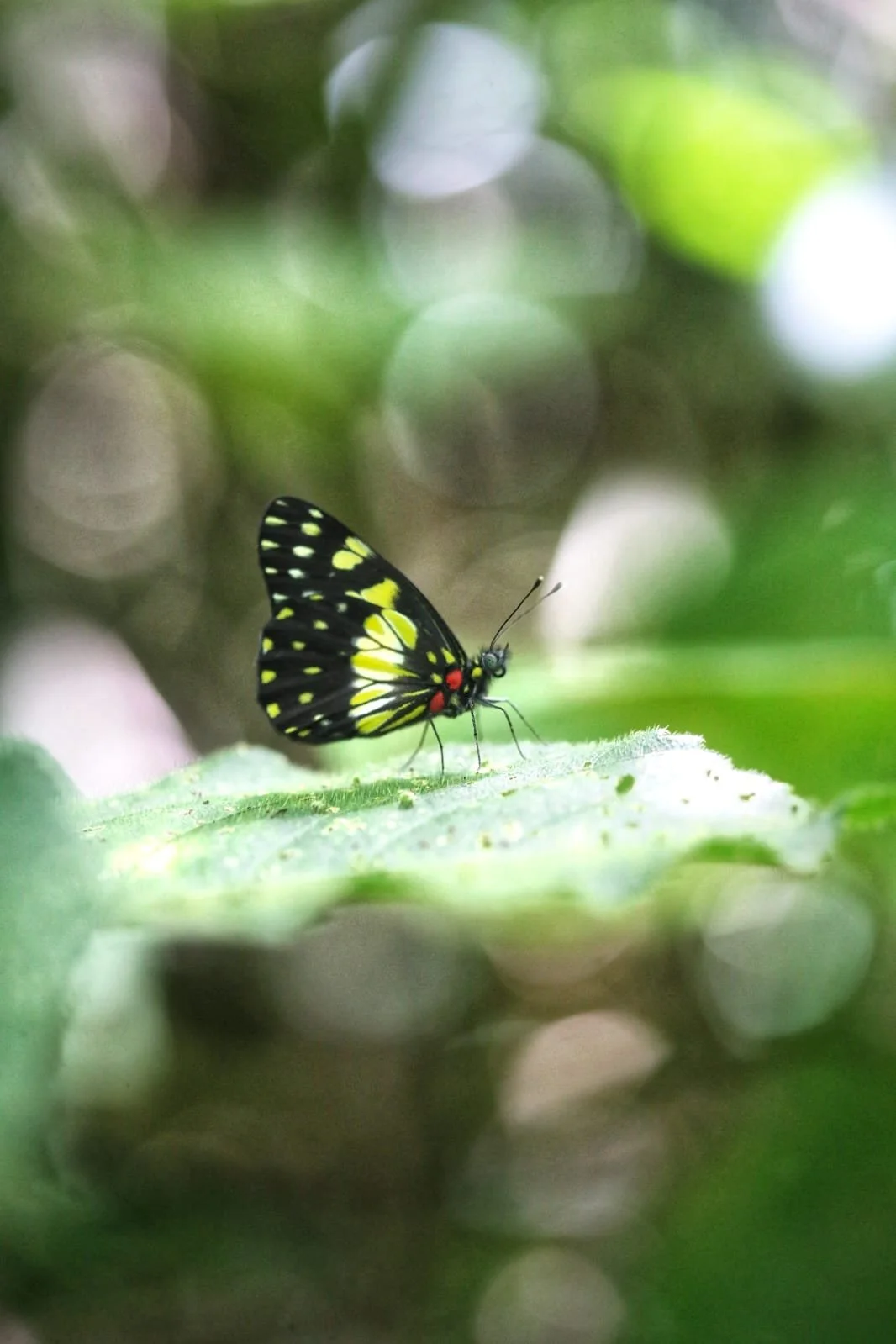
At first glance, Panama can feel impossibly alive.
Rainforests pulse with insects. Scarlet macaws cross jungle skies. Sloths sleep above roads. Frogs call from streams after tropical storms. Coral reefs shimmer offshore while whales migrate through warm Pacific waters. The country contains one of the richest collections of biodiversity in the Americas despite being relatively small.
But hidden beneath all that life is another reality.
Some of Panama’s most extraordinary animals are disappearing.
Quietly, species that evolved over millions of years are fighting for survival against habitat destruction, climate change, disease, pollution, hunting, and human expansion. In some forests, animals that once seemed common have become rare. In others, species vanished so quickly that scientists barely understood them before they disappeared.
Panama sits at one of the great biological crossroads on Earth. The narrow isthmus connects North and South America, allowing species from both continents to mix. Mountains, cloud forests, mangroves, islands, coral reefs, rivers, wetlands, and rainforests created countless isolated habitats where unique animals evolved separately over immense stretches of time.
That incredible biodiversity makes Panama globally important for conservation.
And it also means the country has much to lose.
The Panamanian Golden Frog: The Lost Symbol of a Nation
No endangered animal in Panama carries more emotional weight than the legendary Panamanian golden frog.
Bright yellow or golden orange with dark markings, this tiny amphibian became a national symbol representing luck, beauty, and the uniqueness of Panama itself. For generations, stories and folklore surrounded the frog. Some Panamanians believed seeing one brought good fortune.
Then suddenly, they began disappearing.
The main culprit was chytrid fungus, one of the most devastating wildlife diseases ever recorded. This microscopic fungal infection spread through amphibian populations across Central and South America with catastrophic speed. Entire frog communities collapsed.
The Panamanian golden frog was hit especially hard.
By the early 2000s, wild populations crashed dramatically. Scientists raced desperately into forests to rescue surviving frogs before extinction occurred. Some individuals were brought into conservation breeding programs as emergency “assurance colonies.”
Today, the golden frog survives mainly in captivity.
That reality feels heartbreaking in Panama because the species became more than just an animal. It became part of national identity. Images of the frog appear on souvenirs, artwork, murals, and conservation campaigns throughout the country.
And yet in the wild, hearing one call naturally beside a rainforest stream has become almost impossible.
The silence left behind by disappearing frogs is one of the most haunting conservation stories in Panama.
The Harpy Eagle: King of the Rainforest
Towering above Panama’s forests flies one of the most powerful birds on Earth: the Harpy eagle.
This enormous raptor is Panama’s national bird and one of the largest eagles in the world. Females can possess talons larger than grizzly bear claws. Their legs are thick with muscle powerful enough to snatch monkeys and sloths directly from rainforest canopies.
Harpy eagles look almost prehistoric. Their huge crest feathers, piercing eyes, and massive wings give them an intimidating presence unlike any other bird in the Americas.
But despite their power, harpy eagles are vulnerable.
These birds require enormous territories of mature rainforest to survive. Deforestation fragments habitat and reduces prey populations. Logging roads also make remote forests more accessible to hunters.
Harpy eagles reproduce slowly, often raising only one chick every few years. This means populations recover very slowly once damaged.
In many areas of Central America, harpy eagles disappeared entirely. Panama remains one of their last major strongholds.
Remote forests in regions like Darién National Park and Soberanía National Park still shelter them, but sightings remain rare and unforgettable.
To glimpse a harpy eagle soaring over rainforest canopy is like seeing the ancient spirit of the jungle itself.
Sea Turtles: Ancient Mariners in Trouble
Panama’s coastlines host several endangered sea turtle species including the Hawksbill sea turtle, Leatherback sea turtle, and Green sea turtle.
These creatures survived since the age of dinosaurs. Leatherbacks in particular look astonishingly ancient, with giant dark bodies built for crossing entire oceans.
Yet modern humanity nearly pushed some populations toward collapse.
Turtles face threats from nearly every direction. Fishing nets accidentally drown them. Plastic pollution clogs oceans. Coastal development destroys nesting beaches. Eggs are stolen. Artificial lights confuse hatchlings trying to reach the sea.
Climate change adds another danger because turtle sex depends partly on sand temperature during egg incubation. Hotter beaches may disrupt population balance over time.
Despite these threats, Panama remains critically important for turtle conservation. Remote beaches still host nesting females dragging themselves ashore beneath moonlight to bury eggs in warm sand.
Watching hundreds of baby turtles scramble toward the ocean is one of nature’s great spectacles.
And it has become increasingly fragile.
The Jaguar: Ghost of the Jungle
The Jaguar still survives in Panama, but its future remains uncertain.
As the largest cat in the Americas, jaguars once roamed from the southwestern United States deep into South America. Today much of that range has fragmented due to agriculture, roads, ranching, and deforestation.
Panama plays a crucial role because it forms part of the biological corridor connecting jaguar populations between continents.
Jaguars in Panama inhabit dense forests where they remain incredibly elusive. Most people never see one in the wild. Camera trap photographs capture ghostly nighttime images of spotted bodies moving silently through jungle darkness.
They are apex predators, controlling ecosystems by regulating prey populations.
But jaguars need large connected territories. Roads, ranches, mining, and expanding human activity isolate populations. Conflict with livestock owners also leads to retaliatory killings when jaguars attack cattle.
Protecting jaguars means protecting huge areas of forest.
In Panama, that connects directly to preserving places like Darién and La Amistad, some of the last major wilderness regions in Central America.
Baird’s Tapir: The Forest Gardener
One of the strangest endangered mammals in Panama is the Baird's tapir.
Tapirs look almost like creatures assembled from leftover animal parts. They possess pig like snouts, thick bodies, and surprisingly agile movement through dense forest. Despite their odd appearance, tapirs are ancient animals whose lineage stretches back millions of years.
They are also essential rainforest gardeners.
Tapirs spread seeds across forests through their feeding habits, helping regenerate vegetation. Many tropical plants depend on large mammals like tapirs for dispersal.
Unfortunately, tapirs reproduce slowly and require large undisturbed habitats. Hunting and habitat fragmentation devastated populations across Central America.
Today, seeing a wild tapir in Panama remains rare and special.
In muddy rainforest regions, their footprints sometimes appear beside rivers or jungle trails like signs from another era.
The Spectacled Caiman and Crocodiles
Panama’s rivers, wetlands, and mangroves still contain ancient reptiles including crocodiles and caimans.
The American crocodile in particular faces pressure from habitat destruction and human conflict. Coastal development reduces nesting areas while pollution affects wetland ecosystems.
Crocodiles once dominated waterways across tropical America much more extensively than today.
In Panama, crocodiles survive in rivers, estuaries, lakes, and mangroves, especially near less developed coastal regions.
People often fear crocodiles, but ecologically they are vital predators maintaining healthy aquatic systems.
Endangered Frogs Beyond the Golden Frog
Panama’s amphibian crisis extends far beyond the golden frog.
Glass frogs, rocket frogs, rain frogs, poison dart frogs, and countless lesser known amphibians suffered severe declines from chytrid fungus and habitat loss.
Some species disappeared before scientists fully studied them.
This is one of the saddest aspects of tropical biodiversity loss. Entire evolutionary histories may vanish almost silently.
Panama’s cloud forests especially became ground zero for amphibian collapses.
Streams once filled with frog calls fell eerily quiet.
Scientists described returning to forests where vibrant amphibian communities existed only years earlier and finding almost nothing alive.
The Scarlet Macaw and Great Green Macaw
Large tropical parrots once filled Panama’s skies more commonly than today.
The Scarlet macaw and Great green macaw both suffered from habitat loss and illegal wildlife trade.
Macaws are highly intelligent, social birds capable of living decades. Their brilliant feathers made them targets for pet trafficking while logging destroyed nesting trees.
Conservation efforts helped some populations recover locally, but many areas where macaws once thrived remain silent today.
The absence of large parrots changes the emotional atmosphere of forests. Tropical jungles without macaw screams feel strangely incomplete.
Why Panama Matters So Much
Panama’s importance extends far beyond its borders.
Because the country forms a biological bridge between continents, protecting Panama helps maintain migration corridors and genetic connectivity for countless species throughout the Americas.
The forests also influence climate, freshwater systems, and even operation of the Panama Canal itself.
Without healthy forests capturing rainfall, the canal would struggle because every ship crossing depends on freshwater from surrounding watersheds.
This creates an extraordinary reality where global shipping partially depends on rainforest conservation.
Hope in Conservation
Despite the alarming threats, Panama also became a leader in tropical conservation.
Protected areas cover large portions of the country. Researchers monitor wildlife with camera traps and field studies. Captive breeding programs preserve endangered amphibians. Indigenous territories protect enormous forest regions. Ecotourism creates economic incentives for preservation.
Places like Coiba National Park, La Amistad International Park, and Darién still contain breathtaking biodiversity.
And nature can recover surprisingly when given protection.
Sea turtles return to safer beaches. Harpy eagle conservation programs raise chicks for reintroduction. Forest corridors reconnect fragmented habitats.
The battle is far from over, but Panama still holds extraordinary potential because so much wilderness survives compared to many countries.
The Fragile Future of the Wild Isthmus
Perhaps the most fascinating thing about Panama’s endangered animals is how interconnected they all are.
Protecting frogs means protecting clean streams and forests.
Protecting jaguars means preserving massive wilderness corridors.
Protecting sea turtles means preserving beaches and oceans.
Protecting harpy eagles means saving ancient rainforest canopy.
Every species becomes part of a larger ecological story.
And in Panama, those stories still feel alive.
At night in the rainforest, frogs still call beside streams. Harpy eagles still perch high above jungle valleys. Jaguars still leave tracks in muddy riverbanks. Sea turtles still emerge from the surf under moonlight.
But their survival is no longer guaranteed.
The future of some of the most extraordinary creatures in the Americas may depend on whether Panama can continue balancing development, global commerce, and conservation in one of the biologically richest corners of the planet.