
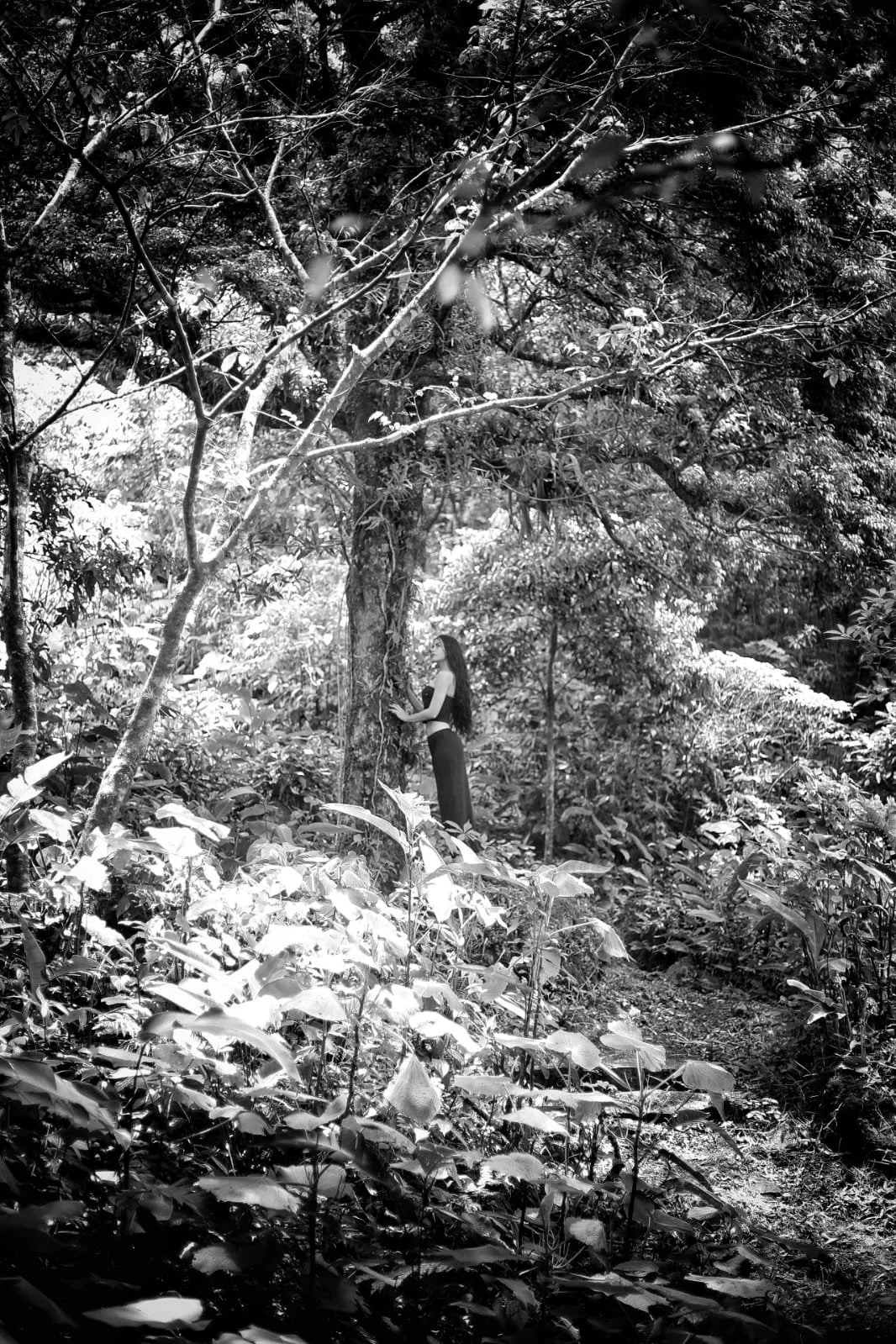
Deep in the cloud forests of the mountains near the border of Panama and Costa Rica, stories still linger about a bear.
Not a jaguar. Not a tapir. Not a monkey hidden in the mist.
A bear.
For many people, the idea sounds impossible. Bears belong to Alaska, Canada, Yellowstone, or the Andes. They are creatures of snowy mountains, pine forests, or South American highlands. Panama, meanwhile, is imagined as tropical jungle filled with sloths, toucans, poison dart frogs, and parrots.
Yet scattered through old reports, local legends, scientific debates, and Indigenous stories is the strange possibility that the spectacled bear — South America’s only native bear species — may once have wandered the high mountains of Panama.
And perhaps, according to some believers, it still might.
The spectacled bear, scientifically known as Tremarctos ornatus, is one of the most unusual bears in the world. Unlike the massive brown bears of North America, spectacled bears are generally shy, forest dwelling animals adapted to cloud forests and mountain ecosystems along the Andes. They range primarily through countries like Colombia, Ecuador, Peru, and Bolivia.
Their name comes from the pale markings many individuals possess around the eyes, giving the appearance of spectacles or glasses.
These bears are fascinating creatures. They climb trees with surprising agility, feed heavily on fruits and vegetation, and spend much of their lives hidden within remote mountain forests. Compared to many other bear species, spectacled bears are relatively elusive and non aggressive toward humans. In dense cloud forest terrain, an animal can remain astonishingly difficult to study.
And that mystery is exactly where Panama enters the story.
The Southern Mountains of Panama
Most of Panama lies low and tropical, but western Panama rises dramatically into cool volcanic highlands and cloud forests. Near the province of Chiriquí, mountains covered in mist stretch toward Costa Rica. Areas surrounding La Amistad International Park contain some of the wildest and least explored terrain in Central America.
These forests feel ancient.
Moss drips from branches. Giant tree ferns crowd steep slopes. Orchids cling to trunks. Clouds roll constantly through the canopy. Temperatures drop sharply compared to the lowlands. Quetzals flash through the mist while rivers cut deep valleys through untouched mountains.
Biologically, these mountains connect directly to the cloud forests of Costa Rica and farther south into the Andes through ancient ecological relationships. Many species found in Panama’s highlands have close relatives farther south in South America.
This geographical continuity led some scientists and naturalists to wonder long ago whether spectacled bears might once have ranged farther north than currently believed.
Old Stories and Sightings
Historical reports about bears in Panama are rare, vague, and controversial, but they exist.
Indigenous communities and rural mountain inhabitants occasionally described large dark animals inhabiting remote forests. Some stories referred to creatures climbing trees, feeding on vegetation, or moving heavily through cloud forests in ways that sounded bear like.
Early explorers and naturalists occasionally mentioned rumours of bears in the region, though solid scientific evidence remained elusive.
Part of the difficulty is that Panama’s remote mountains were extraordinarily difficult to explore historically. Dense rainforest, steep terrain, heavy rainfall, and isolation limited biological surveys for centuries. Entire valleys remained poorly studied well into modern times.
Even today, sections of the Panama Costa Rica borderlands remain rugged and difficult to access.
Some researchers proposed that spectacled bears might have expanded northward during cooler climatic periods thousands of years ago when mountain habitats connected differently across Central and South America. During ice ages and climatic shifts, animal ranges often changed dramatically.
If spectacled bears once reached Panama, they may later have disappeared due to climate changes, hunting, habitat fragmentation, or shrinking suitable habitat.
Others remain skeptical and argue there has never been sufficient evidence proving the species truly existed in Panama at all.
And that uncertainty only deepens the mystery.
The Bear That Should Almost Exist
What makes the Panama spectacled bear story so compelling is that ecologically, it almost makes sense.
The cloud forests of western Panama resemble habitats where spectacled bears thrive farther south. These forests contain fruiting trees, bromeliads, dense vegetation, and cool mountainous conditions similar to Andean environments.
La Amistad International Park especially feels like the sort of place where a hidden bear could theoretically survive. The park protects massive tracts of remote mountain wilderness shared between Panama and Costa Rica. Jaguars, pumas, tapirs, monkeys, and countless rare species inhabit the region.
In places like this, nature still feels large and secretive.
The spectacled bear also behaves differently from the stereotypical image many people have of bears. These are not giant roaring predators dominating landscapes openly. Spectacled bears are often solitary, quiet, and surprisingly elusive. They spend time in trees, move through thick vegetation, and frequently avoid humans.
In remote terrain with limited scientific monitoring, a tiny surviving population could theoretically remain difficult to detect.
That possibility continues fueling fascination with the story.
The Spectacled Bear Itself
Even outside the Panama mystery, spectacled bears are extraordinary animals.
They are the only surviving bear species native to South America and the last living members of the short faced bear lineage. Adults usually possess shaggy dark fur ranging from black to brown, often with pale cream or golden facial markings unique to each individual.
Some bears have dramatic “spectacles” around the eyes while others display lighter markings on the chest or muzzle.
Unlike polar bears or grizzlies, spectacled bears eat large amounts of plant material. Fruits, bromeliads, cactus, palm hearts, and vegetation make up much of their diet, though they are technically omnivores and sometimes consume meat.
They are also excellent climbers.
Researchers have observed spectacled bears building feeding platforms high in trees where they rest while eating fruits or vegetation. This semi arboreal behaviour helps separate them from many other bear species.
Their shy nature contributes to their almost mythical reputation. In dense Andean cloud forests, local people may rarely glimpse them directly despite living nearby for years.
Cloud Forests and Mythology
Cloud forests naturally encourage mystery.
Fog hides movement. Sounds echo strangely. Visibility changes constantly as mist drifts through trees. Animals appear briefly then vanish again into vegetation. Even experienced hikers can feel disoriented within dense mountain forest.
In Panama’s highlands, stories about strange creatures have circulated for generations partly because the environment itself feels mysterious.
The possibility of a hidden bear fits perfectly into this atmosphere.
For local communities, tales of unusual mountain animals blend with folklore, oral history, and fragmented sightings. In isolated areas, people historically depended heavily on storytelling to pass down knowledge about dangerous places, wildlife, and unexplained encounters.
Some stories likely became exaggerated over time. Others may have originated from misidentified animals such as large monkeys, dark coloured tapirs, or even people glimpsing shadows in poor visibility.
But not all wildlife legends turn out false.
Throughout history, scientists dismissed many local animal stories before eventually discovering the creatures were real. Giant squids, okapis, mountain gorillas, and numerous rainforest species all existed in local knowledge long before mainstream science documented them fully.
That history keeps the Panama spectacled bear mystery alive in some people’s minds.
The Modern Reality
Today, there is no confirmed scientific evidence proving spectacled bears currently exist in Panama.
No verified photographs. No DNA samples. No bodies. No indisputable tracks conclusively tied to the species.
Modern wildlife camera traps operating in western Panama have captured jaguars, pumas, ocelots, tapirs, and many other elusive animals, but not spectacled bears.
Most scientists therefore believe the species does not currently inhabit Panama.
However, some researchers remain open to the possibility that spectacled bears may once have ranged into the region historically, especially during different climatic periods. Fossil evidence and ancient distribution patterns throughout the Americas remain incomplete in many tropical areas.
The truth may ultimately lie somewhere between mythology and extinction.
Perhaps spectacled bears once wandered Panama’s cloud forests long ago before disappearing centuries earlier. Or perhaps stories about them emerged from confusion, folklore, and ecological imagination rather than reality.
Either way, the idea itself reveals something important about Panama.
Panama Still Feels Wild Enough for Legends
One reason people continue loving the spectacled bear story is because Panama still contains landscapes where such mysteries feel believable.
In many parts of the modern world, wilderness feels fully mapped, monitored, and explained. But Panama’s remote forests still contain an atmosphere of discovery. New frog species continue being identified. Rare animals appear unexpectedly on camera traps. Deep forests remain difficult to access.
The country still feels biologically alive in ways many heavily industrialized places no longer do.
Standing in the cloud forests near the Costa Rican border, surrounded by mist and dripping moss while unseen animals move through dense vegetation, it becomes easier to understand why people imagine hidden bears living there.
The environment invites mystery.
The Symbolism of the Lost Bear
In a strange way, the spectacled bear has become symbolic even without confirmed existence in Panama.
The story represents the country’s wildness, biodiversity, and connection to the larger ecological systems of the Americas. It reflects the idea that Panama is not merely a narrow canal zone or tropical beach destination, but part of a vast biological bridge linking continents and ecosystems together.
The bear also symbolizes how much humans still do not fully know about tropical environments.
Rainforests and cloud forests constantly humble science. Species vanish before discovery. Others survive unnoticed for astonishing lengths of time. Ecosystems reveal new complexities every year.
And perhaps most importantly, the story reminds people that mystery still exists.
In Panama’s mountain forests, clouds still roll through ancient trees while rivers disappear into valleys few outsiders ever visit. Somewhere in those forests, quetzals glide through mist and jaguars move silently beneath the canopy.
And whether or not a spectacled bear ever truly wandered there, the mountains still feel like the kind of place where one could.