
There are beach towns that feel polished, organized, and carefully designed for tourism. Places where the roads are smooth, cafés open exactly on schedule, surf shops look curated for Instagram, and every sunset somehow arrives with perfect background music and cocktail specials.
Santa Catalina is not really that kind of place.
And that is exactly why so many people become obsessed with it.
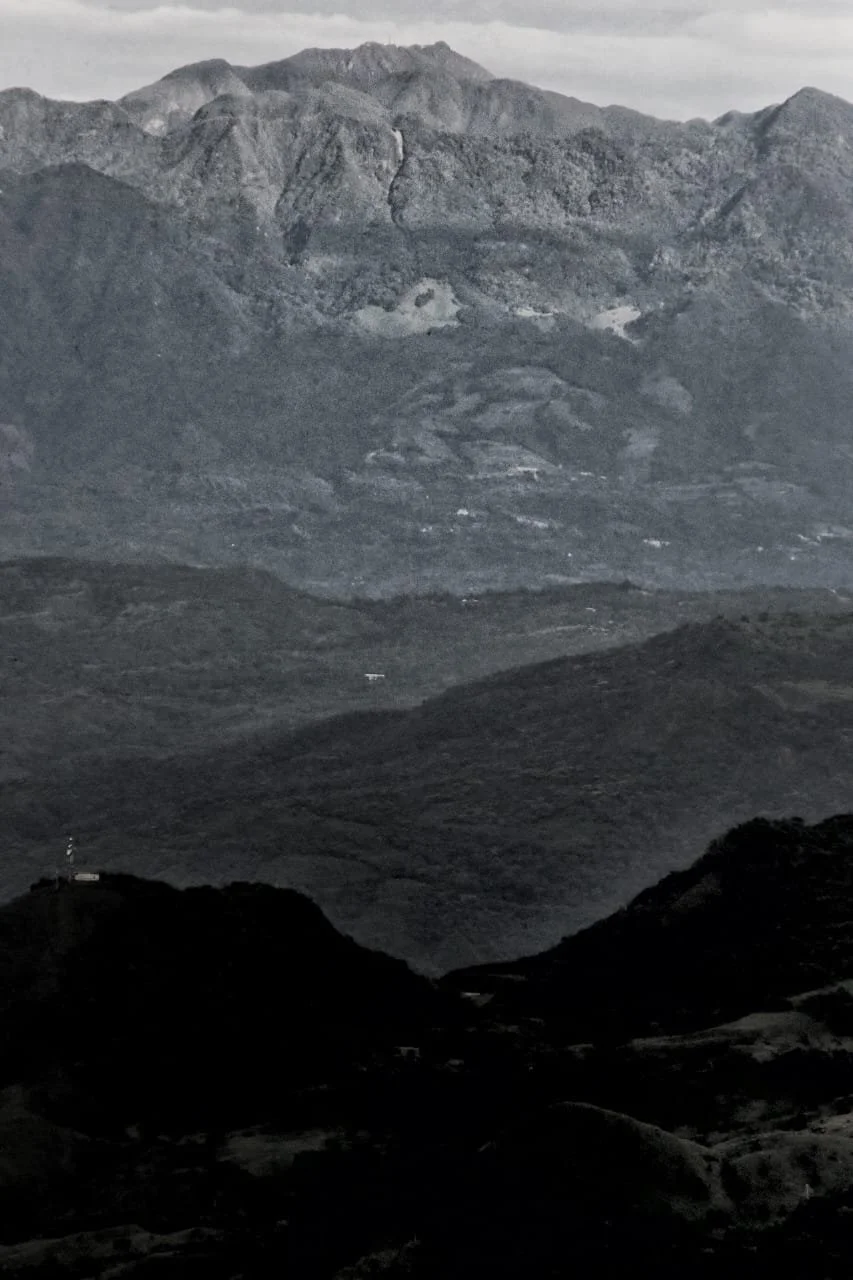
Santa Catalina sits on Panama’s remote Pacific coast, several hours from Panama City, surrounded by jungle hills, rough coastline, fishing boats, surf breaks, and the enormous Pacific Ocean. It began as a quiet fishing village long before surfers and travelers discovered it. Even now, despite growing international attention, the town still feels strangely disconnected from modern urban life.
Roads remain dusty. Electricity occasionally flickers during storms. Dogs nap in the middle of the street. Humidity hangs heavily in the air. The jungle feels close. The ocean dominates everything.
And after a few days there, many travelers notice something unusual happening to their sense of time.
Life begins slowing down.
A typical day in Santa Catalina often begins before sunrise, especially for surfers, fishermen, and dive operators.
The town wakes early because the ocean determines daily life. Boats leave according to tides and weather, not convenience. Surf conditions change throughout the day. Heat becomes intense by late morning. Even travelers who normally sleep late often find themselves waking naturally with the first sounds of birds, roosters, distant boat engines, and waves moving against the rocky coastline.
The mornings in Santa Catalina have a special atmosphere that many travelers remember for years afterward.
The air feels cooler and softer before the tropical heat arrives. The sky often glows pale pink and orange above the Pacific while fishing boats begin moving offshore. Dogs wander quietly through the streets. Palm trees barely move in the humid stillness.
Some mornings feel almost eerily peaceful.
Surfers are usually among the first people awake. Santa Catalina became internationally known because of its powerful surf breaks, especially the famous wave known simply as “La Punta.” Experienced surfers from around the world come specifically for these waves, especially during larger swell seasons.
Early morning surf sessions often become the emotional center of the day.
Surfers walk dusty roads carrying boards beneath palm trees while checking the tide and swell conditions constantly. Depending on the season, the waves can range from beautiful rolling surf to heavy, intimidating walls of Pacific power.
The surf culture in Santa Catalina feels serious but not overly commercialized. Compared to some larger surf destinations in Costa Rica or Mexico, there is still a roughness and authenticity to the scene.
People come primarily for the ocean itself.
Not for beach clubs.
Not for luxury branding.
Not for influencer culture.
Just the surf.
Meanwhile, dive boats begin preparing for trips to Coiba National Park, one of the most biologically extraordinary marine areas in the Americas.
For divers, Coiba is one of the great treasures of Panama. Hammerhead sharks, sea turtles, rays, giant schools of fish, whales during migration season, dolphins, and coral systems attract divers from around the world.
Dive days begin early because reaching Coiba often involves significant boat travel across open Pacific water.
The docks and waterfront area gradually become active as captains load fuel, gear, coolers, tanks, and supplies onto boats while travelers gather sleepily with coffee in hand.
One fascinating thing about Santa Catalina mornings is how international the town can suddenly feel despite its small size.
At breakfast tables you might hear:
Spanish
English
French
German
Portuguese
Hebrew
Dutch
Backpackers, surfers, divers, expats, marine biologists, fishermen, and long-term travelers all pass through the town constantly.
But despite the international mix, Santa Catalina never feels overwhelmingly globalized the way some tourism-heavy beach towns do.
It still feels fundamentally small.
And the Pacific Ocean still feels more powerful than tourism itself.
Breakfast in Santa Catalina usually feels relaxed and slow. Open-air cafés serve coffee, fresh fruit, eggs, pancakes, smoothies, and typical Panamanian breakfasts. Some travelers sit barefoot after early surf sessions while others prepare for diving or fishing trips.
The tropical heat begins building quickly by midmorning.
This is when the town starts fully waking up.
Small shops open. Motorcycles move through the dusty roads. Travelers wander toward the beaches. Surf schools organize lessons for beginners. Local fishermen clean fish near the shore. Boats continue coming and going depending on ocean conditions.
One of the fascinating things about Santa Catalina is how physically close nature feels all the time.
Unlike heavily urbanized beach destinations, the jungle remains very near the town itself. Tropical birds move through trees constantly. Iguanas appear beside roads. Monkeys can occasionally be heard in nearby forested areas. Heavy rainstorms can suddenly roll in from the ocean with enormous dramatic clouds.
The environment feels alive rather than manicured.
By late morning, the Pacific sun becomes intense.
Santa Catalina is hot in a way many travelers underestimate before arriving. The combination of humidity, strong sunlight, salt air, and physical activity can become exhausting surprisingly quickly.
Because of this, midday in Santa Catalina often slows down dramatically.
People retreat into hammocks, shaded terraces, hostels, cafés, and beach bars. Some travelers nap. Others read books overlooking the ocean. Some spend hours simply staring at the waves.
And strangely, many people become comfortable with doing very little there.
That is part of the town’s psychological effect.
In large cities, people often feel guilty for inactivity. In Santa Catalina, slowing down starts feeling natural after a few days.
Time becomes structured less by productivity and more by:
Tides
Heat
Weather
Surf conditions
Boat schedules
Sunsets
Lunch often revolves around seafood. Fresh fish, ceviche, rice dishes, patacones, and cold drinks dominate menus throughout town. Meals are usually simple rather than highly refined, though small international restaurants and cafés have grown in recent years as tourism increased.
Afternoons vary enormously depending on the person.
Some surfers head back into the water for second sessions if conditions improve. Others rent motorcycles and explore nearby beaches or hills. Divers return from Coiba exhausted and sunburned after long boat rides and underwater adventures.
One of the most fascinating afternoon experiences in Santa Catalina is simply walking.
The coastline surrounding the town feels rugged and dramatic rather than perfectly tropical. Rocky points, dark volcanic sand, jungle vegetation, and massive Pacific waves create scenery that often feels emotionally powerful.
At low tide, tidal pools appear among rocks while pelicans dive into the ocean nearby.
The beaches here are not always calm swimming beaches like the Caribbean.
The Pacific feels heavier.
More energetic.
More wild.
Storms also shape life constantly.
During rainy season especially, massive tropical clouds build dramatically in the afternoons. Thunder rolls across the ocean while sudden downpours flood roads temporarily before sunlight returns again.
The weather becomes part of the town’s emotional atmosphere rather than an inconvenience.
And then there are the sunsets.
Sunset in Santa Catalina feels almost ceremonial.
As evening approaches, people gradually move toward the coastline. Surfers remain in the water longer. Travelers gather at bars or beaches. The light softens across the Pacific while fishing boats silhouette against the horizon.
Pacific sunsets in this part of Panama can become astonishingly beautiful. The sky often explodes into orange, pink, purple, and deep red while enormous cloud formations reflect tropical light across the ocean.
Many travelers quietly organize their entire evenings around sunset without even realizing it.
After dark, Santa Catalina becomes calm surprisingly quickly compared to larger beach towns.
This is not a massive nightlife destination like parts of Costa Rica or Mexico. There are bars, music, and social gatherings, but the atmosphere usually remains relatively relaxed.
Travelers sit drinking beers after surf sessions. Divers exchange stories from Coiba. Backpackers play cards in hostels. Some restaurants stay lively for several hours before gradually quieting down.
The darkness itself feels deeper here because the town remains relatively isolated and lightly developed. Stars become extremely visible on clear nights.
Sometimes the only sounds are:
Waves
Insects
Distant music
Wind moving through palms
Occasional motorcycles on dirt roads
And this is often the moment many travelers begin understanding why Santa Catalina affects people so strongly emotionally.
The town strips away many of the constant distractions of urban life.
There are fewer schedules.
Fewer obligations.
Fewer artificial environments.
Life becomes physical again.
People wake with sunlight.
Move according to weather.
Watch tides.
Feel storms approaching.
Notice the moon.
Track surf conditions.
Spend hours outside.
And over time, many visitors begin realizing they are thinking differently there.
Some people find this deeply peaceful.
Others become restless after several days because the slowness forces them to confront themselves more directly without endless entertainment or stimulation.
Santa Catalina is not for everyone.
Some travelers arrive expecting polished tropical tourism and leave disappointed by:
Rough roads
Limited infrastructure
Heat
Humidity
Insects
Slow internet
Isolation
Unpredictability
But for other travelers, those exact imperfections become the reason they fall in love with the place.
Because Santa Catalina still feels like a real town shaped primarily by the ocean rather than by tourism alone.
And in a world where many beach destinations increasingly feel curated, optimized, and globally interchangeable, that rawness becomes surprisingly rare.