
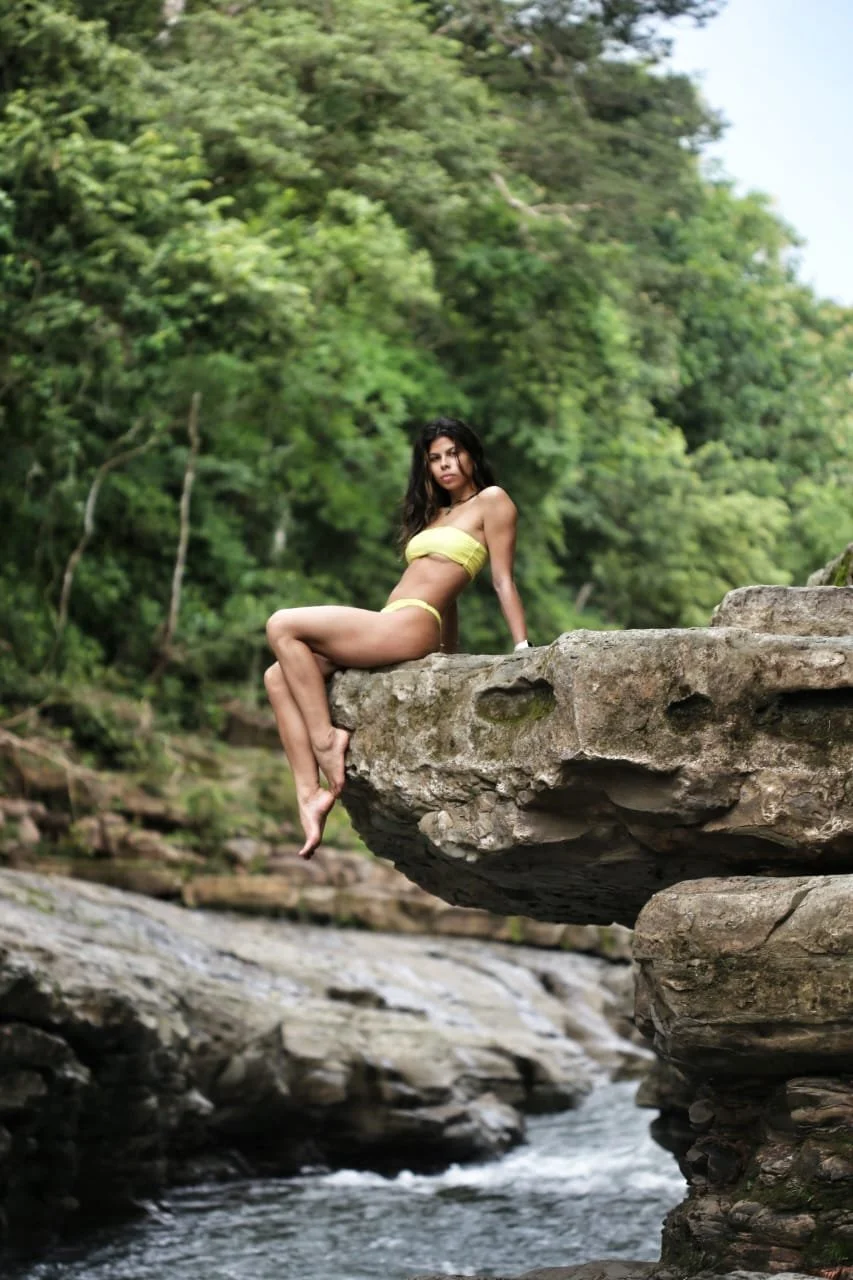
Along the Pacific coast of Panama lie two beach towns that have become almost legendary among surfers, backpackers, expats, and travelers searching for tropical life far from the atmosphere of giant resort destinations.
Playa Venao and Santa Catalina.
At first glance, they seem similar.
Both are Pacific beach towns.
Both are known for surfing.
Both attract international travelers.
Both sit several hours from Panama City.
Both offer sunsets, jungle scenery, beach bars, surf culture, and a slower pace of life.
And both have become symbols of the version of Panama many travelers dream about, tropical, adventurous, slightly wild, and still less globally commercialized than Costa Rica or Mexico.
But once somebody actually spends time in both places, it becomes obvious that they feel emotionally and culturally very different.
In many ways, Playa Venao and Santa Catalina represent two entirely different philosophies of Pacific beach life.
Playa Venao feels social, energetic, polished, and increasingly international.
Santa Catalina feels isolated, rougher, slower, and deeply connected to the raw Pacific Ocean itself.
Neither is automatically better.
But they attract very different kinds of travelers.
One of the biggest differences people notice immediately is the atmosphere upon arrival.
Driving into Playa Venao today feels like arriving in a beach town actively transforming into an international surf and lifestyle destination. New boutique hotels rise beside surf hostels. Stylish cafés serve smoothie bowls and espresso drinks. Pickup trucks carrying surfboards move along the road while travelers from around the world walk barefoot between yoga classes, coworking cafés, beachfront restaurants, and surf schools.
The energy feels youthful and social.
There is movement.
Activity.
Music.
People constantly arriving and leaving.
Santa Catalina feels completely different the moment you arrive.
The road eventually narrows toward the ocean through quiet countryside, and suddenly the town appears almost unexpectedly, dusty roads, fishing boats, surf shops, small hostels, and the vast Pacific stretching into the distance.
Santa Catalina still feels much more isolated from the outside world.
Even now, after years of growing tourism, it retains the atmosphere of a fishing village that surfers and divers gradually discovered rather than a town intentionally developed into a tourism hub.
That difference shapes almost everything else about the experience.
Playa Venao revolves heavily around lifestyle tourism.
Santa Catalina revolves around the ocean itself.
This distinction becomes obvious in daily life.
In Playa Venao, mornings often begin with surfers heading into the waves while others drink coffee at stylish cafés overlooking the beach. Yoga retreats operate beside surf camps. Digital nomads open laptops in coworking-friendly restaurants with strong Wi-Fi. Fitness-conscious travelers run along the beach at sunrise.
The atmosphere feels curated toward a certain version of tropical living, healthy, social, internationally connected, and aesthetically polished.
Santa Catalina mornings feel rougher and more functional.
Surfers wake early because tides and wave conditions matter deeply. Dive boats prepare to leave for Coiba National Park. Fishermen move through the town. Travelers gather sleepily before long ocean excursions.
The Pacific feels dominant there.
In Playa Venao, tourism feels dominant.
This is not criticism of either place.
It is simply the emotional reality of the two towns.
Surf culture also feels very different between them.
Playa Venao offers a more accessible surf environment overall. The beach break attracts beginners, intermediate surfers, surf camps, and social surf travelers. Lessons are everywhere. Rental shops are plentiful. The atmosphere around surfing often feels welcoming and communal.
Many travelers learn to surf for the first time in Playa Venao.
The beach itself is visually beautiful, a long curved bay surrounded by hills and palms. During sunset, surfers spread across the waves while beach bars begin filling with people drinking cocktails and watching the sky change colors.
The surfing becomes part of a broader social lifestyle.
Santa Catalina’s surf culture feels more serious and more ocean-focused.
The famous break known as La Punta can produce powerful waves that attract experienced surfers from around the world. Conditions there often feel heavier and more intense than Playa Venao.
Even watching the surf in Santa Catalina can feel emotionally powerful because the Pacific appears so massive and energetic.
There are fewer beginner-focused surf scenes compared to Playa Venao, though beginners can still surf in certain areas and seasons.
The atmosphere around surfing in Santa Catalina feels quieter, more dedicated, and less socially performative.
People go there because they genuinely care about the waves themselves.
One fascinating difference between the two towns is nightlife and social life.
Playa Venao has evolved into one of Panama’s strongest beach party and social destinations. Beachfront bars, DJ nights, hostel parties, surf events, and weekend gatherings create an active social environment.
During busy weekends or holidays, the town can feel surprisingly energetic for such a remote location. Travelers from Panama City drive down regularly, and international backpackers move constantly through the town.
For younger travelers seeking social energy, Playa Venao can feel ideal.
It is easy to meet people there.
Santa Catalina feels quieter after dark.
There are bars, restaurants, beers after surf sessions, and social hostels, but nightlife remains much calmer overall. Evenings often revolve around conversations after diving trips, watching stars, listening to the ocean, or relaxing after physically exhausting days.
The darkness itself feels deeper in Santa Catalina because the town remains more isolated and lightly developed.
Some travelers love this calmness.
Others eventually feel bored.
Another major difference involves accessibility and convenience.
Playa Venao has become significantly easier and more comfortable for travelers in recent years. Roads improved dramatically compared to the past. Accommodations range from luxury villas to hostels. Internet quality is generally better. Transportation connections are improving steadily.
The town increasingly feels designed to support long-term tourism and remote work lifestyles.
Santa Catalina still requires more commitment.
The journey feels longer psychologically even if distances are not dramatically different. Infrastructure remains rougher. Internet can be inconsistent. Certain services feel unpredictable. Weather affects daily life more strongly.
Many travelers actually love this inconvenience because it preserves the town’s authenticity.
Others find it frustrating after several days.
The surrounding landscapes also create completely different emotional atmospheres.
Playa Venao feels warm, tropical, social, and open. The beach itself becomes the center of life, lined with accommodations, bars, surf schools, and restaurants.
Santa Catalina feels more rugged and geographically dramatic. Rocky coastlines, fishing docks, jungle-covered hills, and stronger Pacific energy dominate the scenery.
And then there is Coiba National Park, perhaps the single greatest thing separating Santa Catalina from Playa Venao.
Coiba transforms Santa Catalina from merely a surf town into one of the great marine adventure destinations in Central America.
Divers, snorkelers, fishermen, whale watchers, and marine wildlife enthusiasts come specifically because of access to Coiba’s extraordinary biodiversity.
Whale sharks, hammerhead sharks, dolphins, sea turtles, rays, humpback whales during migration season, and massive schools of fish all contribute to the area’s legendary status.
Playa Venao offers beautiful surf-town living.
Santa Catalina offers direct connection to one of the wildest marine environments in the Pacific.
This difference affects the kind of travelers each place attracts.
Playa Venao often attracts:
Social surfers
Digital nomads
Wellness travelers
Groups of friends
Lifestyle-oriented expats
People seeking comfort with adventure
Santa Catalina often attracts:
Serious surfers
Divers
Marine wildlife enthusiasts
Nature lovers
Independent backpackers
Travelers seeking isolation and rawness
Food scenes differ too.
Playa Venao increasingly offers polished international dining. Sushi, gourmet burgers, smoothie cafés, vegan meals, craft cocktails, and modern surf-town cuisine dominate many restaurants.
Santa Catalina’s food scene feels simpler and more practical overall. Seafood, local meals, casual restaurants, and dive-town cafés dominate daily life, though tourism growth has improved variety over time.
One subtle but fascinating difference is how time feels in each place.
In Playa Venao, time still feels connected to schedules, social plans, fitness classes, surf lessons, and nightlife events.
In Santa Catalina, time begins organizing itself around:
Tides
Boat departures
Surf conditions
Weather
Sunsets
Ocean visibility
The ocean controls daily rhythm much more directly.
And perhaps this explains the deepest emotional difference between them.
Playa Venao feels like a tropical lifestyle destination shaped around comfort, community, surfing, and social energy.
Santa Catalina feels like a frontier town at the edge of the Pacific where the ocean still feels more powerful than tourism itself.
Some travelers arrive in Playa Venao and immediately imagine themselves living there long term. Life feels attractive, social, and relatively easy.
Some travelers arrive in Santa Catalina and feel something more primitive and emotional, the sense of being physically far away from ordinary modern life.
Interestingly, many people end up loving both towns for completely different reasons.
Playa Venao offers the version of beach life that feels balanced and sustainable for long-term tropical living.
Santa Catalina offers the version that feels adventurous, unpredictable, and unforgettable.
And together, they represent two completely different visions of what the Pacific coast of Panama can become.