
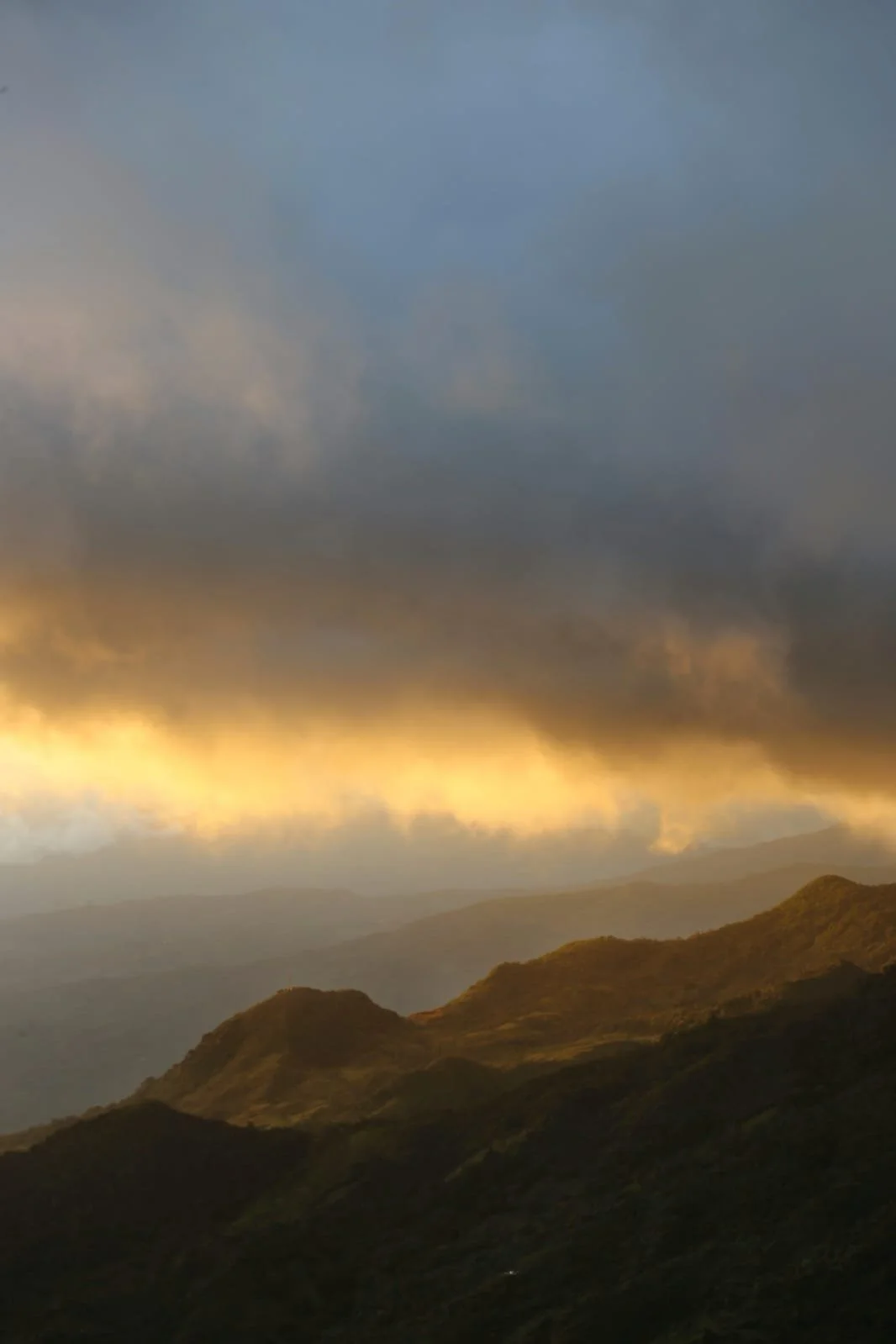
Few agricultural products are as closely connected to Panama as coffee. The cool volcanic mountains of western Panama, especially around Boquete and Volcán, produce some of the most famous and expensive coffee on Earth, particularly the legendary Geisha variety. Panama’s mountain climate, rich volcanic soil, frequent mist, and high elevations created nearly perfect conditions for specialty coffee cultivation. But those same humid tropical conditions also create an ideal environment for one of the most destructive plant diseases in the coffee world.
The fungus is known as coffee leaf rust.
Scientifically called Hemileia vastatrix, coffee leaf rust is considered one of the most devastating diseases ever to affect coffee agriculture globally. The disease attacks the leaves of coffee plants, weakening the trees, reducing yields, and in severe outbreaks causing widespread economic damage across entire coffee producing regions.
In Panama, the fungus has become one of the major long term challenges facing coffee farmers, especially those growing Arabica coffee varieties in humid mountain environments.
The name “rust” comes from the disease’s appearance. Infected coffee plants develop yellow or orange powdery spots on the undersides of their leaves. These spots contain fungal spores that spread through moisture, wind, rain, and contact between plants. As the infection worsens, leaves begin falling prematurely from the tree. The coffee plant gradually weakens because it loses the ability to photosynthesize properly. Reduced energy means fewer coffee cherries, lower quality harvests, and sometimes long term damage to the plant itself.
The visual appearance of an infected plantation can be dramatic. Healthy coffee farms normally look dense, deep green, and vibrant. During serious rust outbreaks, however, entire sections of farms may appear thin, yellowing, or partially defoliated. The disease spreads especially well during wet humid conditions, which makes Panama’s cloud forests simultaneously perfect for coffee and dangerous for fungal outbreaks.
Coffee rust has a long and destructive history globally. Historians often point to the nineteenth century collapse of coffee production in what is now Sri Lanka as one of the most famous agricultural disasters caused by a plant disease. Coffee rust devastated plantations there so badly that the country largely shifted from coffee production to tea cultivation.
In Central America, major outbreaks intensified during the 2010s. A severe epidemic spread through coffee producing countries across the region, damaging enormous numbers of farms and causing billions of dollars in economic losses. Panama was affected as part of this broader regional crisis, although some higher elevation farms managed conditions better than lower altitude regions elsewhere in Central America.
Climate plays a huge role in the fungus’s behavior. Coffee leaf rust thrives in warm humid environments where moisture remains on leaves for extended periods. Rising temperatures and changing rainfall patterns associated with climate change have increased concern among scientists and coffee producers because shifting weather conditions may help the fungus spread into areas previously protected by cooler temperatures.
Ironically, some of Panama’s most famous coffee varieties became important partly because of the rust problem itself.
The world famous Geisha coffee, strongly associated with Panama today, was originally introduced partly because it showed useful tolerance to coffee rust compared to some other varieties. The Geisha variety came originally from Ethiopia before eventually reaching Panama through agricultural research networks in Central America during the twentieth century.
At first, many farmers were not particularly enthusiastic about Geisha plants. The trees were delicate, lower yielding, and more difficult to manage than some commercial varieties. But at high elevations in Panama’s volcanic mountains, something extraordinary happened. The plants produced coffee with intensely floral and complex flavors unlike almost anything else in the coffee world. Eventually Panama Geisha became internationally famous and started breaking auction records for coffee prices.
Even Geisha, however, is not completely immune to fungal disease. Researchers and farmers continue studying which coffee varieties possess the best balance between flavor quality, climate suitability, and disease resistance.
Coffee farmers in Panama now use multiple strategies to combat fungal outbreaks. Fungicides remain one common approach, especially during wet seasons when infection risk increases. Farmers also carefully manage shade, airflow, pruning, and plant spacing because dense humid conditions help fungi spread more easily. Some plantations move cultivation to higher elevations where cooler temperatures slow fungal reproduction.
Researchers are also experimenting with biological controls, resistant hybrids, improved monitoring systems, and even artificial intelligence systems capable of detecting rust infections early through image analysis. Modern coffee farming increasingly combines traditional agricultural knowledge with advanced plant science because the stakes are so high economically.
Coffee diseases in Panama extend beyond rust alone. Researchers in Panama identified another fungal pathogen called Boeremia exigua affecting Geisha coffee plants in Chiriquí Province, causing a disease locally known as “Derrite.” This illustrates how vulnerable specialized crops can become in tropical climates where fungi thrive naturally.
The battle between coffee farmers and fungal disease is essentially a constant arms race. Coffee plants evolve or are selectively bred for resistance. Fungi mutate and adapt. Climate conditions shift. Agricultural practices change. Every rainy season creates new opportunities for infection.
And because Panama produces some of the most prestigious specialty coffee in the world, protecting those farms carries enormous economic importance.
Coffee itself shapes much of the identity of western Panama. Entire mountain communities depend on the industry. Seasonal harvests employ workers across Chiriquí Province. Coffee tourism attracts visitors from around the world. Panama’s international reputation in specialty coffee markets rests heavily on maintaining healthy high quality production.
That means the struggle against coffee fungus is not just an agricultural issue.
It is deeply connected to Panama’s economy, environment, rural culture, and global reputation.
Hidden beneath the beautiful green coffee fields of Panama’s cloud forests is an ongoing scientific and agricultural battle taking place leaf by leaf across the mountains.