
Soná is one of those places in Panama that most travelers pass by without realizing how important and character rich it actually is. Sitting in the southern part of Veraguas Province, not far from the Pacific side and within reach of both inland valleys and coastal ecosystems, Soná is a traditional rural town that reflects a slower and more grounded version of Panamanian life. It is not a tourist hotspot, not a beach destination, and not a resort town. Instead, it is a working agricultural center surrounded by ranchlands, forests, rivers, and small farming communities that give it a strong regional identity rooted in land, livestock, and everyday rural culture.
At first glance, Soná appears simple. It has a central town layout with local shops, small businesses, schools, churches, and municipal buildings that serve the surrounding rural districts. But this simplicity hides its deeper importance. Soná functions as a local hub for the surrounding countryside, meaning that people from nearby farms and villages regularly travel into town for supplies, services, markets, education, and social connection. This constant flow of rural activity gives the town a steady rhythm that is shaped less by tourism or industry and more by the agricultural cycles of the surrounding land.
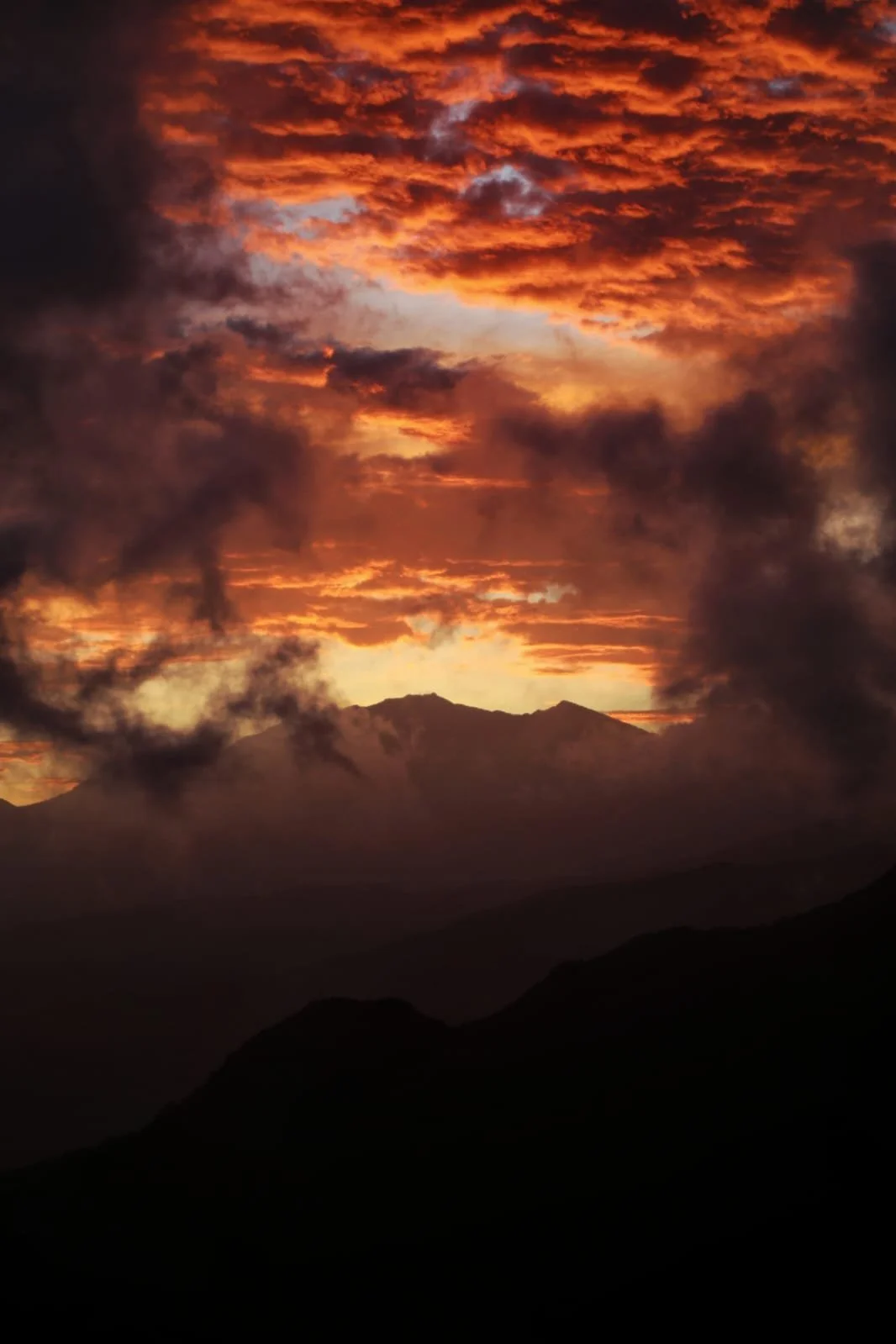
The landscape around Soná is a mix of rolling hills, pastureland, patches of secondary forest, and river systems that cut through the terrain. This environment is typical of the central Pacific region of Panama, where dry tropical conditions dominate much of the year, followed by a rainy season that quickly transforms the land into a greener and more vibrant version of itself. During the dry season, the hills can appear golden and open, with cattle grazing across wide fields and long views stretching across the countryside. During the rainy season, everything becomes denser and more alive, with vegetation thickening and rivers swelling as water flows through the landscape.
Agriculture and cattle ranching are central to Soná’s identity. Much of the surrounding land is used for livestock, and it is common to see open ranches, fences stretching across hillsides, and farm roads connecting isolated properties. This agricultural presence is not industrial in scale but rather traditional and community based, reflecting generations of rural land use that continue to shape the region today. Farmers and ranchers form the backbone of the local economy, and their work defines the daily rhythm of life in and around the town.
Rivers and water systems also play an important role in the Soná region. Small rivers and streams run through the surrounding countryside, providing water for agriculture and supporting local ecosystems. These waterways become especially important during the rainy season, when they expand and bring life to the surrounding land. For many rural communities, rivers are not just natural features but essential resources for farming, livestock, and daily living.
Although Soná is not widely known as a tourism destination, it sits within reach of some of Veraguas Province’s broader natural landscapes. The province itself is one of the most geographically diverse in Panama, containing everything from Pacific coastlines to inland forests and mountain regions. Soná’s location makes it a natural link between these environments, even if it does not directly sit inside major protected areas or tourist circuits. Travelers passing through the region often experience it as part of overland journeys between central Panama and coastal destinations.
The cultural life of Soná is deeply rooted in traditional Panamanian rural customs. Community events, local festivals, religious celebrations, and family gatherings are central to the social structure of the town. Music, dance, and traditional food play an important role in these events, reinforcing cultural identity and bringing people together across generations. Unlike urban centers where life is often fast paced and fragmented, Soná maintains a stronger sense of continuity and community connection.
The town also reflects the broader historical development of rural Panama, where small settlements grew around agriculture, livestock, and regional trade routes. Over time, these towns became essential service centers for surrounding rural populations, providing education, healthcare, and commercial access in areas that are otherwise widely dispersed. Soná fits this pattern perfectly, acting as a stable anchor point in a region defined by open land and scattered settlements.
Wildlife in the Soná region is typical of Panama’s dry and transitional ecosystems. While it does not have the dense biodiversity of rainforest regions, it still supports a variety of bird species, reptiles, and small mammals adapted to open and semi forested environments. Birds of prey are often seen circling above fields, while smaller species move through trees and shrubs near water sources. In more forested patches, especially near rivers, biodiversity increases and becomes more varied.
One of the defining characteristics of Soná is its sense of space and openness. The town and its surroundings are not densely built or heavily urbanized. Instead, the landscape feels spread out, with long distances between homes, farms, and natural features. This creates a feeling of calm and openness that is very different from Panama’s cities or coastal tourist zones. Life here is shaped by distance, land, and nature rather than vertical development or concentrated infrastructure.
Infrastructure in Soná is functional rather than modernized for tourism. Roads connect the town to surrounding rural areas and larger highways, but travel is often slower and more direct. This reinforces the town’s role as a regional hub rather than a destination designed for visitors. Most buildings and services are oriented toward local needs, which gives the town an authentic and unfiltered character.
Ultimately, Soná represents a side of Panama that is often overlooked but deeply important. It is not defined by dramatic landmarks or tourist attractions, but by its role in supporting rural life across a wide region of Veraguas. It is a place where agriculture, community, and landscape come together in a simple but meaningful way.
For those who pass through, Soná offers a glimpse into the everyday reality of rural Panama. It is a town shaped by land, seasons, and tradition, quietly maintaining its place in the center of a province that connects mountains, coasts, forests, and farmlands into one continuous and living landscape.