
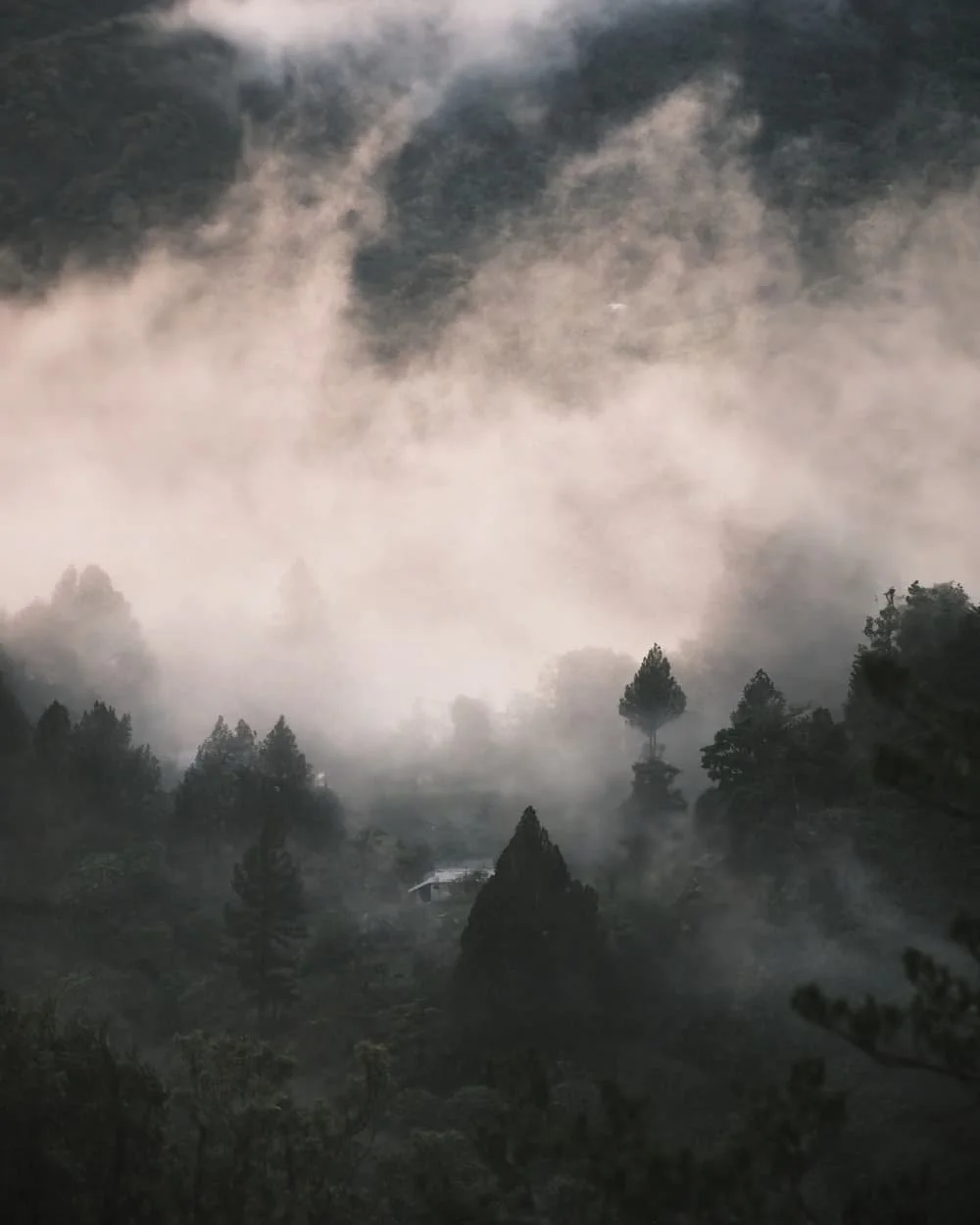
Veraguas Province is one of the most geographically diverse and quietly powerful regions in Panama, and it holds a distinction that no other province in the country can match it is the only province that stretches from the Pacific Ocean to the Caribbean Sea. This rare geographic reach means Veraguas contains an almost unbelievable range of ecosystems, landscapes, and travel experiences within a single region, from remote offshore islands and world class marine reserves to dense inland forests, agricultural valleys, river systems, surf beaches, and traditional rural towns that feel far removed from Panama’s more urbanized or heavily touristed zones. While many travelers focus on Panama City, Bocas del Toro, or the Canal Zone, Veraguas remains one of the least understood yet most complete representations of the country’s natural and cultural identity, offering a level of diversity that rewards slow exploration and curiosity far beyond the main tourist circuits.
One of the most important highlights of Veraguas is its Pacific coastline, which is home to some of the most iconic marine and island destinations in all of Panama, particularly the internationally recognized Coiba National Park. This vast protected marine reserve is one of the largest in the Eastern Pacific and is widely regarded as one of the most important biodiversity hotspots in the region. Coiba itself is a massive island surrounded by smaller islands and deep ocean waters that support an extraordinary range of marine life including whale sharks, humpback whales during migration seasons, dolphins, sea turtles, reef sharks, and hundreds of fish species that thrive in its protected waters. The island was historically isolated as a penal colony for much of the twentieth century, which unintentionally preserved its ecosystems by limiting human development and large scale exploitation. Today it is a UNESCO World Heritage Site and one of the most significant diving and snorkeling destinations in Central America, where underwater visibility, coral formations, and encounters with large pelagic species create an experience that feels both remote and scientifically significant.
Access to Coiba typically begins from the coastal region near Santa Catalina, a small surf and dive town that has become the main gateway to the marine park while still maintaining a relatively low density and relaxed atmosphere compared to more commercial beach destinations. Santa Catalina itself is known for its powerful and consistent surf breaks, attracting surfers from around the world who come for the combination of reliable Pacific swell and uncrowded conditions. The town is small and focused almost entirely on ocean based activities, with dive shops, surf camps, small guesthouses, and local restaurants forming the core of its infrastructure. Despite its growing popularity, it still feels more like a remote coastal outpost than a developed tourist hub, with dirt roads, simple accommodations, and a strong connection to the surrounding ocean environment. From here, boat trips depart daily to Coiba and nearby islands, creating one of the most important adventure tourism circuits in the country.
Beyond the coastline, Veraguas transitions into a vast interior landscape of agricultural valleys, rivers, and rural communities that define the province’s inland identity. The region around Santiago acts as the central hub for this interior zone, functioning as a key administrative, commercial, and transportation center that connects coastal and inland areas. Santiago is not a tourist destination in the traditional sense, but it is essential to understanding how Veraguas operates as a province. It serves as a service center for surrounding farming communities, supporting education, healthcare, trade, and logistics across a wide rural area. The city itself is built around everyday Panamanian life rather than tourism infrastructure, with markets, small businesses, residential neighborhoods, and government institutions forming its core structure. Its strategic location along major road networks makes it a natural stopping point for travelers moving between different parts of the country.
The inland geography of Veraguas is characterized by rolling hills, open farmland, cattle ranches, and river systems that cut through the landscape and provide essential water resources for agriculture and rural communities. This agricultural identity is one of the defining features of the province, shaping both its economy and its cultural traditions. Large areas of land are dedicated to livestock and farming, with wide open fields, scattered trees, and rural roads connecting small settlements. During the dry season, the landscape often appears golden and open, while the rainy season transforms it into a greener and more vibrant environment as vegetation rapidly regenerates and rivers expand. This seasonal rhythm plays a major role in daily life across the province, influencing farming cycles, travel conditions, and the overall appearance of the land.
One of the most remarkable aspects of Veraguas is how its river systems connect inland regions to both the Pacific and Caribbean sides of the country. These rivers originate in forested interior zones and flow outward through valleys and lowlands, creating a network of freshwater ecosystems that support agriculture, wildlife, and human settlements. Many of these river areas remain relatively undeveloped and offer opportunities for swimming, exploration, and nature based experiences away from crowded tourist destinations. They also play an important ecological role, supporting biodiversity in both dry and humid environments depending on location and elevation.
While Veraguas is often associated with its Pacific coast and inland agriculture, its Caribbean extension is one of its most unusual geographic features, even though it is less developed and more remote than the Pacific side. This dual ocean identity gives the province a unique strategic and ecological significance within Panama, as it connects two very different marine environments within a single administrative region. However, most tourism activity remains concentrated on the Pacific side due to accessibility and infrastructure.
Culturally, Veraguas is deeply rooted in rural Panamanian traditions, with strong ties to agriculture, livestock farming, fishing, and community based life. Towns and villages across the province maintain a slower and more traditional rhythm compared to urban centers, with festivals, religious celebrations, and local gatherings playing an important role in social structure. Music, dance, and food traditions are widely preserved, and many communities continue to practice customs that have been passed down through generations. This cultural continuity gives the province a strong sense of identity that is closely connected to land, seasons, and local relationships rather than external tourism influences.
Wildlife across Veraguas varies significantly depending on region. Coastal and marine zones support large populations of ocean life, especially around Coiba, while inland areas support species adapted to agricultural and forest edge environments. Birds of prey are commonly seen across open landscapes, while forested areas near rivers and less disturbed zones provide habitat for monkeys, reptiles, amphibians, and a wide range of bird species. The diversity of ecosystems within the province means that wildlife experiences can change dramatically depending on whether you are near the coast, in rural farmland, or in more forested interior zones.
What makes Veraguas especially compelling as a tourism destination is not any single attraction but the sheer range of environments contained within its borders. In a single journey, travelers can experience remote island marine reserves, surf focused coastal towns, agricultural valleys, river systems, and inland rural communities that feel deeply authentic and largely untouched by mass tourism. This combination of accessibility and diversity makes Veraguas one of the most complete yet underappreciated regions in Panama.
Ultimately, Veraguas is a province defined by contrast and connection. It links two oceans, multiple ecosystems, and a wide range of human and natural landscapes into one continuous region that reflects the complexity of Panama itself. It is not a destination built around one iconic landmark or single attraction but rather a living geographic system where land, sea, culture, and economy interact across vast and varied terrain. For travelers willing to explore beyond the most well known routes, Veraguas offers an expansive, layered, and deeply authentic experience that captures the true scale and diversity of Panama in a way few other regions can match.