
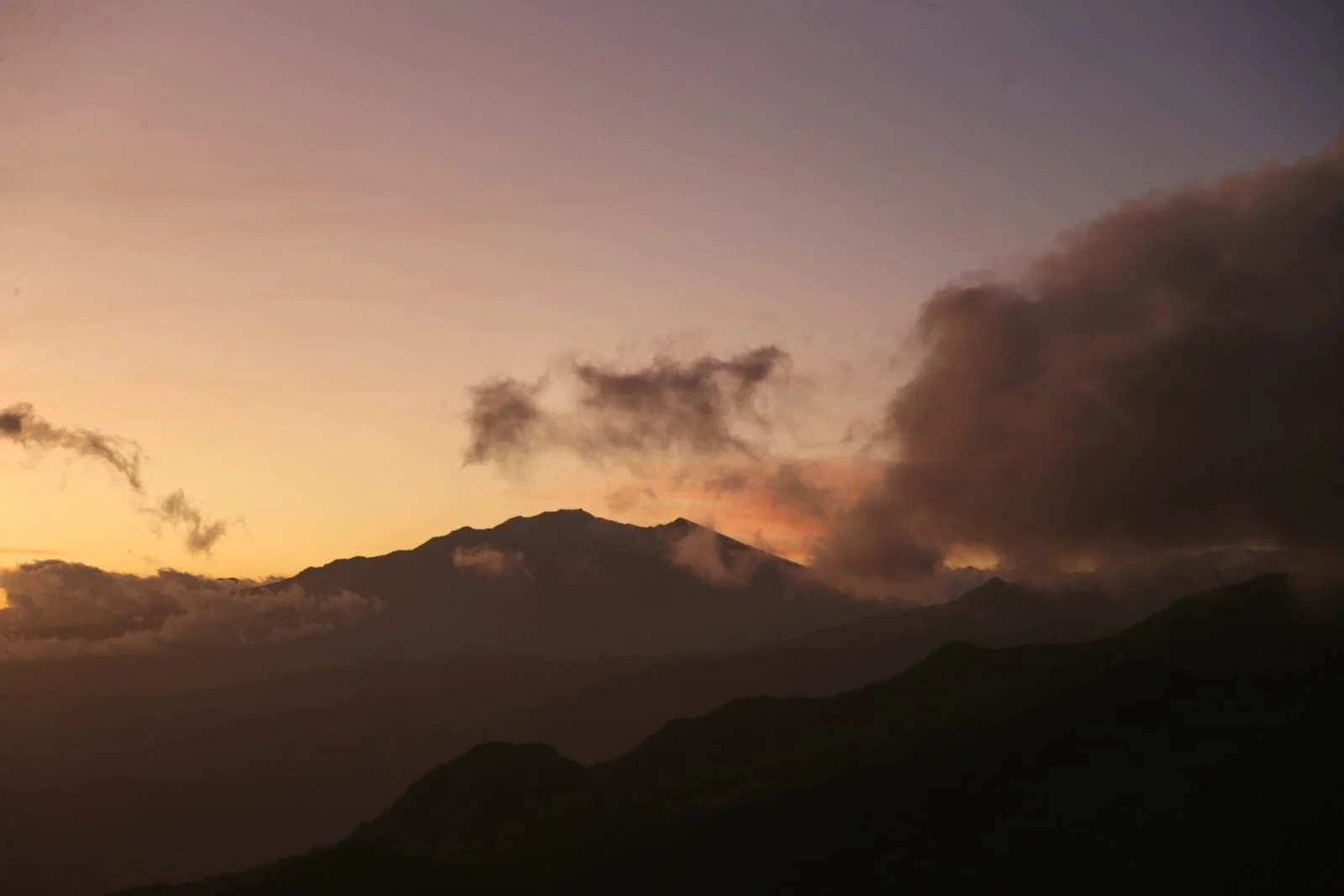
Coiba National Park is one of the most extraordinary natural regions in all of Central America, and at its heart lies the massive and remote Coiba Island, a place so ecologically rich, geographically isolated, and biologically significant that it is often referred to as the “Galápagos of the Americas.” Located off the Pacific coast of Panama in the province of Veraguas, Coiba is not just a destination but an entire ecosystem preserved almost in isolation for decades, shaped by ocean currents, volcanic geological origins, dense tropical forest, and a long human history that left the island untouched enough to become one of the most important conservation success stories in the Eastern Pacific.
What makes Coiba so remarkable begins with its isolation. For much of the twentieth century, the island was used as a penal colony, which dramatically limited development and large scale human settlement. While this history is complex and often harsh, it had an unintended ecological consequence it preserved vast stretches of forest and marine environment from deforestation, urbanization, and industrial fishing pressure that affected many other coastal regions in the Pacific. As a result, Coiba today remains one of the largest and most intact tropical forest and marine ecosystems in Central America, where wildlife populations have had decades to recover and thrive with minimal human interference.
The terrestrial environment of Coiba is dominated by dense tropical rainforest that covers much of the island’s interior. This forest is not uniform but layered, with tall canopy trees forming a continuous green roof, thick understory vegetation, winding vines, and open clearings created by natural processes rather than human development. The ecosystem supports a wide variety of terrestrial wildlife including monkeys, coatis, reptiles, and numerous bird species that have adapted to life in an isolated island environment. One of the most fascinating aspects of Coiba’s land based biodiversity is the presence of endemic and sub endemic species, meaning animals that exist only on the island or in very limited surrounding regions, a direct result of its long isolation from the mainland.
Birdlife on Coiba is especially rich and varied, with species moving between forest interiors, coastal zones, and open clearings. Raptors can often be seen circling above the canopy, while smaller tropical birds move through the dense vegetation in search of fruit and insects. Because human presence is limited, many animals display less fear of observers compared to mainland populations, allowing for unusually intimate wildlife encounters in certain areas of the island.
However, the true global significance of Coiba lies not on land but in its surrounding waters. The marine ecosystem that forms part of Coiba National Park is one of the most biologically important ocean regions in the Eastern Pacific. These waters are influenced by nutrient rich currents that support massive populations of marine life, from microscopic plankton to large pelagic predators. Coral reefs, rocky formations, deep channels, and open ocean zones all exist within the protected area, creating a complex underwater landscape that supports extraordinary biodiversity.
Divers and marine biologists who visit Coiba frequently encounter species that are rare or seasonal in other parts of the world. Whale sharks pass through these waters during migration periods, feeding in plankton rich zones near the surface. Humpback whales travel through the region during breeding seasons, often seen breaching offshore or communicating across long distances. Dolphins are commonly observed in pods, moving through the waves with remarkable speed and coordination. Sharks, including reef sharks and larger pelagic species, are part of the natural marine balance, reflecting the health of the ecosystem rather than danger to visitors.
The coral reefs around Coiba are among the most important in Panama, providing habitat for hundreds of fish species and supporting the overall productivity of the marine park. Visibility underwater can be exceptional depending on seasonal conditions, allowing divers to explore reefs filled with color, movement, and complex ecological interactions. Sea turtles are frequently seen gliding through currents or resting near reef structures, and large schools of fish move through open water in synchronized patterns that reflect the stability of the ecosystem.
The geography of Coiba itself adds to its ecological importance. As the largest island in Central America’s Pacific region, it contains multiple habitat zones ranging from coastal mangroves and beaches to dense inland forest and elevated ridges. This variation creates microclimates and ecological niches that support different species assemblages within relatively short distances. Coastal areas are often shaped by tides, wave energy, and marine nutrient exchange, while inland regions remain humid, shaded, and relatively undisturbed.
One of the most striking experiences on Coiba is the sense of remoteness. There are no cities, no large settlements, and no modern urban infrastructure dominating the landscape. Instead, the island exists in a state where nature is the primary architect of its appearance and function. Human presence is limited to conservation staff, researchers, and controlled tourism operations, which helps maintain the ecological integrity of the region while still allowing visitors to experience its environments in a responsible way.
Access to Coiba typically begins from the coastal town of Santa Catalina, which serves as the main gateway for diving and boat excursions into the national park. The journey by sea takes travelers across open Pacific waters where conditions can range from calm and glassy to dynamic and wave filled depending on season and weather. This transition from mainland coast to isolated island reinforces the feeling of entering a separate ecological world, where the density of human life quickly fades and the vastness of the ocean takes over.
Historically, Coiba’s isolation has also shaped its cultural narrative. The island’s former penal colony operated under difficult and often severe conditions, and while this period is part of its historical identity, it also contributed to the preservation of its ecosystems by restricting development. After the closure of the penal colony, conservation efforts gradually transformed Coiba into a protected national park, culminating in its recognition as a UNESCO World Heritage Site. This shift from isolation for punishment to isolation for preservation represents one of the most important conservation transformations in the region.
Today, Coiba stands as a symbol of ecological recovery and protection. It demonstrates how limited human intervention, even if originally unintended, can result in the survival of entire ecosystems that might otherwise have been heavily degraded. It also serves as a critical research site for marine biology, climate science, and conservation studies, offering insights into how tropical marine and forest ecosystems function in relatively undisturbed conditions.
Ultimately, Isla Coiba is not just a travel destination but a living natural archive. It is a place where forest and ocean meet in one of the most biologically intense environments in the Americas, where marine megafauna move freely through protected waters, and where terrestrial ecosystems continue to function with minimal disruption. For travelers, scientists, and conservationists alike, Coiba represents something increasingly rare in the modern world a vast, largely untouched natural system that still operates on its own ecological terms.
In a global context where pristine environments are becoming harder to find, Coiba stands out not only for its beauty but for its scale, its integrity, and its importance. It is a reminder that some of the most powerful natural experiences on Earth are not built or designed, but preserved through time, isolation, and protection.