
Panama is one of the most underrated travel destinations in the entire Western Hemisphere, especially for backpackers, long term travelers, and people who want high quality nature, beaches, culture, and infrastructure without the extreme prices often associated with similar destinations in Costa Rica, Colombia, or the Caribbean islands. What makes Panama so unusual in the global tourism landscape is not just that it is beautiful or diverse, but that it is quietly built in a way that allows almost any travel style to work here. With the right choices, Panama can be luxury or ultra budget, remote or urban, social or isolated, structured or completely independent, all within relatively short distances and easy travel routes.
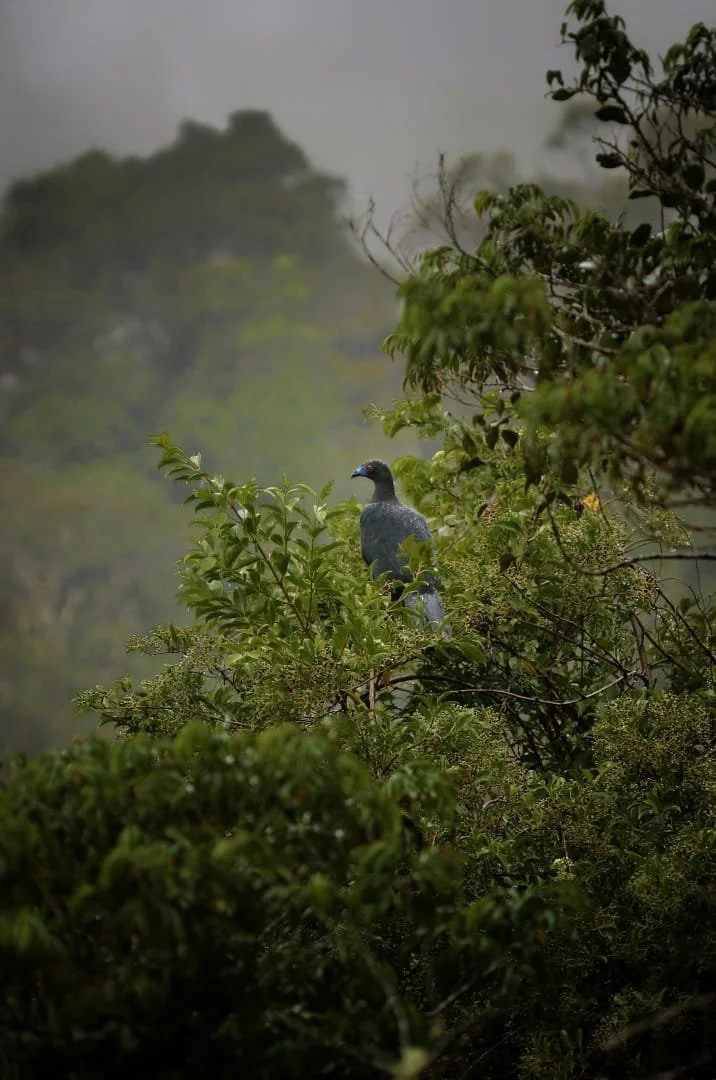
One of the biggest reasons Panama is underrated is that it suffers from what could be called “transit country perception.” Many people know it only as the place with the canal or as a stopover between North and South America. Because of this, they underestimate how much diversity exists beyond Panama City. In reality, Panama contains Caribbean islands, Pacific surf towns, high altitude cloud forests, dry tropical peninsulas, jungle rivers, indigenous territories, coral reefs, and some of the most biodiverse national parks in the region. The sheer variety of environments packed into a small geographic space means that backpackers can experience multiple ecosystems in a single trip without long or expensive internal flights.
Another major factor is cost flexibility. Panama is not uniformly cheap, but it is extremely adaptable depending on how you travel. If you stay in high end resorts and take private transport, it can be expensive. But if you use buses, shared boats, hostels, local food, and rural guesthouses, the country becomes very affordable compared to most tourist heavy destinations in the Americas. Long distance bus travel is one of the most important tools for budget travelers in Panama, connecting nearly all major regions at low cost. This makes it possible to move from Panama City to mountain towns, beach villages, and inland regions without needing rental cars or flights.
Accommodation is another area where Panama works well for backpackers. In most regions outside the capital and high end resort zones, there are hostels, guesthouses, and small family run lodgings that remain relatively inexpensive compared to global standards. Even in popular areas like surf towns or island gateways, budget beds and shared dorms are widely available if you avoid peak holiday periods. Rural areas and inland towns often offer even cheaper options, especially in places where tourism is secondary to agriculture or fishing.
Food is also a major advantage for budget travel in Panama. Local eateries known as fondas serve filling meals at very low prices compared to restaurants aimed at international tourists. These meals typically include rice, beans, meat or fish, plantains, and fresh juices, offering both nutrition and affordability. Even in cities, it is easy to eat cheaply if you follow local patterns rather than imported or tourist oriented food choices.
One of the strongest arguments for Panama’s backpacking value is the accessibility of nature. Unlike countries where major natural attractions require expensive tours or long logistics chains, Panama’s national parks and landscapes are often reachable by public transport or short boat rides. For example, rainforest experiences near the canal region, mountain hikes in western provinces, and beach access along both coasts can all be done independently or with minimal guided infrastructure. This allows travelers to choose how much they want to spend based on comfort level rather than necessity.
The diversity of destinations also plays a huge role in Panama’s underrated status. In a single country, backpackers can explore completely different worlds within short distances. The Caribbean side offers island cultures, turquoise water, and indigenous communities. The Pacific side offers surf beaches, fishing villages, and long open coastlines. Inland regions offer cloud forests, rivers, and agricultural towns. High elevation areas provide cooler climates and hiking opportunities. This density of experiences reduces the need for expensive international travel between multiple countries, making Panama highly efficient for long term travelers.
Transportation between these regions is also relatively straightforward. Panama’s bus system is one of the most reliable in Central America, with long distance routes connecting major cities and towns at low cost. While travel times can be long due to geography and road conditions, the system is generally safe, predictable, and budget friendly. In coastal regions, boats become part of the transport network, especially for island destinations, adding another layer of adventure that often costs far less than similar island travel in other parts of the world.
Another reason Panama remains underrated is that it is not overly saturated with mass tourism outside a few hotspots. While places like Bocas del Toro or Panama City see consistent visitor traffic, large parts of the country remain relatively quiet. This means backpackers can still find uncrowded beaches, less developed mountain towns, and remote nature areas without competing with overwhelming tourist crowds. This balance between accessibility and low saturation is increasingly rare globally.
Safety perception also plays a role in Panama’s under appreciation. Many travelers are unsure about safety before arriving, often due to general assumptions about the region. However, when approached with normal travel awareness, Panama is widely considered one of the more stable and accessible countries in Central America for independent travelers. Like anywhere, urban awareness is important, but the overall travel experience is manageable for backpackers who take standard precautions.
Perhaps the most overlooked aspect of Panama is how easy it is to adjust the country to different budgets. A traveler can spend very little by using local buses, staying in dorm rooms, eating local food, and focusing on nature rather than high cost activities. At the same time, the same traveler can choose to upgrade selectively by staying in boutique eco lodges, taking boat tours, or visiting remote islands. This flexibility means Panama is not locked into one price level or travel style. Instead, it scales with the traveler’s choices.
Even in more remote destinations, costs can remain reasonable compared to similar environments elsewhere. Island regions, jungle areas, and surf towns often provide budget accommodation options that are integrated into small communities rather than large corporate tourism structures. This helps keep prices relatively balanced while maintaining authenticity.
Ultimately, Panama’s biggest advantage for backpackers is its combination of diversity, accessibility, and financial flexibility. It is a country where you can cross oceans, climb into cloud forests, surf Pacific waves, and explore dense rainforest without needing extreme budgets or complicated logistics. It rewards curiosity more than spending power, which is exactly what makes it such a strong backpacking destination.
Despite this, Panama remains underrated because it is often overshadowed by its more famous neighbors and misunderstood as a short stopover destination rather than a full travel experience. In reality, it is one of the most complete and efficient countries for independent travel in the Americas, offering world class nature, cultural depth, and logistical ease in a compact and highly navigable format.
For backpackers who plan carefully, stay flexible, and use local systems, Panama can fit almost any budget while delivering experiences that feel far more expansive than its size suggests.