
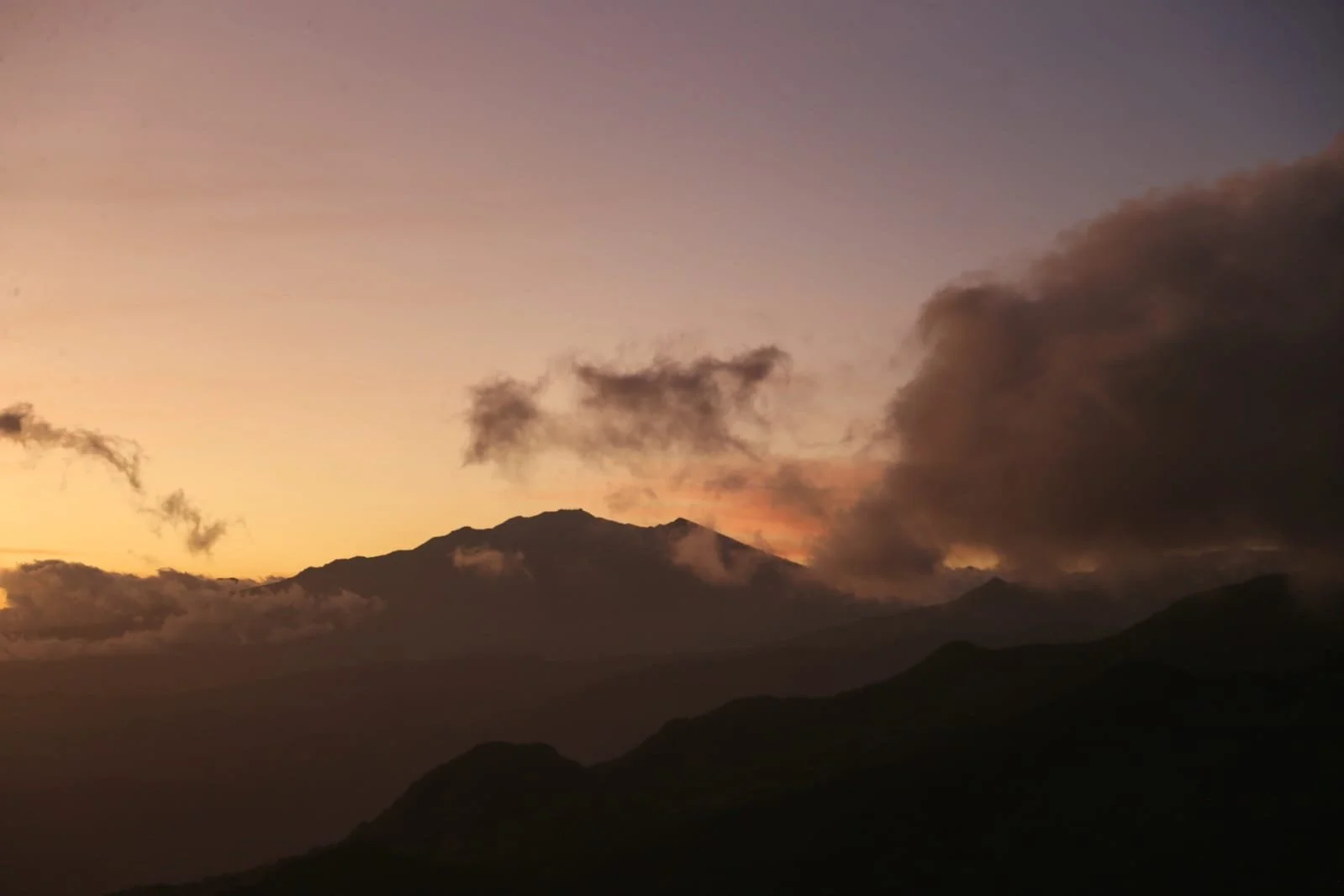
The Azuero Peninsula is often described as the cultural soul of Panama, but that description only tells part of the story. Beyond its folkloric traditions, colorful festivals, cattle ranches, colonial towns, and deep historical roots lies one of the most extraordinary coastlines in Central America. The peninsula projects boldly into the Pacific Ocean like a giant spear, creating hundreds of kilometers of beaches, rocky headlands, hidden coves, offshore islands, turtle nesting grounds, surf breaks, fishing villages, and wild coastal landscapes that remain surprisingly unexplored by international tourism.
Unlike many beach destinations where every stretch of sand eventually looks similar, the beaches of Azuero possess remarkable variety. Some feature powdery sand and calm turquoise water. Others are rugged, windswept landscapes where powerful Pacific waves crash against black volcanic rocks. There are beaches where surfers from around the world gather every morning, and there are beaches where days may pass without seeing another visitor. Some are surrounded by boutique hotels and restaurants, while others remain exactly as they appeared centuries ago when Spanish explorers first sailed these waters.
The Pacific Ocean is constantly shaping the peninsula. Powerful tides transform the coastline every few hours. During low tide, vast stretches of wet sand emerge and reveal hidden tide pools, shells, and marine life. During high tide, waves surge against cliffs and rocky formations with astonishing force. Seasonal whale migrations pass offshore. Sea turtles crawl onto remote beaches under the cover of darkness. Frigatebirds circle overhead while pelicans plunge into schools of fish just beyond the breakers.
To truly understand Azuero, one must understand its beaches. They are not merely recreational destinations. They are the lifeblood of fishing communities, the playgrounds of surfers, the nesting grounds of endangered wildlife, and some of the most beautiful natural environments in all of Panama.
Isla Iguana: The Tropical Paradise That Seems Too Beautiful to Be Real
If someone were to design a perfect tropical island from imagination, it might look remarkably similar to Isla Iguana.
Located approximately five kilometers off the coast of Pedasí, this protected island sanctuary is widely considered one of the most beautiful beach destinations in Panama. Visitors often arrive with high expectations after hearing glowing descriptions from guidebooks and fellow travelers. Yet somehow the island still manages to exceed them.
The first thing that captures attention is the color of the water. Unlike much of Panama's Pacific coast, where the ocean often appears darker due to sediment and strong currents, the waters surrounding Isla Iguana can display astonishing shades of turquoise, emerald, and sapphire blue. On calm sunny days, visibility can be excellent, allowing visitors to observe marine life even before entering the water.
The main beach appears almost unreal. Brilliant white sand stretches beneath coconut palms and native vegetation while gentle waves lap quietly along the shore. The scene feels more Caribbean than Pacific. It is difficult to believe that such a place exists just a short boat ride from the mainland.
Beneath the surface lies one of the island's greatest treasures. The coral reef system surrounding Isla Iguana is among the most significant on Panama's Pacific coast. Although Pacific coral reefs generally receive less attention than those of the Caribbean, they support an impressive diversity of life. Snorkelers frequently encounter colorful reef fish, sea stars, rays, octopuses, sea urchins, and occasionally sea turtles gliding gracefully through the water.
The island is equally fascinating above the shoreline. Designated as a wildlife refuge, it supports large nesting colonies of seabirds. Magnificent frigatebirds soar overhead with wingspans exceeding two meters. Brown pelicans glide low above the waves before plunging into the ocean. Various species of terns, boobies, and shorebirds use the island as an important sanctuary.
Walking inland reveals a landscape of dry tropical forest, cactus-covered slopes, rocky ridges, and panoramic viewpoints overlooking the Pacific. During whale migration season, humpback whales can sometimes be observed breaching offshore.
One reason Isla Iguana remains so special is the lack of development. Visitors will not find large resorts, high-rise buildings, or crowded commercial districts. Instead, the island remains largely as nature intended.
Access Difficulty
Access is surprisingly straightforward despite the island's remote appearance. Visitors first travel to Pedasí and then join licensed boat excursions departing primarily from Playa Arenal. The crossing usually takes twenty to thirty minutes. Weather conditions can occasionally affect departures, but for most travelers Isla Iguana is among the easiest pristine island destinations to visit in Panama.
Playa Venao: The Surf Capital of Panama and One of the Pacific's Great Beach Towns
Few places illustrate the transformation of Panama's tourism industry as dramatically as Playa Venao.
Only a few decades ago, Venao was little more than a quiet fishing community tucked away along a remote section of coastline. Reaching the beach involved navigating rough roads and venturing far from the country's traditional tourist routes. Today, Playa Venao is internationally recognized as one of Central America's premier surf destinations and has become one of Panama's most desirable beach communities.
Yet despite this growth, Venao retains an undeniable sense of natural beauty.
The beach itself forms a magnificent crescent-shaped bay stretching for several kilometers. Golden sand arcs gracefully between green hills covered in tropical vegetation. During sunrise, the first light of day illuminates the bay in shades of gold and silver. By afternoon, the ocean becomes alive with surfers taking advantage of the area's famously consistent waves.
What makes Venao special is not simply the quality of the surf, although that alone attracts visitors from around the world. It is the atmosphere created by the combination of nature, adventure, and community. Surfers, digital nomads, backpackers, families, and retirees all coexist in a setting where life revolves around the ocean.
The waves are remarkably reliable throughout much of the year. Beginners can take lessons in gentler sections of the bay while experienced surfers challenge themselves on larger swells. During peak surf conditions, dozens of surfers may be visible along the lineup, creating an exciting energy that contrasts sharply with the solitude found elsewhere on the peninsula.
Wildlife remains abundant despite increased development. Pelicans patrol the shoreline. Frigatebirds soar overhead. Sea turtles occasionally appear offshore. During migration season, whales can sometimes be spotted from the beach itself.
Sunsets at Playa Venao have become legendary. As the sun descends toward the Pacific horizon, the entire bay often erupts in brilliant shades of orange, crimson, pink, and purple. The wet sand acts as a giant mirror, reflecting the colors of the sky and creating one of the most spectacular evening scenes in Panama.
Access Difficulty
Very easy. Modern paved roads now connect Playa Venao to Pedasí and the wider highway network. Most visitors can comfortably reach the beach in any standard vehicle.
Playa Los Destiladeros: A Place Where the Ocean Creates Art
Among all the beaches near Pedasí, none may be more visually dramatic than Playa Los Destiladeros.
This is not a beach that impresses through tropical tranquility alone. Instead, it captivates through power, scale, and geological beauty. The Pacific Ocean has spent countless centuries sculpting this coastline into a masterpiece of cliffs, rocky platforms, hidden inlets, and dramatic formations.
Walking along Los Destiladeros feels like exploring an outdoor museum shaped entirely by natural forces. Massive rock formations rise from the shoreline. Waves crash against them with explosive force. During low tide, visitors can wander among intricate tide pools that reveal miniature worlds filled with marine life.
The beach is especially beloved by photographers. Every hour of the day reveals different colors and textures. Morning sunlight illuminates the cliffs in soft golden hues. Afternoon light accentuates the dramatic contours of the rocks. Sunset transforms the coastline into an unforgettable display of fiery colors.
Unlike some beaches that focus primarily on swimming, Los Destiladeros excels as a destination for exploration. Visitors can spend hours discovering new viewpoints, watching waves interact with rock formations, and observing the ever-changing relationship between land and sea.
One of the beach's most fascinating characteristics is its mood. Depending on weather and tides, Los Destiladeros can feel peaceful and serene or wild and untamed. The ocean constantly reshapes the experience.
Access Difficulty
Excellent. Paved roads lead almost directly to the beach, making it one of the most accessible scenic destinations on the peninsula.
Playa Cambutal: The End of the Road and the Beginning of Wilderness
Travelers often describe Cambutal as the place where Panama's civilized coastline gradually gives way to something far wilder.
The journey south toward Cambutal is an adventure in itself. The landscape becomes increasingly remote as towns grow smaller and traffic becomes scarce. Forested hills dominate the horizon. Rivers wind toward the ocean. The sense of isolation deepens with every kilometer.
Then the Pacific appears.
What awaits is one of the most dramatic coastal environments in the country. Towering green hills descend toward a shoreline shaped by powerful waves and relentless ocean forces. The beach stretches beneath immense skies while the Pacific crashes against the coast with a force that commands respect.
Cambutal's reputation among surfers continues to grow thanks to its powerful waves and relatively uncrowded breaks. However, limiting Cambutal to surfing would be a mistake. The region offers outstanding fishing, wildlife observation, hiking opportunities, and whale watching.
The scenery changes constantly. During calm weather the coastline appears inviting and serene. During storms the ocean becomes a display of raw natural power. Watching enormous waves strike the shoreline can be mesmerizing.
Nighttime in Cambutal possesses a magic all its own. With limited light pollution, the stars appear brilliant and countless. The Milky Way often stretches clearly across the sky while the sound of crashing surf echoes through the darkness.
Many visitors arrive intending to stay a night or two and find themselves extending their visit repeatedly.
Access Difficulty
Moderate. Although paved roads reach the area, Cambutal remains remote compared to most tourist destinations. Services are more limited, adding to its adventurous appeal.
Playa Guanico, Playa Bucaro, Isla Cañas, Playa Panamaes, Playa El Toro, Punta Mala, Playa Uverito, and the Forgotten Beaches of Azuero
These beaches deserve entire articles of their own. Together they form a network of hidden coastal treasures scattered across the peninsula.
Playa Guanico offers one of the longest and emptiest shorelines in Panama. Walking here can feel like stepping into another era. The beach stretches seemingly forever, with powerful waves rolling in from the open Pacific and almost no development visible on the horizon.
Playa Bucaro remains deeply connected to traditional fishing culture. Visitors experience authentic coastal life rather than tourism infrastructure. Boats, fishermen, seabirds, and sunsets define the rhythm of daily existence.
Isla Cañas serves as one of Panama's most important sea turtle nesting sites. During nesting season, thousands of turtles emerge from the ocean to lay eggs along the island's beaches, creating one of the country's most remarkable wildlife spectacles.
Playa Panamaes and Playa El Toro remain among Azuero's least-known treasures. These beaches attract adventurous travelers willing to explore rougher roads and lesser-known corners of the peninsula.
Punta Mala is famous not for swimming but for its dramatic coastal scenery and importance as a bird migration corridor. Thousands of birds pass through the region each year, making it one of the most significant birdwatching locations in Panama.
Playa Uverito offers a different experience entirely. As Herrera Province's best-known beach, it serves as a gathering place for local families and provides a glimpse into everyday Panamanian beach culture.
Beyond these named destinations lie countless unnamed beaches, coves, and stretches of shoreline. Some appear only on local maps. Others are known only to fishermen and nearby residents. Together they form one of the Pacific coast's last great frontiers of beach exploration.
Why the Azuero Peninsula Is One of the Greatest Beach Regions in Central America
The true wonder of the Azuero Peninsula is not that it possesses a few beautiful beaches. Many places have beautiful beaches. The wonder is that it possesses such an astonishing variety of beaches within a single region.
Here a traveler can snorkel coral reefs in the morning, surf world-class waves in the afternoon, explore dramatic cliffs at sunset, watch nesting sea turtles at night, and discover hidden stretches of sand the following day that receive fewer visitors in a month than some famous beaches receive in an hour.
Azuero remains one of the last places in Central America where genuine coastal exploration is still possible. The peninsula rewards curiosity. Every side road, every fishing village, and every headland has the potential to reveal another extraordinary beach waiting beyond the horizon.
For beach lovers, adventurers, photographers, surfers, wildlife enthusiasts, and travelers seeking something more authentic than a typical resort destination, the Azuero Peninsula is not merely a collection of beaches.
It is an entire world of coastline waiting to be discovered.