
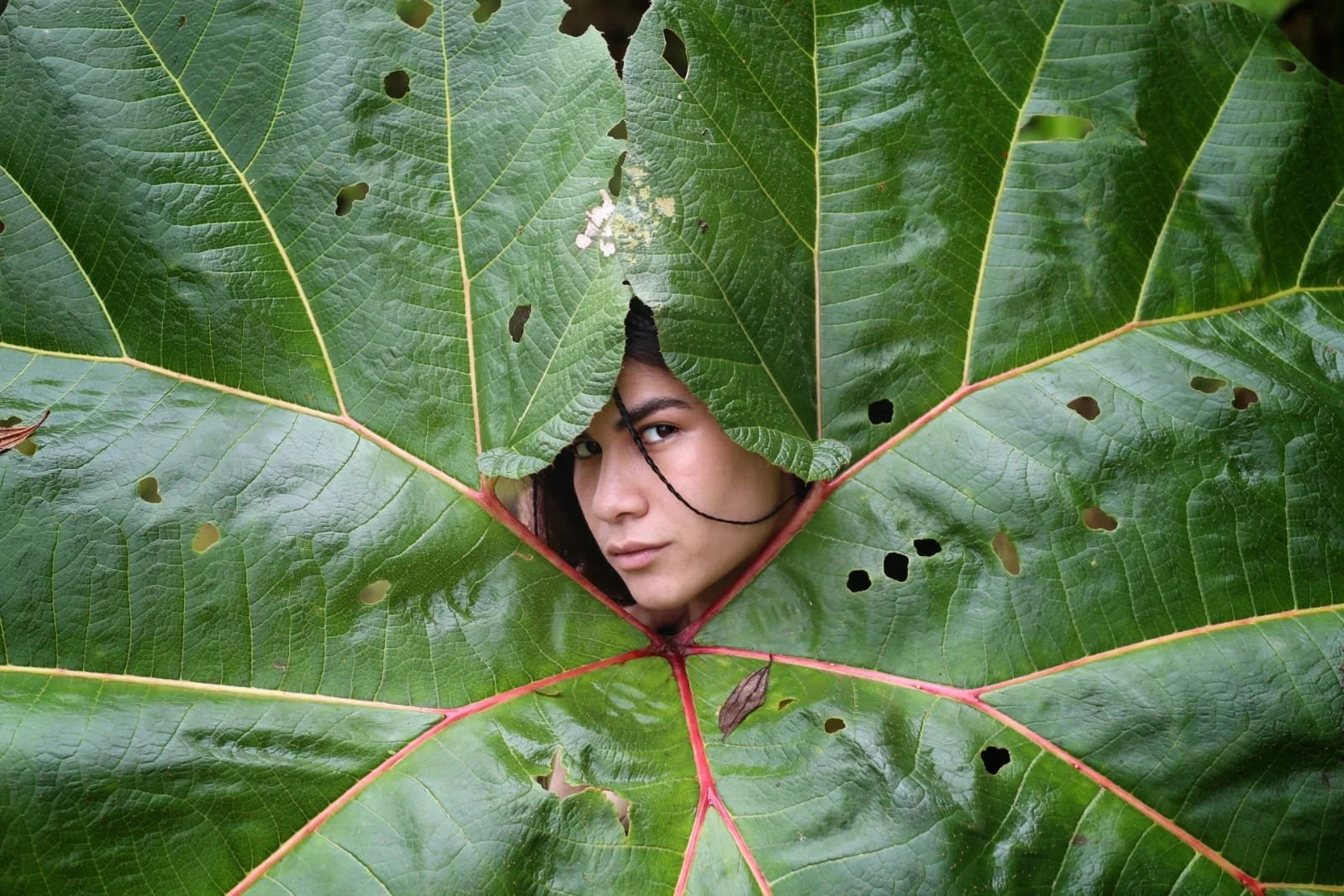
Panama is one of the most biologically intense places on Earth, a country where ecosystems collide, species from two continents mix, and evolution is still actively unfolding in real time. Because of its position as a narrow land bridge between North and South America, Panama functions as a natural biological highway, allowing animals and plants to migrate, diversify, and adapt across an extraordinary range of environments. The result is one of the highest concentrations of biodiversity on the planet, packed into a country smaller than many individual US states, yet containing rainforest giants, cloud forest specialists, coral reef communities, desert adapted organisms, and deep evolutionary lineages all living within a few hours of travel from each other.
What makes Panama especially fascinating is that its biodiversity is not static. It is actively being reshaped. New species are still being discovered in remote forest regions, especially in mountainous and less studied zones where scientific surveys are ongoing. In fact, recent biological work in western Panama has documented previously unknown reptiles, including snakes and lizards described from high elevation rainforests, highlighting how much of the country’s biological richness is still scientifically undocumented. Studies from understudied forest corridors, such as those connecting protected areas in the central Caribbean region, have even reported species that were new to science at the time of publication, reinforcing the idea that Panama remains a frontier of biological discovery rather than a fully mapped ecosystem .
The Geographic Engine Behind Panama’s Biodiversity
The foundation of Panama’s biodiversity lies in its geography. The Isthmus of Panama formed millions of years ago and permanently connected North and South America, triggering one of the most important evolutionary events in global natural history. Species from North America moved south while South American species moved north, mixing ecosystems that had previously evolved in isolation. This created intense competition, adaptation, and diversification, resulting in new ecological niches and rapid speciation across many groups of organisms.
Today, this same land bridge continues to function as a corridor for migration and genetic exchange. Forests in eastern Panama, particularly in regions such as Darién National Park, remain critical pathways for wildlife movement between continents. These forests are not just reservoirs of biodiversity but also active routes through which species continue to expand their ranges and maintain genetic diversity. The result is a dynamic system where biodiversity is not only preserved but continuously reshaped by movement and environmental pressure.
Ecosystem Diversity Packed Into a Small Country
One of the most remarkable features of Panama is how many ecosystems exist within such a small geographic area. The country contains lowland tropical rainforests, montane cloud forests, dry tropical forests, mangroves, coral reefs, seagrass beds, rivers, and volcanic highlands. Each ecosystem supports distinct biological communities that often do not overlap except in transitional zones.
In the lowland rainforests of western and eastern Panama, biodiversity reaches extreme density. These forests support layered ecological systems where life exists from the soil to the canopy, with insects forming the base of most food webs, followed by amphibians, reptiles, birds, and mammals. In contrast, cloud forests in the western highlands near areas such as Boquete exist in cooler, mist covered environments where moisture dependent plants such as orchids, bromeliads, and mosses dominate. These cloud forests also support highly specialized bird species and amphibians that cannot survive in warmer lowland ecosystems.
Along the coasts, mangrove forests and coral reefs create entirely different biodiversity systems. Mangroves act as nurseries for fish and crustaceans, while coral reefs support dense fish populations, invertebrates, and marine predators. On both the Caribbean and Pacific sides of Panama, marine biodiversity is exceptionally high due to the mixing of ocean currents, nutrient gradients, and habitat diversity. Protected marine environments such as Coiba National Park preserve some of the richest underwater ecosystems in the region.
Reptile and Amphibian Diversity and Ongoing Discovery
Panama is one of the most important regions in the world for reptiles and amphibians, a group collectively known as herpetofauna. The country contains hundreds of species of frogs, snakes, lizards, and salamanders, many of which are highly specialized and restricted to very small geographic ranges. Recent scientific surveys have recorded over 200 amphibian species and nearly 300 reptile species in Panama, with a significant portion considered threatened or endemic, meaning they exist nowhere else on Earth .
What makes this group especially significant is that new discoveries continue to occur. In remote forest regions, researchers have documented previously unknown species of snakes, including snail eating snakes and forest dwelling colubrids that were only recently described by science. One notable example from western Panama involved the identification of a new species of snail eating snake in high elevation rainforest habitats, a discovery that highlighted how little of the country’s reptile diversity has been fully catalogued. These discoveries are often made in rugged montane forest zones where access is difficult and ecosystems remain relatively undisturbed.
Field studies in biological corridors between protected areas have also reported new species awaiting formal description, particularly in understudied regions of Caribbean slope forests. These findings suggest that Panama’s reptile diversity is still incomplete in scientific literature and that additional undiscovered species likely exist in isolated or hard to access habitats .
The Lost and Found Region and the Chiriquí Highlands Biodiversity Zone
One of the most ecologically interesting and increasingly studied regions in western Panama is the mountainous forest area around the Lost and Found hostel zone near the Chiriquí highlands. This area sits within a transitional ecological corridor between lowland rainforest and high elevation cloud forest, creating a layered environment where species from multiple ecological zones overlap.
The forests around this region are dense, steep, and highly biodiverse, with thick vegetation, fast changing microclimates, and isolated valleys that function as natural evolutionary laboratories. Because of this complexity, the area has become increasingly important for biological surveys and informal ecological observation by researchers, naturalists, and hikers.
Recent field observations and scientific interest in this broader region have contributed to records of reptiles that may represent previously undocumented variation within known species complexes. In tropical systems like this, physical separation between valleys, elevation changes, and microclimate differences can lead to rapid genetic divergence in reptiles and amphibians. This is one of the reasons western Panama is considered a hotspot for cryptic biodiversity, where species may look similar but are genetically distinct.
Although scientific documentation is still developing for this specific micro region, it fits within a broader pattern seen across Panama where remote forested highlands consistently produce new biological records, including newly described lizards and snakes from similar habitats in nearby mountain systems. These findings reinforce the idea that Panama’s biodiversity is still actively being revealed rather than fully known.
Mammal Diversity and Forest Ecology
Panama’s mammal diversity is equally impressive, although many species are elusive due to dense forest cover and nocturnal behavior. Large predators such as jaguars still persist in remote forest regions, particularly in eastern Panama’s intact wilderness zones. These predators require large territories and are indicators of healthy ecosystems.
Other mammals include howler monkeys, white faced capuchins, sloths, tapirs, coatis, ocelots, and a wide diversity of bat species. Bats are especially important in Panama because they serve as pollinators, seed dispersers, and insect controllers. In many ecosystems, bats are among the most ecologically influential mammals.
Forest fragmentation poses one of the biggest threats to mammal diversity. As forests become divided by roads or agriculture, large mammals lose connectivity between habitats, which reduces genetic diversity and increases vulnerability to local extinction.
Bird Diversity: One of the World’s Great Avian Crossroads
Panama is globally recognized as one of the richest birding regions on Earth. More than 1000 bird species can be found in the country, including resident tropical species and seasonal migrants from North America. This extraordinary diversity is a direct result of Panama’s position as a continental bridge.
Bird communities vary significantly by region. Lowland rainforests support toucans, parrots, trogons, and manakins. Cloud forests support hummingbirds, quetzal relatives, and high elevation specialists. Wetlands and coastal regions support herons, egrets, and migratory shorebirds.
The mixing of migratory and resident species creates complex ecological interactions that change seasonally, making Panama one of the most dynamic bird ecosystems in the world.
Insects, Plants, and the Hidden Majority of Biodiversity
While mammals, birds, and reptiles often attract the most attention, the majority of Panama’s biodiversity exists in insects, plants, fungi, and microorganisms. Insects alone likely account for millions of individual organisms in any given hectare of forest. They pollinate plants, decompose organic material, and form the foundation of nearly all terrestrial food webs.
Plant diversity is equally extraordinary. Panama contains thousands of plant species, including a vast number of orchids, bromeliads, ferns, and canopy trees. Many plants are highly specialized, relying on specific insects or birds for pollination, which creates tightly interconnected ecological networks.
Human Impact and Conservation Pressure
Despite its biodiversity, Panama faces increasing environmental pressure. Deforestation for agriculture and cattle ranching continues in some regions, while urban expansion and infrastructure development alter habitats near populated areas. Tourism, while economically important, can also place pressure on sensitive ecosystems if not carefully managed.
However, Panama also has one of the strongest conservation frameworks in Central America. Large protected areas, national parks, and Indigenous territories help preserve significant portions of intact forest. These regions are essential for maintaining biodiversity corridors and protecting species that require large, undisturbed habitats.
The Future of Biodiversity in Panama
The future of Panama’s biodiversity will depend on how well the country balances development with conservation. Climate change, habitat fragmentation, and land use change all pose long term risks. However, Panama still retains a strong ecological foundation, with large areas of intact forest and marine ecosystems that remain globally significant.
What makes Panama especially unique is that it is still actively being discovered. New species continue to emerge from scientific studies in remote forests, particularly in mountainous and less accessible regions. This means that Panama is not just a place of existing biodiversity, but also a place where biodiversity is still being revealed.
In a world where natural systems are declining globally, Panama stands out as both a refuge and a frontier. It is a place where ancient evolutionary processes continue to shape life, and where the next scientific discovery may be waiting just beyond the next ridge, valley, or unstudied forest corridor.