
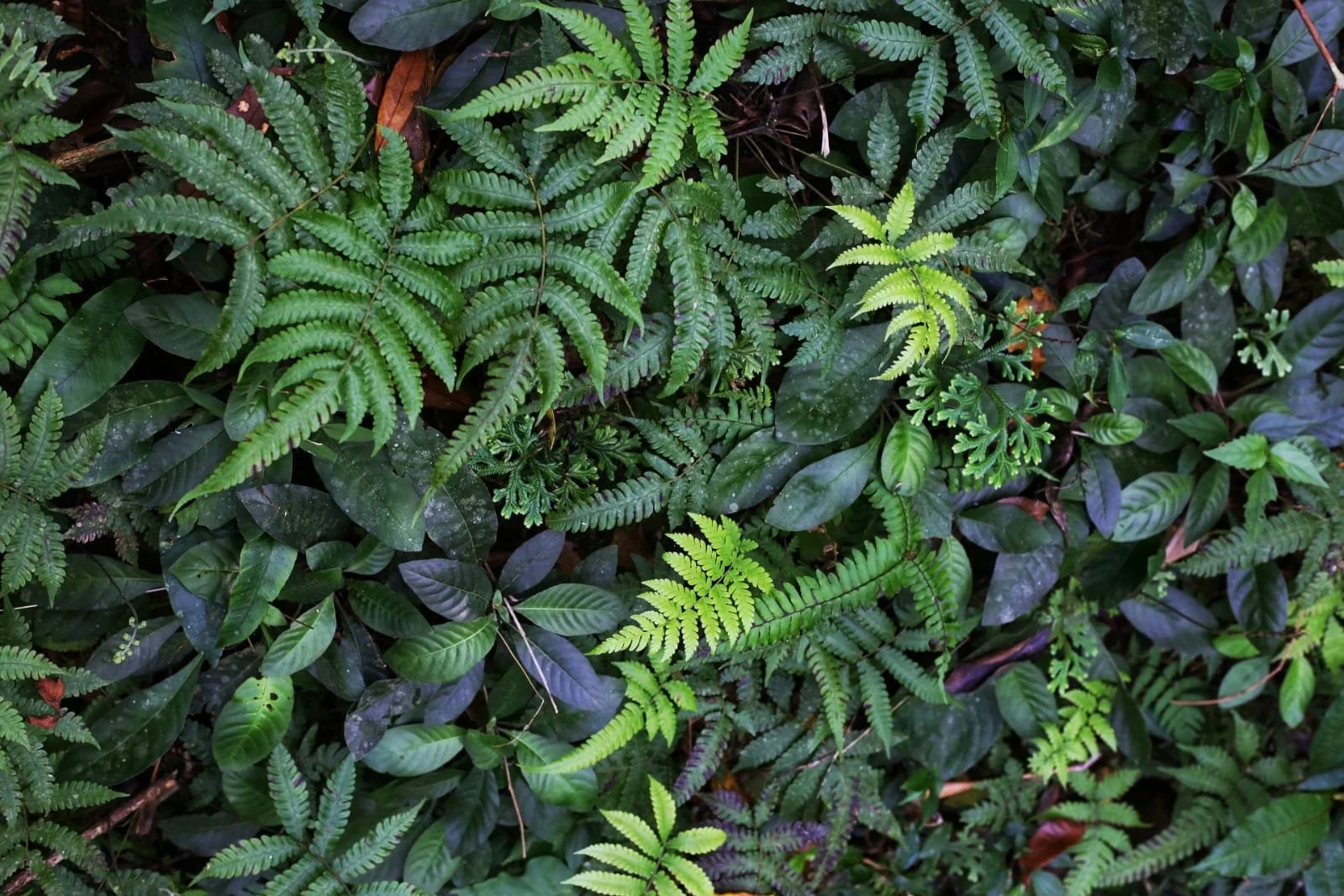
Panama is one of the most ecologically important countries in the world. It sits at the narrow bridge between North America and South America, and this unique position has created extraordinary biological diversity. Forests stretch across mountains, valleys, coasts, and river basins, forming one of the richest natural environments on Earth. Yet alongside this natural wealth is a long and complicated story of deforestation, land change, and human pressure on ecosystems.
Deforestation in Panama is not simply a story of trees being removed. It is a story about development, migration, agriculture, culture, infrastructure, and global economic demand. It is also a story about resilience, because despite ongoing forest loss in certain regions, Panama still retains large areas of intact forest compared to many other tropical countries. Understanding this balance is essential to understanding the present and future of the country’s environment.
The Forest Foundation of Panama
Panama’s forests are extremely diverse. They include lowland tropical forest, cloud forest in high elevation regions, dry forest in certain Pacific zones, mangrove ecosystems along both coasts, and montane forest in the western highlands. Each of these forest types supports different plant and animal communities, many of which exist only in this region.
In places such as Darién National Park, the forest is so dense and biologically rich that it is considered one of the most important wilderness areas in the entire Western Hemisphere. Jaguars, harpy eagles, tapirs, and countless amphibians and insects depend on this continuous forest cover.
In contrast, urban and highly developed regions such as Panama City show how human settlement has transformed natural landscapes over time. What was once forested land has largely been replaced with buildings, roads, and infrastructure. This contrast between urban development and intact wilderness is one of the defining features of the country.
Other regions such as Bocas del Toro and Boquete illustrate intermediate stages of land use change, where forest still exists but is mixed with agriculture, tourism infrastructure, and expanding human settlement.
The Historical Context of Forest Change
Deforestation in Panama did not begin recently. It has been occurring in different forms for centuries, beginning with early agriculture and expanding during colonial periods and modern economic development.
In earlier centuries, forest clearing was mostly small scale and localized. Indigenous communities used forest resources in ways that were often sustainable over long periods of time, rotating cultivation areas and allowing forest regeneration. However, with the arrival of large scale agriculture, cattle ranching, and modern infrastructure development, the scale of forest change increased significantly.
During the twentieth century, road expansion and government development policies encouraged migration into forested regions. As populations moved into rural areas, forests were cleared for farms, pasture, and settlements. This process gradually reshaped large portions of the country, especially in accessible lowland regions.
Major Drivers of Deforestation Today
Modern deforestation in Panama is driven by several interconnected factors. These factors often overlap and reinforce each other, making forest change a complex process rather than a single cause phenomenon.
Agricultural Expansion and Cattle Production
One of the most important drivers of forest loss is agricultural expansion. In many rural regions, forests are cleared to create pasture land for cattle or to establish small farms for crops.
Cattle ranching in particular has played a significant role in shaping the landscape. Forest is cleared, vegetation is burned, and grasslands are established. Over time, soil quality can decline, leading to further expansion into new forest areas. This cycle gradually pushes the forest boundary outward.
Small scale farming also contributes to forest clearing. Families often rely on land for subsistence agriculture, growing crops for local consumption and small markets. While individually small, these clearings can accumulate across regions, leading to significant fragmentation of forest ecosystems.
Road Construction and Infrastructure Expansion
Road building is one of the most powerful indirect drivers of deforestation. When new roads are constructed into forested areas, they create access for farming, logging, and settlement. This leads to secondary forest clearing far beyond the original road corridor.
Infrastructure expansion is often linked to national development goals. Roads connect rural communities, support trade, and improve access to services. However, once a road enters an intact forest region, it changes the dynamics of land use permanently. Forest edges become more vulnerable, and human activity spreads gradually deeper into previously remote areas.
Logging and Resource Extraction
Timber extraction also contributes to forest change in Panama. While there are regulations in place, enforcement can vary across regions. Selective logging removes valuable tree species and can alter forest structure even without complete clearing.
When large trees are removed, the forest canopy opens. This changes humidity levels, increases sunlight penetration, and can make the ecosystem more vulnerable to drying and further human activity. Over time, selectively logged forests may become more fragmented and less biologically diverse.
Urban Expansion and Tourism Development
Urban growth is another factor, especially around developed areas such as Panama City. As the population grows, land is needed for housing, commerce, and infrastructure. This leads to permanent conversion of forest land into urban environments.
Tourism development also plays a role, particularly in regions like Bocas del Toro. Tourism brings economic opportunities, but it can also drive construction of hotels, roads, and services that require land previously covered by forest or mangroves. Coastal ecosystems are especially sensitive to this kind of development.
The Importance of Protected Areas
Panama has made significant efforts to preserve its forests through protected areas and national parks. These areas form a critical backbone of conservation strategy and help slow the rate of deforestation.
One of the most important protected areas is Coiba National Park. This area protects both marine and terrestrial ecosystems and is recognized for its extraordinary biodiversity. It provides refuge for species that depend on relatively undisturbed environments.
Another key region is Darién National Park, which contains some of the largest remaining continuous forest in Central America. It acts as a vital ecological corridor and supports a wide range of wildlife.
Despite their importance, protected areas are not completely immune to pressure. Illegal activities, land encroachment, and resource extraction can still occur, especially near boundaries. The effectiveness of protection often depends on funding, enforcement capacity, and local cooperation.
Environmental Consequences of Deforestation
The loss of forest in Panama has wide ranging environmental consequences that extend beyond the immediate area of clearing.
One of the most important effects is soil degradation. Tropical soils are often thin and heavily dependent on forest cover for stability. When trees are removed, heavy rainfall can wash away topsoil, reducing fertility and increasing sediment in rivers.
Water systems are also affected. Forests regulate the flow of water through absorption and gradual release. Without forest cover, rainfall can run off more quickly, leading to flooding during wet periods and reduced water availability during dry periods.
Climate regulation is another critical function of forests. Trees store large amounts of carbon, helping to stabilize the global climate. When forests are cleared or burned, this stored carbon is released into the atmosphere, contributing to climate change.
Biodiversity loss is one of the most visible consequences. Panama is home to thousands of species, many of which depend on continuous forest habitats. When forests are fragmented, animal populations can become isolated, reducing genetic diversity and increasing the risk of local extinction.
Indigenous Communities and Forest Stewardship
Indigenous territories play a crucial role in forest conservation in Panama. Many Indigenous communities have lived in forested regions for generations and maintain strong cultural and practical connections to the land.
These communities often use land in ways that allow forest regeneration and long term ecological balance. As a result, Indigenous territories frequently contain some of the most intact forest landscapes in the country.
However, these regions also face challenges. External pressures such as illegal logging, land disputes, and economic encroachment can threaten forest integrity. Maintaining strong land rights and governance is essential for long term conservation success.
Reforestation and Conservation Efforts
In recent decades, Panama has invested in reforestation and environmental protection programs. These efforts include national policies, international partnerships, and community based initiatives.
Natural regeneration has also played an important role. In some areas where farmland has been abandoned, forest has begun to regrow naturally. These secondary forests may not immediately match the biodiversity of old growth forests, but they still provide important habitat and ecological function.
Agroforestry systems are increasingly promoted as a sustainable alternative to full forest clearing. These systems combine trees with crops or livestock, allowing land to remain productive while maintaining tree cover. This approach can reduce pressure on primary forests while supporting rural livelihoods.
Environmental education and ecotourism also contribute to conservation awareness. In regions near Boquete, ecotourism encourages the protection of cloud forest ecosystems and supports local economies that depend on intact natural landscapes.
The Future of Panama’s Forests
The future of deforestation in Panama will depend on how the country balances development and conservation. Economic growth, population expansion, and infrastructure development will continue to create pressure on land use. At the same time, strong conservation frameworks and international attention provide opportunities for protection.
Some regions, especially remote forest areas like Darién National Park, still remain largely intact. These areas represent some of the best chances for long term biodiversity preservation in the region.
However, long term success will depend on enforcement, sustainable planning, and cooperation between government, local communities, and Indigenous groups. Without careful management, fragmented deforestation could gradually erode ecological connectivity even if large protected areas remain.
Panama stands at a critical point in its environmental history. It still holds vast natural wealth, but that wealth is not guaranteed. The decisions made in agriculture, infrastructure, conservation, and land governance will shape the future of its forests for generations.
Deforestation in Panama is therefore not only an environmental issue. It is a reflection of how a country defines progress, how it values nature, and how it chooses to share space between human development and one of the most biologically rich landscapes on the planet.