
When most travelers think about Panama, their minds usually jump immediately to the gleaming skyline of Panama City, the famous Panama Canal, the mountain town of Boquete, or the turquoise waters surrounding Bocas del Toro. Yet tucked away in the far northwestern corner of the country lies one of Panama's most fascinating and least understood cities. It is a place where enormous banana plantations stretch toward the horizon, where mighty rivers descend from jungle-covered mountains, where indigenous cultures remain deeply connected to the land, and where the atmosphere feels distinctly Caribbean despite being unmistakably Panamanian. That place is Changuinola.
For many travelers, Changuinola is merely a name glimpsed through a bus window on the way to somewhere else. People heading toward Bocas del Toro pass through without stopping. Others see it marked on a map and know little more than its location. Yet those who take the time to understand Changuinola discover that it occupies a unique position within Panama's story. It is a city shaped by bananas, rivers, rainforests, Caribbean influences, indigenous traditions, and one of the wettest climates in the entire country. It is both a gateway and a destination, a working city rather than a tourist town, and a place that reveals an entirely different side of Panama than many visitors ever experience.
The first thing that strikes many newcomers is the landscape itself. Changuinola sits within an incredibly fertile lowland region where rivers descending from the mountains meet broad tropical plains before eventually reaching the Caribbean Sea. Everything seems green. Not just green in the ordinary sense, but intensely, almost overwhelmingly green. Rainfall is abundant throughout much of the year, and the result is a landscape bursting with vegetation. Fields, forests, wetlands, and plantations blend together beneath a climate that encourages growth at an astonishing pace. Trees seem larger, grass grows faster, and tropical plants flourish in every available space. Visitors arriving from drier regions of Panama often feel as though they have entered an entirely different country.
Perhaps no industry has shaped Changuinola more than bananas. For generations, bananas have been at the heart of the region's economy and identity. Vast plantations surround the city, creating one of the most distinctive agricultural landscapes in Panama. Driving through the area, travelers often find themselves passing endless rows of banana plants stretching toward the horizon. These plantations are not merely local farms but part of a global agricultural story that has connected the Caribbean Basin to international markets for more than a century. The history of bananas in Changuinola is intertwined with the development of transportation networks, labor movements, migration patterns, and economic growth. Entire communities grew alongside the industry, and even today bananas remain one of the defining features of the region.
The scale of these plantations can be difficult to comprehend until you see them firsthand. Acres upon acres of banana plants create a sea of green extending across the lowlands. Workers move through the fields carrying out tasks that keep the industry functioning. Specialized infrastructure supports harvesting and transportation. Overhead cable systems, often unfamiliar to visitors, transport bunches of bananas through sections of the plantations. It is a fascinating glimpse into an agricultural world that many people know only through the fruit they see in supermarkets thousands of kilometers away.
Water is another force that defines Changuinola. The region is home to several major rivers, none more important than the Changuinola River. Fed by rainfall falling on distant mountains and protected forests, these rivers shape both the landscape and the lives of local communities. They provide water, support ecosystems, influence agriculture, and create important wildlife habitats. During periods of heavy rain, they remind everyone of nature's power. The combination of mountains, rivers, and tropical rainfall creates one of the most dynamic environments in Panama.
The city's relationship with rain is legendary. Changuinola is often considered one of the wettest places in the country. Rain is not merely an occasional weather event here. It is a defining characteristic of life. Visitors quickly learn that rain can arrive suddenly and with remarkable intensity. Yet locals adapt with ease. Daily routines continue. Businesses operate. People simply carry on. Over time, the rain becomes part of the rhythm of the place. It nourishes the forests, fills the rivers, sustains agriculture, and contributes to the lush beauty that defines the region.
Beyond its agricultural importance, Changuinola serves as an important gateway to some of Panama's most extraordinary natural environments. To the south and east rise the mountains and forests that form part of the vast protected areas connecting Panama and Costa Rica. These landscapes contain remarkable biodiversity and some of the most important conservation areas in Central America. Wildlife thrives in these forests. Rivers cut through valleys. Clouds drift across mountain slopes. The ecological richness of the region is immense, and Changuinola sits at the edge of this natural abundance.
One cannot discuss Changuinola without acknowledging its deep connections to indigenous cultures, particularly the Ngäbe and the Naso. These communities have maintained strong cultural traditions despite the many changes that have occurred around them. Their histories are woven into the story of the region. Languages, customs, agricultural practices, traditional knowledge, and cultural identity continue to shape life in the broader area. Travelers interested in understanding Panama beyond its tourist attractions often find this cultural dimension particularly rewarding.
The nearby Naso territories are especially fascinating because they represent one of the most unique indigenous cultures in Central America. The Naso have maintained traditions and governance systems that differ from those of neighboring groups, creating a cultural landscape that is both distinctive and historically significant. Their connection to the forests and rivers of the region reflects centuries of adaptation and coexistence with the natural environment.
Although Changuinola itself is often viewed as a commercial and transportation center, it also serves as a gateway to some remarkable adventures. Many travelers pass through on their way to Bocas del Toro, yet few realize how much lies nearby. Rivers offer opportunities for exploration. Forested areas provide wildlife viewing possibilities. Indigenous communities offer cultural insights. Rural roads lead into landscapes that remain largely unknown to mainstream tourism. For adventurous travelers willing to explore beyond the usual itineraries, the region contains countless discoveries.
The city's Caribbean influence is another element that sets it apart. Panama is often thought of as a bridge between continents, oceans, and cultures, and Changuinola reflects this role beautifully. Caribbean traditions, foods, music, and influences blend with indigenous heritage and broader Panamanian culture. The result is a place with a unique identity that feels different from both Panama City and the mountain towns of western Panama. Visitors often notice this difference immediately in the atmosphere, cuisine, accents, and daily life.
Food in Changuinola reflects the region's diversity and abundance. Tropical fruits are everywhere. Bananas and plantains appear in countless forms. Coconut flavors are common. Fresh fish and seafood arrive from nearby Caribbean waters. Traditional Panamanian dishes coexist alongside Caribbean influences and indigenous culinary traditions. For travelers willing to explore local eateries and markets, the region offers a delicious introduction to a side of Panama that many visitors never fully experience.
One of the most overlooked aspects of Changuinola is its strategic location. While many travelers focus on Bocas del Toro's islands, Changuinola serves as a critical transportation hub connecting inland Panama, the Caribbean coast, and nearby regions. Roads radiate outward toward mountain communities, agricultural areas, and transportation routes. The city functions as a center of commerce, logistics, and daily life for a large surrounding area. Unlike destinations designed primarily for tourists, Changuinola feels authentic because it exists first and foremost for the people who live and work there.
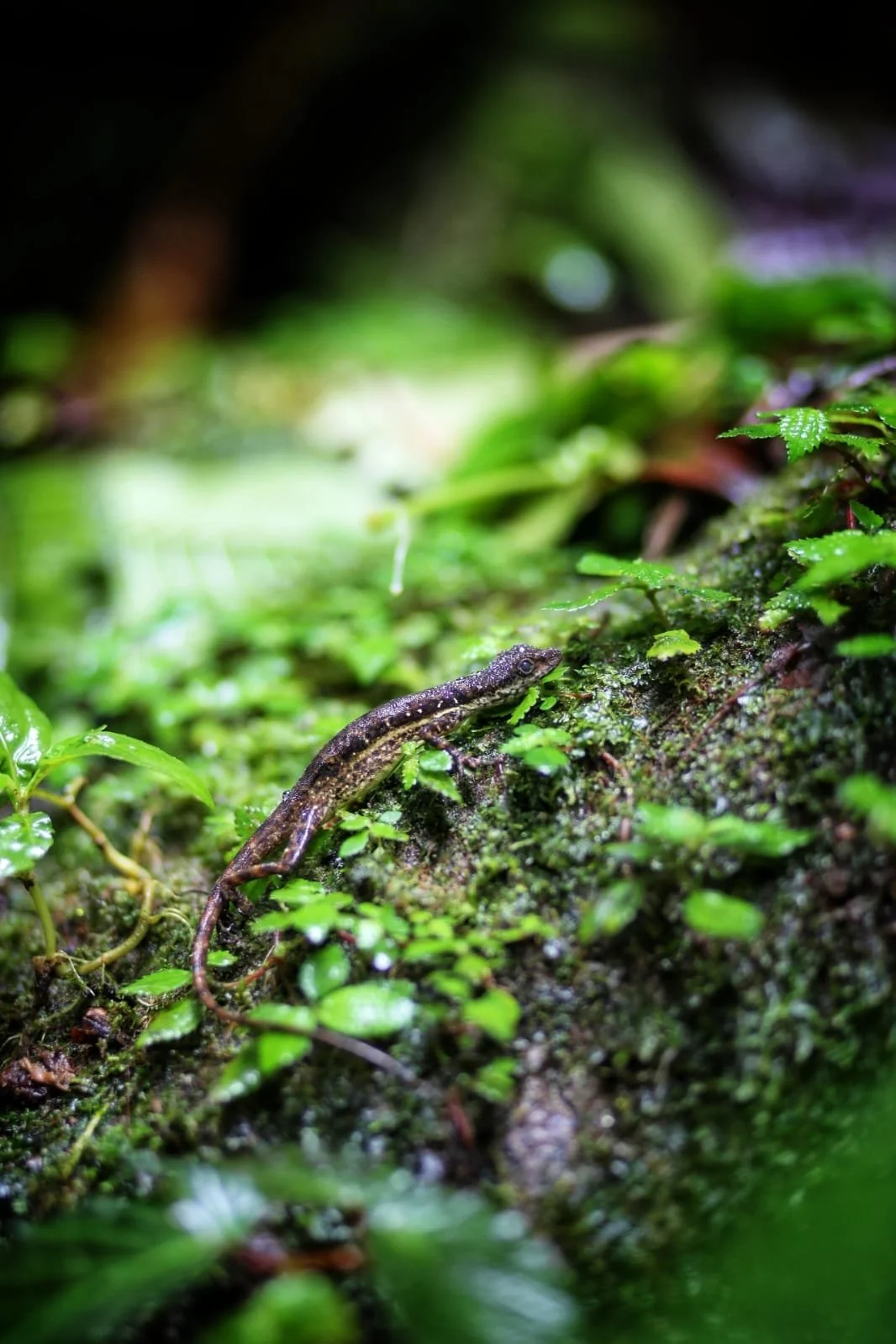
Wildlife enthusiasts will find much to appreciate in the region. The surrounding forests support an extraordinary variety of species. Birds, reptiles, amphibians, mammals, and insects thrive within the area's diverse ecosystems. Rainfall, warm temperatures, and extensive natural habitats create ideal conditions for biodiversity. While wildlife viewing may not be as organized as in some tourism focused destinations, the potential for encounters remains impressive.
Perhaps what makes Changuinola most fascinating is that it represents a version of Panama many travelers never see. It lacks the polished tourism infrastructure of more famous destinations. It does not market itself aggressively to international visitors. It is not trying to be a tropical resort or a backpacker hotspot. Instead, it remains a working city shaped by agriculture, rivers, culture, and geography. That authenticity gives it a character that is increasingly rare in a world where many destinations begin to resemble one another.
For those willing to look beyond the obvious attractions, Changuinola offers a richer understanding of Panama. It reveals the importance of agriculture, the influence of Caribbean culture, the significance of indigenous communities, and the power of tropical landscapes. It shows how rivers, rainfall, and fertile soil can shape an entire region. It demonstrates that some of the country's most interesting stories exist far from its most famous landmarks.
Standing in Changuinola after a tropical rain shower, watching clouds drift above distant mountains while the surrounding landscape glows with impossible shades of green, it becomes clear that this city occupies a special place within Panama. It is a gateway to adventure, a center of culture, a hub of agriculture, and a reminder that some of the most fascinating destinations are often those that travelers initially overlook. While many visitors rush through on their way to somewhere else, Changuinola quietly rewards those who take the time to discover it. In doing so, it reveals a side of Panama that is lush, authentic, complex, and unforgettable.