
Far beyond the skyscrapers of Panama City, beyond the coffee farms of Boquete, and far from the beach towns that appear in travel brochures, there is a place that feels like it belongs to another era of exploration. It is a place where mountains covered in rainforest rise directly from the sea, where rivers cut through some of the least disturbed landscapes in Central America, and where boats remain more important than automobiles. This place is Kusapín, one of the most remote, mysterious, and fascinating communities in all of Panama.
For many travelers, Panama is a country of canals, islands, and tropical beaches. Few realize that hidden along the country's Caribbean coast is a region that remains largely unknown even to many Panamanians. Kusapín exists at the edge of the modern world, in a corner of the nation where geography still dictates daily life and where the landscape often feels larger and more powerful than human activity. Reaching Kusapín is not simply a matter of arriving at a destination. The journey itself becomes part of the experience. Every kilometer traveled toward this remote settlement feels like a step deeper into a forgotten Panama, a Panama of rainforests, rivers, Indigenous culture, and extraordinary natural beauty.
What makes Kusapín so captivating is not one single attraction. There is no famous monument, no giant resort, and no internationally known landmark. Instead, the entire region is the attraction. The forests, the mountains, the sea, the people, the wildlife, and the sense of isolation combine to create an experience unlike almost anywhere else in the country. Visitors often arrive expecting a small coastal town. What they discover is an entirely different world.
Where the Road Gives Way to Water
One of the most remarkable things about Kusapín is how it reminds visitors that there are still places in the twenty first century where roads do not dominate transportation. While much of Panama is connected by highways and paved routes, reaching Kusapín often requires travel by water. Boats move along the coast carrying people, supplies, food, and news between communities scattered across this remote region.
Approaching Kusapín from the sea is an unforgettable experience. The Caribbean stretches endlessly toward the horizon while mountains covered in dense tropical vegetation rise dramatically inland. Clouds drift across jungle covered peaks. Rivers spill out of the mountains and empty into the sea. The landscape feels immense and untamed.
For travelers accustomed to airports, highways, and urban transportation systems, the journey can feel almost like stepping into the past. Yet it also reveals something increasingly rare in the modern world. It reveals a place where nature remains the dominant force and where transportation is shaped by geography rather than convenience.
The approach to Kusapín often leaves a stronger impression than many famous destinations. The combination of sea, rainforest, and mountains creates scenery that feels almost cinematic. It is the kind of landscape that sparks the imagination and makes visitors wonder what lies beyond the next river, the next headland, or the next mountain ridge.
The Kingdom of Rain
Kusapín sits within one of the wettest regions of Panama. Rain is not merely an occasional weather event here. It is one of the architects of the entire landscape. For thousands of years, rainfall has shaped rivers, carved valleys, nourished forests, and supported an astonishing diversity of life.
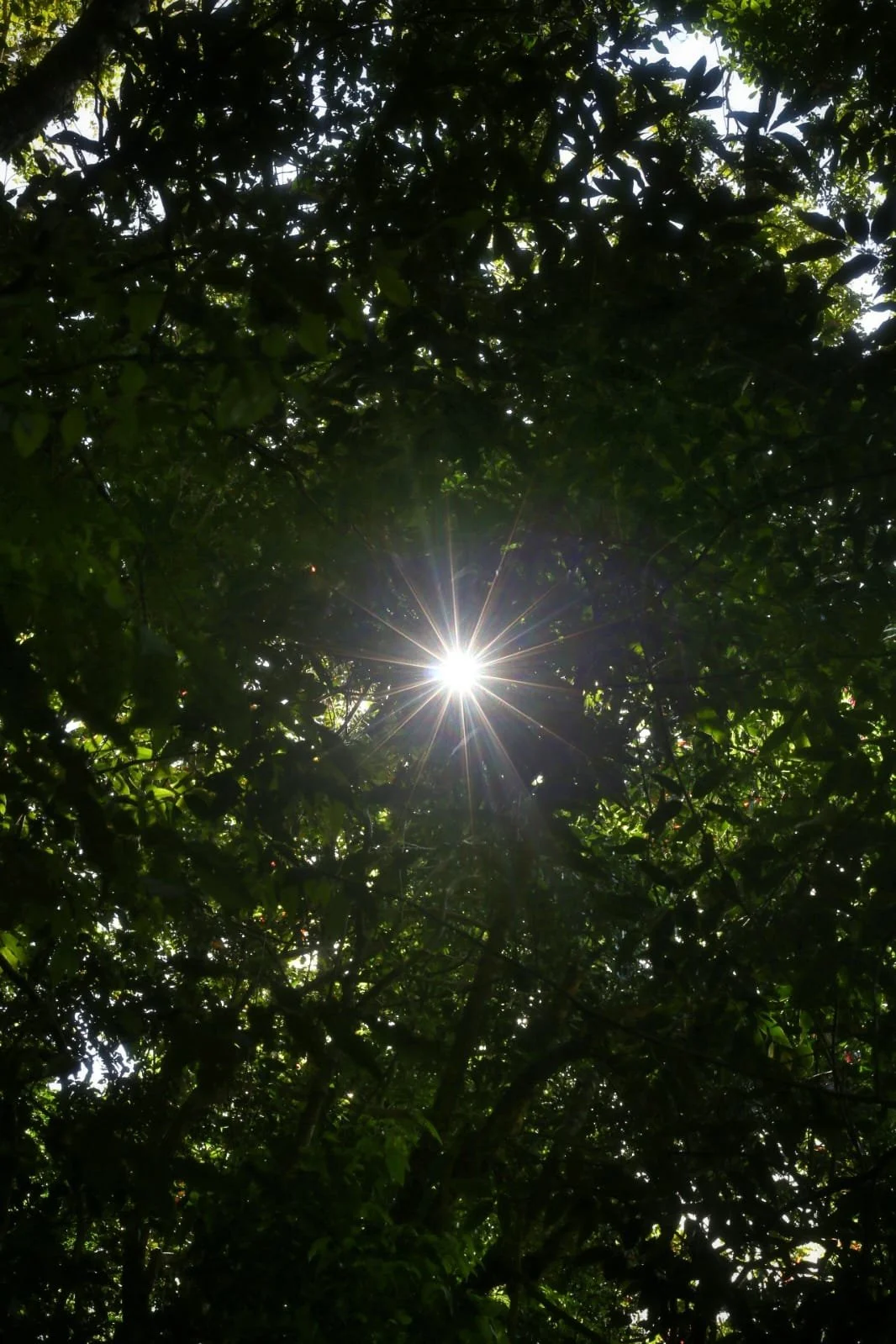
The abundance of water creates a world bursting with vegetation. Trees tower above the forest floor. Giant leaves collect droplets of rain. Mosses cover branches. Orchids cling to trunks. Ferns spread across hillsides. Every surface seems alive.
After a rainfall, the forest appears to glow with shades of green so vivid they seem unreal. Mist often hangs above the trees. Rivers swell with fresh water flowing down from the mountains. The air carries the scent of wet earth, vegetation, and tropical life.
For nature lovers, this environment is a dream. Every walk through the forest reveals something new. Brightly colored insects crawl across leaves. Frogs call from hidden pools. Birds flash through gaps in the canopy. The sheer abundance of life is one of the defining characteristics of the region.
The Homeland of the Ngäbe People
Kusapín is also one of the cultural centers of the Ngäbe people, the largest Indigenous group in Panama. Their presence gives the region a depth and character that extends far beyond its natural beauty.
For centuries the Ngäbe have lived among these mountains, rivers, and coastal landscapes. Their knowledge of the environment is extensive and deeply rooted in generations of experience. Long before maps, satellite imagery, or modern navigation systems existed, local communities understood every river, every mountain pass, and every section of coastline.
Visitors who spend time in the area quickly realize that this is not simply a beautiful place. It is a living cultural landscape. Traditional knowledge continues to play an important role in daily life. Languages, customs, and practices that connect people to their ancestors remain visible throughout the region.
The relationship between community and environment is particularly striking. Rivers are not just waterways. Forests are not just scenery. The landscape is woven into everyday life in ways that can be difficult for outsiders to fully appreciate.
A Forest Filled With Secrets
The forests surrounding Kusapín rank among the most fascinating ecosystems in Panama. While tourists often focus on famous wildlife destinations elsewhere in the country, the forests of this region contain extraordinary biodiversity of their own.
Monkeys move through the canopy searching for fruit. Sloths cling motionless to branches. Colorful birds travel between flowering trees. Reptiles hide among roots and rocks. Insects fill every ecological niche imaginable.
Many visitors are surprised by the sounds of the forest. The jungle is rarely silent. Birds call from distant treetops. Insects produce an endless chorus. Frogs contribute their own voices after dark. Leaves rustle as animals move through the vegetation.
Even experienced travelers often find themselves captivated by the sheer vitality of the environment. Every section of forest seems alive with movement and activity. The deeper one explores, the more apparent it becomes that these forests still contain mysteries waiting to be discovered.
Scientists continue studying the biodiversity of western Panama because many species remain poorly understood. New discoveries are still being made. In some cases, researchers encounter plants, insects, and other organisms that have received little scientific attention.
Rivers That Shape a World
The rivers around Kusapín deserve special attention because they are among the defining features of the region. Flowing from mountain watersheds toward the Caribbean Sea, these rivers support communities, wildlife, and ecosystems across vast areas.
Traveling by river offers a completely different perspective on the landscape. Dense forest lines the banks. Birds perch on overhanging branches. Fish move beneath the surface. The mountains rise in the distance like enormous green walls.
For generations, rivers have served as transportation routes, sources of food, and gathering places for local communities. They connect settlements that might otherwise remain isolated from one another.
Some rivers flow gently through broad valleys while others rush through rocky sections with tremendous force. During periods of heavy rain they can transform dramatically, demonstrating the power of nature in this tropical environment.
To understand Kusapín, one must understand its rivers. They are among the great lifelines of the region.
The Caribbean at Its Wildest
Many Caribbean destinations are famous for luxury resorts, beach bars, and cruise ships. The Caribbean coast around Kusapín tells a very different story.
Here the coastline feels wild. Forests often reach almost to the water's edge. Mountains stand close to the sea. Small beaches appear between rocky points and river mouths. Human development remains limited across much of the region.
The result is a coastal environment that feels remarkably authentic. Visitors are not looking at a carefully managed tourist zone. They are seeing a coastline that retains much of its natural character.
On clear days the Caribbean waters shine in shades of blue and turquoise. Fishing boats move across the horizon. Pelicans dive for fish. The scenery possesses a raw beauty that is becoming increasingly difficult to find elsewhere.
The sea provides food, transportation, and connection between communities. It is an essential part of life in the region and has been for countless generations.
One of Panama's Last Great Adventures
Perhaps the greatest appeal of Kusapín is the sense of discovery it offers. In an age when almost every destination has been photographed from every angle and documented on countless websites, Kusapín still feels genuinely remote.
Travelers who make the effort to reach the region often describe a feeling that is becoming increasingly rare. They feel as though they have found a place that remains true to itself.
There are no massive crowds. There are no towering hotel complexes dominating the landscape. Instead there are forests, rivers, mountains, sea, and communities whose connection to the land remains strong.
Adventure in Kusapín is not manufactured. It emerges naturally from the landscape itself. Every boat trip, every river crossing, every walk through the forest, and every conversation with local residents contributes to an experience that feels authentic and memorable.
The Forgotten Treasure of Panama
Kusapín may never become one of Panama's most famous destinations, and perhaps that is part of its magic. Its appeal lies precisely in the fact that it remains beyond the spotlight. It is a place where nature still feels immense, where culture remains deeply rooted, and where the journey is every bit as rewarding as the destination.
Standing on the Caribbean shore near Kusapín, watching clouds drift across rainforest covered mountains while waves roll onto the coast, it becomes clear that this corner of Panama offers something increasingly precious. It offers the opportunity to experience a landscape that has not been reshaped for mass tourism. It offers a glimpse into cultures that maintain strong connections to their history. It offers adventure, beauty, and a sense of wonder.
For those willing to venture beyond the familiar, Kusapín is not simply another destination on a map. It is one of Panama's great hidden treasures, a place where the spirit of exploration still feels alive and where every river, mountain, and stretch of coastline seems to invite another discovery.