
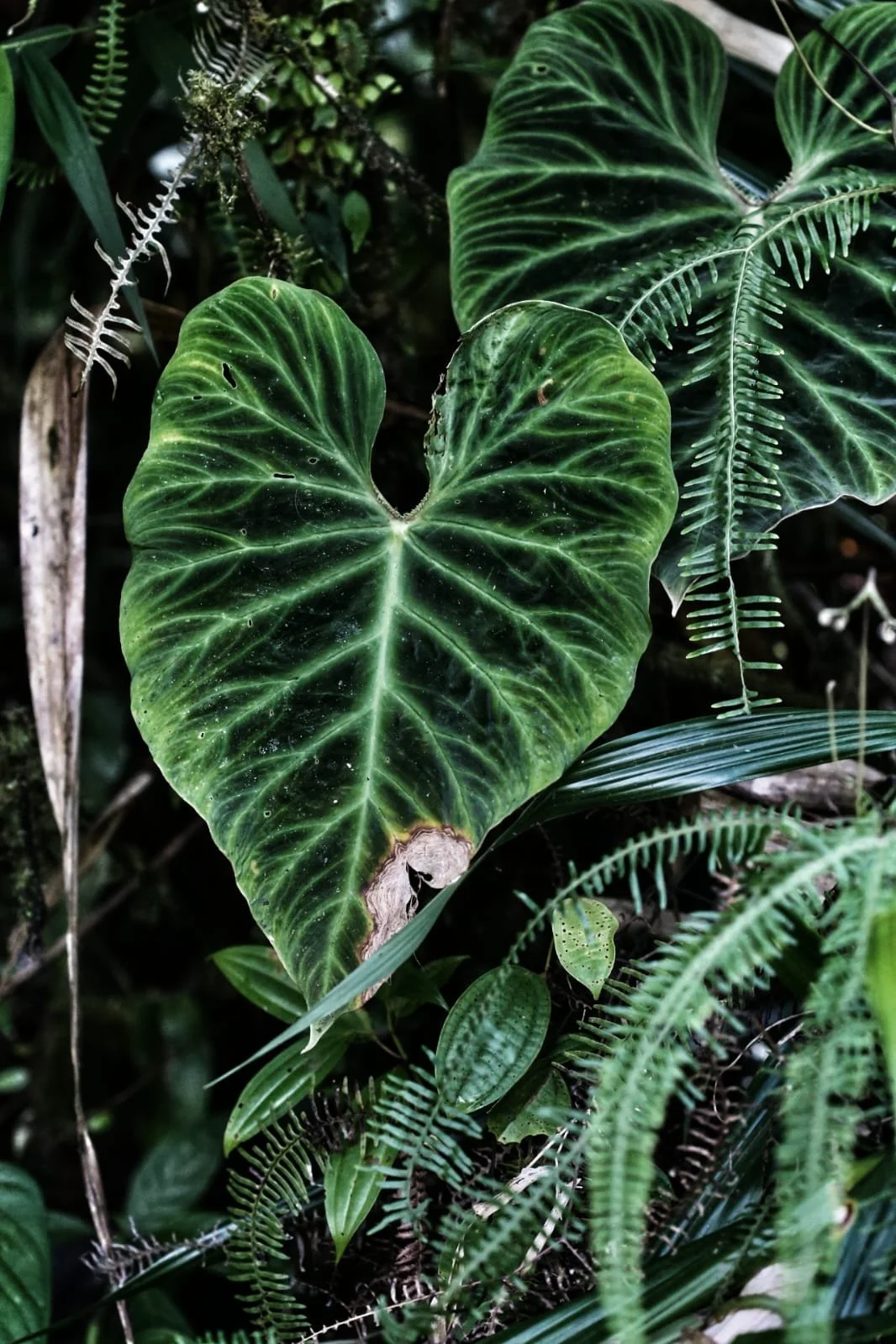
Among the many remarkable cultures that make Panama one of the most fascinating countries in the Americas, few capture the imagination quite like the Emberá people. Living along winding jungle rivers, surrounded by some of the most biodiverse forests on Earth, the Emberá have developed a way of life that is deeply connected to water, wildlife, community, and the rainforest itself. Their story is not merely an Indigenous story. It is a story about humanity's relationship with nature, about survival in one of the world's richest environments, and about a people whose knowledge of the tropical forest rivals that of any scientist, explorer, or naturalist.
For many visitors arriving in Panama, the country is often associated with the famous Panama Canal, the modern skyline of Panama City, or the beaches and islands scattered across two oceans. Yet beyond the highways and cities lies a very different Panama. It is a Panama of rivers instead of roads, dugout canoes instead of traffic, towering ceiba trees instead of skyscrapers, and villages where traditions continue to shape daily life. It is within this world that the Emberá have lived for generations, maintaining one of the most distinctive and fascinating cultures in Central America.
The Emberá are primarily found in eastern Panama, especially in regions associated with the vast wilderness of Darién National Park and along numerous rivers that flow through dense tropical forests. Some communities are relatively accessible to visitors, while others remain deep within remote jungle regions where the forest still dominates the landscape. Their homeland contains some of the largest remaining expanses of tropical rainforest in Central America, a place where jaguars still roam, harpy eagles soar above the canopy, monkeys travel through the treetops, and countless species of plants and animals thrive.
To understand the Emberá, one must first understand the rainforest. The forest is not simply where they live. It is woven into every aspect of culture, history, identity, and daily existence. The rainforest provides food, medicine, transportation routes, building materials, stories, traditions, and knowledge. It is classroom, pharmacy, supermarket, workshop, and spiritual landscape all at once. Generations of Emberá families have learned to read the forest in ways that outsiders often find astonishing. A skilled Emberá hunter can notice signs that most visitors would never see. A knowledgeable elder may identify dozens of medicinal plants along a trail that appears ordinary to someone unfamiliar with the jungle. What seems like an overwhelming mass of vegetation to an outsider is, to the Emberá, a living library filled with information accumulated over centuries.
Perhaps the most defining feature of Emberá life is the river. Throughout much of the world, rivers are obstacles that people build bridges to cross. For the Emberá, rivers are pathways that connect communities, families, and landscapes. Historically, rivers served as the primary transportation network throughout much of eastern Panama. Long before roads penetrated these forests, people traveled by canoe. Goods moved by water. News traveled by water. Families visited one another by water. The river was the artery through which life flowed.
One of the most iconic symbols of Emberá culture is the dugout canoe. Carved from large tree trunks using skills passed through generations, these canoes represent far more than transportation. They are masterpieces of practical engineering adapted perfectly to the rainforest environment. Gliding silently along jungle rivers, they allow access to places that remain inaccessible by road even today. Travelers visiting Emberá communities often remember the canoe journey as one of the highlights of the experience. Drifting beneath arching branches while tropical birds call from the forest and monkeys move through the canopy creates an unforgettable sense of entering another world.
The Emberá have long been known for their remarkable craftsmanship. Basket weaving, wood carving, jewelry making, and textile work are important aspects of cultural expression. Emberá baskets in particular are celebrated for their intricate patterns and extraordinary quality. Created using natural fibers gathered from the forest, some baskets require immense patience and skill to complete. The designs often reflect elements of nature, including animals, plants, rivers, and geometric patterns inspired by the surrounding environment. These works are not simply decorative objects. They represent generations of artistic knowledge and cultural identity.
Traditional Emberá clothing has also attracted considerable interest. Women often wear brightly colored skirts adorned with vibrant patterns, while body art created from the jagua fruit remains an important cultural practice. The dark temporary dye produced by jagua has been used for centuries. The resulting designs may include geometric shapes, representations of animals, or patterns connected to cultural traditions. For visitors, seeing these intricate designs often becomes one of the most memorable aspects of encountering Emberá culture.
The Emberá language represents another important part of their heritage. Language preserves history, knowledge, humor, stories, and unique ways of understanding the world. Within every Indigenous language exists a vast collection of information about local environments accumulated over generations. Many words and concepts reflect observations of nature that have been refined through centuries of experience. Preserving language therefore means preserving an entire worldview. For the Emberá, maintaining their language is inseparable from maintaining their identity.
Food provides another fascinating window into Emberá life. Traditional diets historically relied heavily on fish, plantains, yuca, fruits, and other resources obtained from rivers and forests. Fishing remains an important activity in many communities. Rivers provide a variety of species that have supported local populations for generations. Plantains serve as a staple food and are prepared in numerous ways. Tropical fruits appear throughout the year, adding variety and nutrition. The result is a cuisine shaped directly by the surrounding environment.
What often surprises visitors most is the extraordinary depth of ecological knowledge held by many Emberá communities. Scientists may spend years studying a particular ecosystem, yet local residents frequently possess generations of observations regarding animal behavior, seasonal changes, plant uses, river conditions, and environmental patterns. This knowledge is practical, detailed, and deeply rooted in experience. An Emberá guide walking through the forest may identify birds by sound alone, explain which plants have medicinal properties, describe animal movements, and point out signs of wildlife that most people would never notice. Such expertise highlights the value of Indigenous knowledge systems and their importance for understanding tropical ecosystems.
The wildlife of Emberá territory is among the richest in the Americas. Forests inhabited by the Emberá contain species that many travelers dream of seeing. Jaguars move through remote regions as apex predators. Tapirs wander along forest trails. Howler monkeys fill the jungle with their powerful calls. Spider monkeys travel through the canopy with astonishing agility. Sloths cling to branches above rivers. Toucans, parrots, macaws, and countless other birds contribute color and sound to the landscape. Reptiles, amphibians, insects, and fish add even greater diversity. For the Emberá, these animals are not merely wildlife. They are part of a shared environment that has shaped culture and daily life for centuries.
The history of the Emberá is also a story of resilience. Like Indigenous peoples throughout the Americas, they experienced enormous changes following European arrival. Yet many Emberá communities retained strong connections to their traditional territories and ways of life. Their relative isolation within forested regions helped preserve cultural practices that might otherwise have disappeared. Over time they adapted to changing circumstances while maintaining core elements of their identity. This ability to adapt without losing cultural continuity remains one of the most remarkable aspects of Emberá history.
Today, many Emberá communities participate in cultural tourism, providing visitors with opportunities to learn about traditional practices, music, dance, crafts, and rainforest knowledge. When conducted respectfully, such tourism can provide economic benefits while supporting cultural preservation. For travelers, these visits often become transformative experiences. Many arrive expecting to see a village. They leave with a deeper appreciation for Indigenous knowledge, environmental stewardship, and alternative ways of understanding humanity's place within nature.
The future of the Emberá will undoubtedly involve balancing tradition and modernity. Younger generations increasingly interact with the broader world through education, technology, and economic opportunities. At the same time, there remains a strong desire within many communities to preserve language, cultural practices, environmental knowledge, and connections to ancestral territories. This balancing act is not unique to the Emberá. Indigenous communities around the world face similar challenges as they navigate a rapidly changing century.
What makes the Emberá especially fascinating is that they offer a glimpse into a relationship with the natural world that has become increasingly rare. In many parts of the modern world, people live largely separated from the ecosystems that support them. Food arrives from distant places. Water emerges from taps. Buildings shield people from weather and seasons. For the Emberá, the connection between people and environment remains far more immediate. Rivers matter. Forests matter. Wildlife matters. Seasonal changes matter. Knowledge of the land remains valuable.
Standing on the bank of a jungle river in Emberá territory, watching a canoe emerge from the morning mist while the sounds of the rainforest echo through the trees, it becomes clear why this culture continues to fascinate visitors from around the world. The Emberá are not relics of the past. They are a living people whose traditions, knowledge, and resilience continue to shape their future. Their story is inseparable from the rivers they travel, the forests they know so intimately, and the extraordinary landscapes they have called home for generations.
In a nation celebrated for engineering achievements, tropical islands, and incredible biodiversity, the Emberá represent something equally important. They remind us that Panama's greatest treasures are not only found in its landscapes but also in the cultures that have learned to live within those landscapes for centuries. Their knowledge, artistry, history, and connection to the rainforest make them one of the most fascinating peoples in the Americas and one of the most compelling stories in all of Panama.