
Few subjects generate more questions from visitors planning a trip to Panama than mosquitoes. Browse travel forums, social media groups, or backpacker discussions, and you will quickly encounter a mixture of warnings, horror stories, exaggerated fears, and conflicting advice. Some travelers describe Panama as if it were a mosquito-infested wilderness where stepping outside guarantees dozens of bites within minutes. Others claim they barely noticed mosquitoes at all during their travels. The reality, as is often the case, lies somewhere in the middle. Panama certainly has mosquitoes. It is a tropical country with abundant rainfall, extensive forests, countless rivers, mangrove swamps, wetlands, coastlines, and warm temperatures throughout the year. These conditions create ideal mosquito habitat. However, the experience most travelers actually have is usually far less dramatic than many expect. Understanding the truth about mosquitoes in Panama requires looking at geography, climate, seasonality, health considerations, and the practical realities of daily life across the country.
The first thing visitors should understand is that Panama is incredibly diverse. Although many people imagine the country as one continuous tropical jungle, the reality is far more varied. The climate and mosquito populations differ significantly depending on where you are. The modern urban districts of Panama City feel completely different from the cloud forests of the highlands, the islands of the Caribbean coast, the mangroves of the Pacific shoreline, or the dense rainforests near the Colombian border. A traveler spending a week in the air-conditioned districts of Panama City will likely have a very different mosquito experience than someone camping beside a jungle river deep within a remote national park.
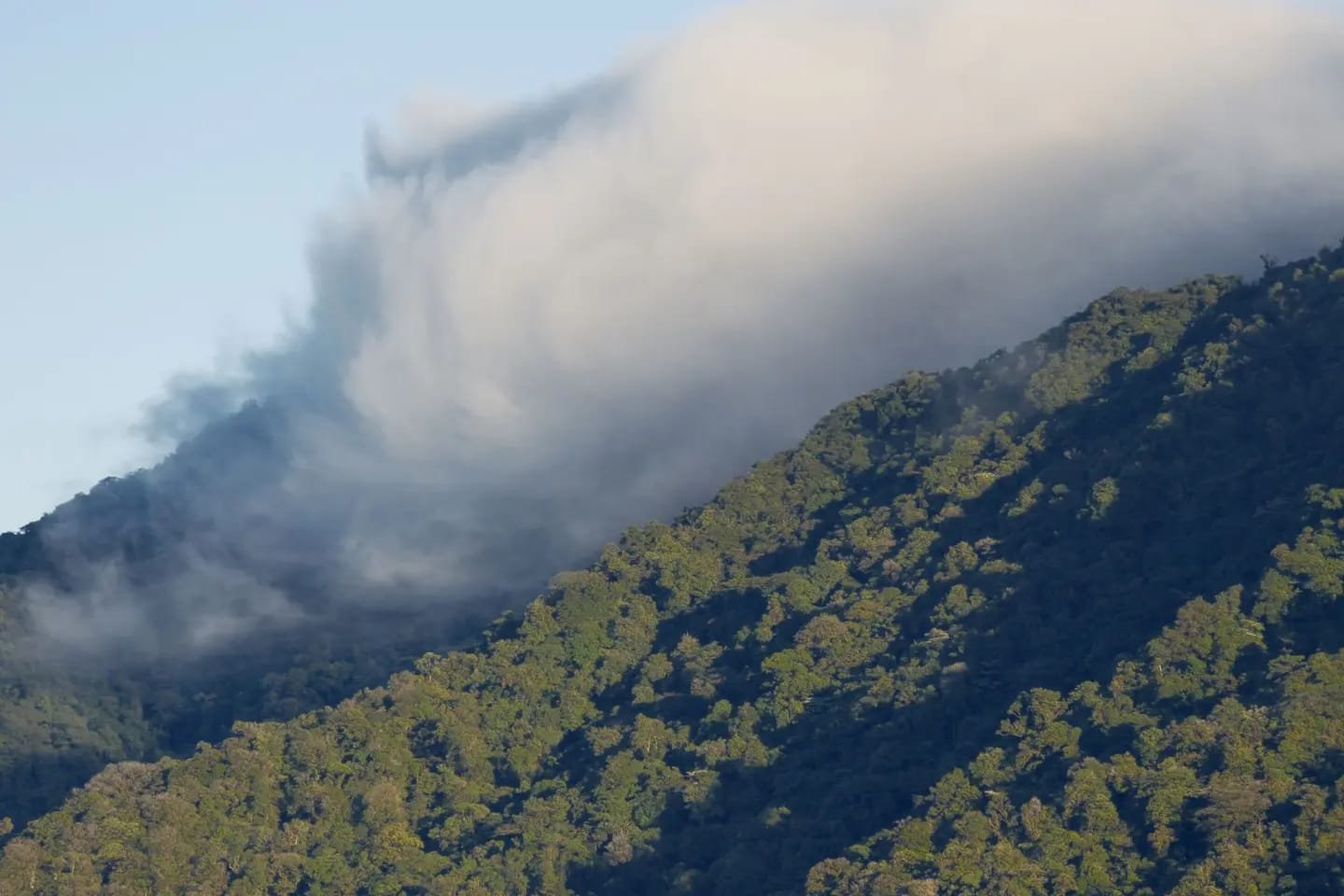
One of the biggest surprises for many visitors is that Panama's higher elevations often have far fewer mosquitoes than the lowland tropical areas. Destinations such as Boquete, the surrounding highlands, and cloud forest regions enjoy cooler temperatures that naturally limit mosquito activity. Many travelers who arrive expecting constant mosquito battles are amazed by how comfortable evenings can be in the mountains. Cooler air slows mosquito activity, and in some highland areas visitors may go days with little need for insect repellent. This is one reason why the highlands have become so popular among both tourists and expatriates. The climate is not only cooler for people but less favorable for many mosquito species.
The Caribbean coast presents a different picture. Areas such as Bocas del Toro can experience higher mosquito activity, particularly around mangroves, lagoons, and after periods of rainfall. Yet even here, the situation varies dramatically from one location to another. A breezy beach may have remarkably few mosquitoes, while a sheltered area near standing water can be much more active. Wind is one of the mosquito's greatest enemies. Travelers quickly discover that an ocean breeze can dramatically reduce mosquito activity even in tropical environments.
Rainfall plays an enormous role in mosquito populations. Panama's rainy season generally creates more breeding opportunities because mosquitoes require water to reproduce. Female mosquitoes lay their eggs in standing water, and heavy rains create countless temporary breeding sites. However, even this relationship is more complicated than many assume. Extremely heavy rainfall can sometimes wash away mosquito larvae, while periods immediately following rain often create the greatest increases in mosquito numbers. Timing matters. Travelers arriving shortly after prolonged rains may encounter more mosquitoes than those visiting during drier periods.
One reason mosquitoes receive so much attention in Panama is because they are associated with certain diseases. This is where facts become particularly important. Panama has made significant public health improvements over the decades. The country is not experiencing the widespread mosquito-borne disease crises that some travelers mistakenly imagine. Nevertheless, diseases such as dengue fever do occur and deserve awareness. Dengue is transmitted primarily by the Aedes mosquito, which is particularly interesting because it often bites during daylight hours rather than exclusively at dawn and dusk like many other mosquito species. Public health authorities actively monitor and manage outbreaks, and mosquito control efforts are common in urban areas.
Historically, mosquitoes played a surprisingly important role in Panama's history. During the construction of the Panama Canal, mosquito-borne diseases represented one of the greatest obstacles facing workers and engineers. Malaria and yellow fever devastated early construction efforts during the French attempt in the late nineteenth century. It was only after aggressive mosquito control measures were introduced that large-scale construction became viable. Draining standing water, improving sanitation, screening buildings, and reducing mosquito breeding sites helped transform public health conditions. The success of these efforts remains one of the most significant disease control achievements in modern history and directly contributed to the eventual completion of the canal.
Visitors are often surprised to learn that not all mosquitoes are equally interested in humans. Scientists have identified thousands of mosquito species worldwide, but only a relatively small percentage regularly bite people. Factors such as body heat, carbon dioxide production, skin chemistry, movement, clothing color, and even genetics can influence how attractive an individual appears to mosquitoes. This explains why one traveler may emerge from an evening outdoors covered in bites while another standing beside them remains almost untouched. Mosquitoes are surprisingly selective.
The time of day also matters tremendously. Many mosquito species become most active during dawn and dusk when temperatures are cooler and humidity is higher. This means that someone hiking through a rainforest at midday may experience far fewer bites than someone sitting outdoors at sunset. Travelers who understand these activity patterns can often reduce their exposure significantly through simple timing adjustments rather than relying entirely on repellents.
The honest truth is that most visitors to Panama experience mosquitoes as an occasional annoyance rather than a major problem. Backpackers exploring remote jungles, camping in wilderness areas, or spending extended periods near wetlands will naturally encounter more mosquitoes than tourists staying primarily in cities, beach towns, or mountain destinations. Yet even among adventurous travelers, mosquitoes rarely dominate the experience. Panama's extraordinary wildlife, beautiful landscapes, waterfalls, beaches, islands, coffee farms, cloud forests, and cultural attractions tend to leave far stronger impressions than insect bites.
Practical precautions remain sensible. Lightweight long sleeves during peak mosquito activity periods can help. Insect repellent is widely available throughout Panama and is commonly used by both locals and visitors. Accommodations ranging from hostels to hotels frequently provide screened rooms, fans, air conditioning, or mosquito nets where appropriate. These simple measures dramatically reduce the likelihood of problems. Most experienced travelers quickly develop habits that allow them to enjoy the outdoors comfortably.
Interestingly, some of Panama's most beloved destinations naturally reduce mosquito concerns. Mountain areas often benefit from cooler temperatures. Windy beaches frequently discourage mosquito activity. Urban districts undergo regular mosquito control efforts. Even in rainforest environments, mosquito abundance can vary dramatically depending on weather conditions, elevation, season, and local geography. The result is that mosquito experiences differ far more than many travelers expect.
For those visiting places like the highlands around Boquete, mountain regions near the famous Lost and Found Hostel, or cooler cloud forest environments, mosquitoes often rank surprisingly low on the list of concerns. Travelers frequently arrive prepared for relentless insect attacks only to discover that cool evenings and higher elevations create remarkably comfortable conditions. This does not mean mosquitoes disappear entirely, but it does highlight how varied Panama's environments truly are.
Perhaps the most important fact of all is that fear of mosquitoes should not discourage anyone from experiencing Panama. The country's natural beauty is extraordinary. It contains more bird species than the United States and Canada combined. It serves as a biological bridge connecting two continents. It offers beaches on both the Caribbean Sea and Pacific Ocean. It contains rainforests, cloud forests, volcanic highlands, indigenous territories, coral reefs, islands, rivers, and some of the richest biodiversity found anywhere on Earth. Millions of people visit and enjoy these environments every year without mosquito concerns becoming a major issue.
The honest truth is neither alarmist nor dismissive. Yes, mosquitoes exist in Panama. Yes, travelers should take reasonable precautions. Yes, mosquito-borne diseases occur and awareness is important. But for the overwhelming majority of visitors, mosquitoes are simply one small aspect of life in a tropical country rather than a serious obstacle to enjoyment. Most travelers eventually discover that the sounds they remember most from Panama are not mosquitoes buzzing around their ears but howler monkeys calling through distant forests, waves breaking on tropical beaches, rain falling on jungle leaves, and birds singing at dawn. Mosquitoes may be part of the Panamanian experience, but they are rarely the part people remember when they look back on an unforgettable journey through one of the most beautiful countries in the Americas.