
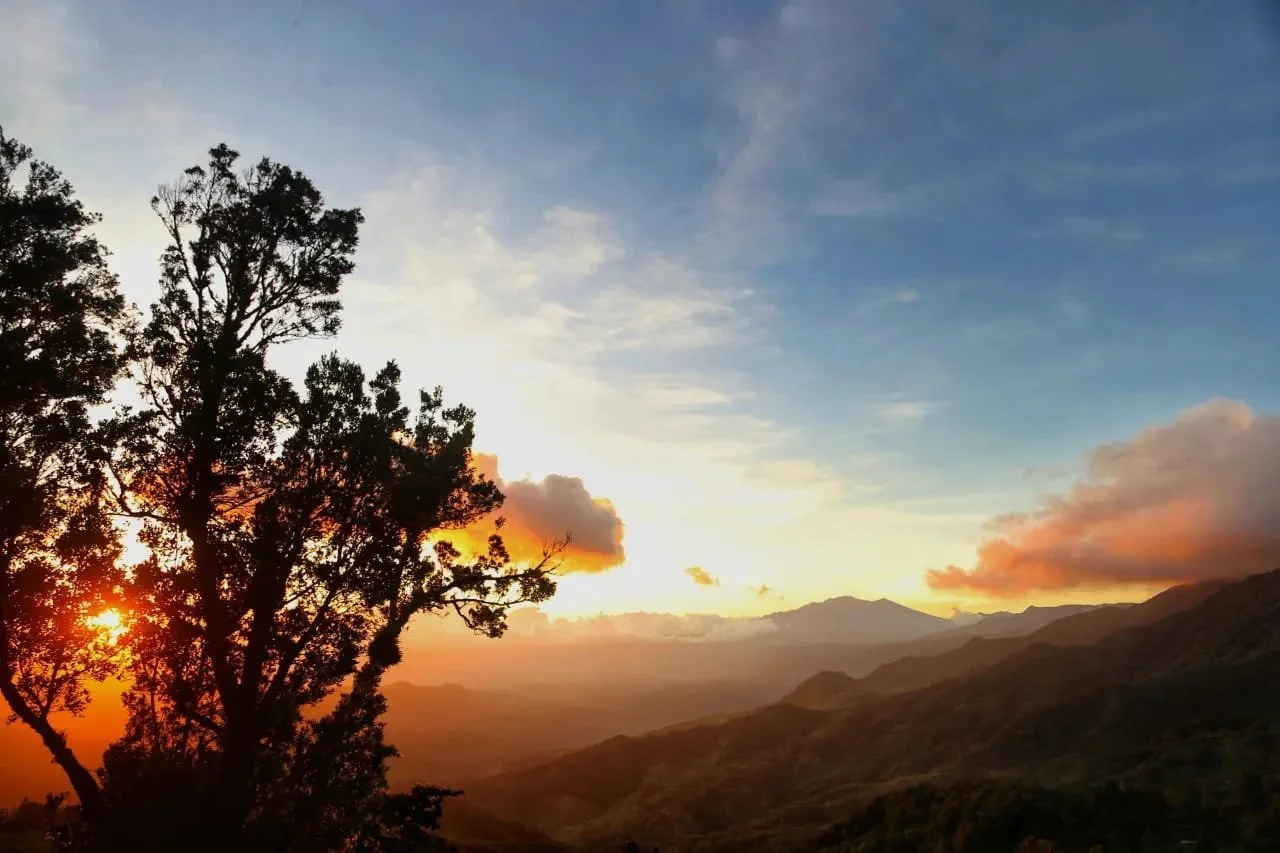
Panama is often introduced to the world through its famous canal, gleaming skyline, and strategic position between two oceans, but the country's greatest treasure is neither concrete nor steel. It is nature. Stretching between Central and South America, Panama sits at one of the most biologically important crossroads on Earth. Mountains, cloud forests, rainforests, coral reefs, mangrove swamps, volcanic highlands, remote islands, and wildlife-rich coastlines are packed into a country small enough to cross in a day. The result is an astonishing concentration of natural wonders. Visitors are often surprised by how quickly the landscape changes. One morning you can be standing among cool mountain forests wrapped in mist, and by afternoon you can be snorkeling over coral reefs or watching monkeys swing through jungle trees. For travelers who love nature, Panama is one of the most rewarding destinations in the Americas, offering experiences that remain far less crowded than many famous destinations in Costa Rica, Mexico, or Colombia.
The Chiriquí Highlands and the Lost World Above the Clouds
The highlands of western Panama are arguably the country's most dramatic natural region. Rising thousands of feet above sea level, these mountains create a completely different world from the tropical beaches and lowland rainforests that many visitors expect. The air becomes cooler, the forests become greener, and clouds drift through the trees like slow rivers of mist. Around the town of Boquete, visitors can hike through forests filled with orchids, hummingbirds, waterfalls, and moss-covered trees that look as though they belong in a fantasy novel. Towering above everything is Volcán Barú, the highest mountain in Panama. On exceptionally clear mornings, hikers who reach the summit before sunrise can witness one of the rarest views on Earth: both the Pacific Ocean and the Caribbean Sea visible from the same location. The slopes of Barú support unique ecosystems that exist nowhere else in the country, and many species found here are more commonly associated with the cooler mountains of Central America than with tropical Panama.
One of the most remarkable areas in these highlands is the region surrounding Lost and Found Hostel. Located between Boquete and Bocas del Toro, this area sits amid forests that form part of an important biological corridor connecting mountain ecosystems with lower tropical forests. The trails around the property wind through dense vegetation where visitors regularly encounter monkeys, colorful birds, frogs, and an astonishing variety of insects. The surrounding forests are so biologically rich that scientists continue to document species in the region, and nearby mountain habitats have produced discoveries of reptiles and amphibians that were previously unknown to science. At night, the forest transforms into an entirely different world as frogs call from hidden streams, insects emerge from every direction, and nocturnal animals begin their daily routines.
Coiba: Panama's Wildest Island Paradise
Far off Panama's Pacific coast lies one of the greatest natural treasures in the entire tropical eastern Pacific: Coiba National Park. Often compared to the Galápagos, Coiba remained isolated from the mainland for thousands of years, allowing wildlife and ecosystems to develop with minimal human disturbance. For much of the twentieth century, the island housed a penal colony, which inadvertently protected it from development. Today visitors encounter a place that feels wonderfully untouched. Vast rainforests descend directly to pristine beaches. Crystal waters teem with marine life. Coral reefs support turtles, rays, sharks, and huge schools of fish. During migration seasons, humpback whales pass through nearby waters, while whale sharks occasionally appear in the surrounding seas. The island's isolation has allowed many species to evolve separately from mainland populations, making it one of the most important conservation areas in Central America.
The experience of arriving at Coiba is unforgettable. Dense jungle covers steep hills right down to the shoreline, creating a landscape that resembles scenes from nature documentaries. Snorkeling often reveals sea turtles gliding through clear water, while offshore reefs support some of the richest marine biodiversity in the region. Above the waterline, scarlet macaws, monkeys, and countless bird species inhabit the forest canopy. Unlike many tropical islands elsewhere in the world, Coiba still feels genuinely wild, and that sense of wilderness is becoming increasingly rare in modern travel.
Bocas del Toro and the Caribbean Dream
For many travelers, the most beautiful coastal scenery in Panama can be found in the archipelago of Bocas del Toro. Here the Caribbean unfolds as a maze of islands, mangroves, coral reefs, beaches, and jungle-covered hills. Unlike the dry Pacific coast, Bocas receives abundant rainfall that keeps vegetation lush and intensely green throughout the year. Dolphins frequently swim through protected bays. Sloths cling to branches above coastal roads. Brightly colored poison dart frogs inhabit rainforest trails on Isla Bastimentos, while coral reefs support a wide variety of tropical fish.
One of the most striking aspects of Bocas is the incredible diversity packed into a relatively small area. Visitors can spend the morning exploring coral reefs, the afternoon walking through rainforest, and the evening watching the sunset from a beach lined with coconut palms. Areas such as Red Frog Beach, Dolphin Bay, Starfish Beach, and the remote coastlines of Bastimentos offer entirely different experiences despite being only a short boat ride apart. The combination of marine and terrestrial ecosystems makes Bocas one of the most complete nature destinations in Panama.
El Valle de Antón: A Town Inside a Volcano
One of Panama's most unique natural settings is El Valle de Antón, a mountain town built within the crater of an ancient volcano. Very few places in the world offer the chance to stay inside a volcanic caldera while surrounded by cloud forest, waterfalls, and mountain scenery. The fertile volcanic soils support rich vegetation and abundant wildlife, while the cooler climate provides relief from the tropical heat of the lowlands.
Around El Valle, trails lead to waterfalls hidden in the forest, panoramic viewpoints overlooking the crater walls, and habitats supporting a remarkable variety of birds and amphibians. The region is particularly famous among birdwatchers because species from both lowland and highland environments can often be found within a relatively small area. The surrounding forests create an atmosphere that feels far removed from Panama City despite being only a few hours away.
Darién: The Last Great Wilderness
The most legendary wilderness in Panama is undoubtedly Darién National Park. This immense region of rainforest near the Colombian border represents one of the largest remaining stretches of intact tropical forest in the Americas. Vast rivers cut through dense jungle. Mountains rise from endless green canopies. Wildlife flourishes in areas where human presence remains extremely limited.
Darién supports jaguars, harpy eagles, tapirs, monkeys, crocodiles, and hundreds of bird species. The sheer scale of the landscape is difficult to comprehend. In many places the forest extends uninterrupted for dozens of miles. Scientists continue to study the region because new discoveries remain possible in such remote habitats. While travel here requires careful planning and is far more challenging than visiting other destinations in Panama, those who experience Darién often describe it as one of the last places in the Americas where true wilderness still dominates the landscape.
Santa Fe: Panama's Hidden Mountain Treasure
Among nature lovers, Santa Fe is increasingly recognized as one of Panama's most beautiful yet underrated destinations. Surrounded by mountains and forests, Santa Fe offers a quieter alternative to the more famous highland regions. Crystal-clear rivers flow through valleys lined with dense vegetation. Waterfalls plunge into natural pools. Trails wind through forests where birds, butterflies, and mammals thrive.
The beauty of Santa Fe lies partly in its authenticity. Tourism remains relatively small-scale, allowing visitors to experience a side of Panama that feels untouched by large developments. The surrounding mountains create endless opportunities for exploration, and many travelers leave wondering why the region is not better known internationally.
The Pearl Islands and the Pacific Coast
Off the Pacific coast lies the beautiful archipelago known as the Pearl Islands. These islands combine white-sand beaches, tropical forests, and rich marine ecosystems. During whale migration season, humpback whales can often be observed in surrounding waters, creating one of the most memorable wildlife spectacles in Panama.
The Pacific coast itself offers incredible scenery, from the surfing beaches near Santa Catalina to the wildlife-rich mangroves and estuaries that support birds, crocodiles, and marine life. The coastline demonstrates how varied Panama's environments truly are, with landscapes changing dramatically from one region to another.
Why Panama May Be the Most Underrated Nature Destination in the Americas
What makes Panama extraordinary is not simply the quality of any single natural attraction. It is the sheer concentration of ecosystems packed into such a small country. Few places on Earth allow travelers to experience cloud forests, active volcanic landscapes, tropical islands, coral reefs, whale migrations, mangrove forests, remote jungles, and two completely different oceans within a single journey. Whether standing atop Volcán Barú at sunrise, snorkeling among the reefs of Coiba, wandering the forests around Lost and Found, exploring the islands of Bocas del Toro, or venturing into the wilderness of Darién, visitors quickly realize that Panama's greatest attraction is the natural world itself. It is a country where nature still feels dominant, where wildlife remains abundant, and where some of the most beautiful landscapes in the Americas can still be experienced without overwhelming crowds. For anyone seeking authentic adventure and unforgettable scenery, Panama remains one of the world's great hidden treasures.