
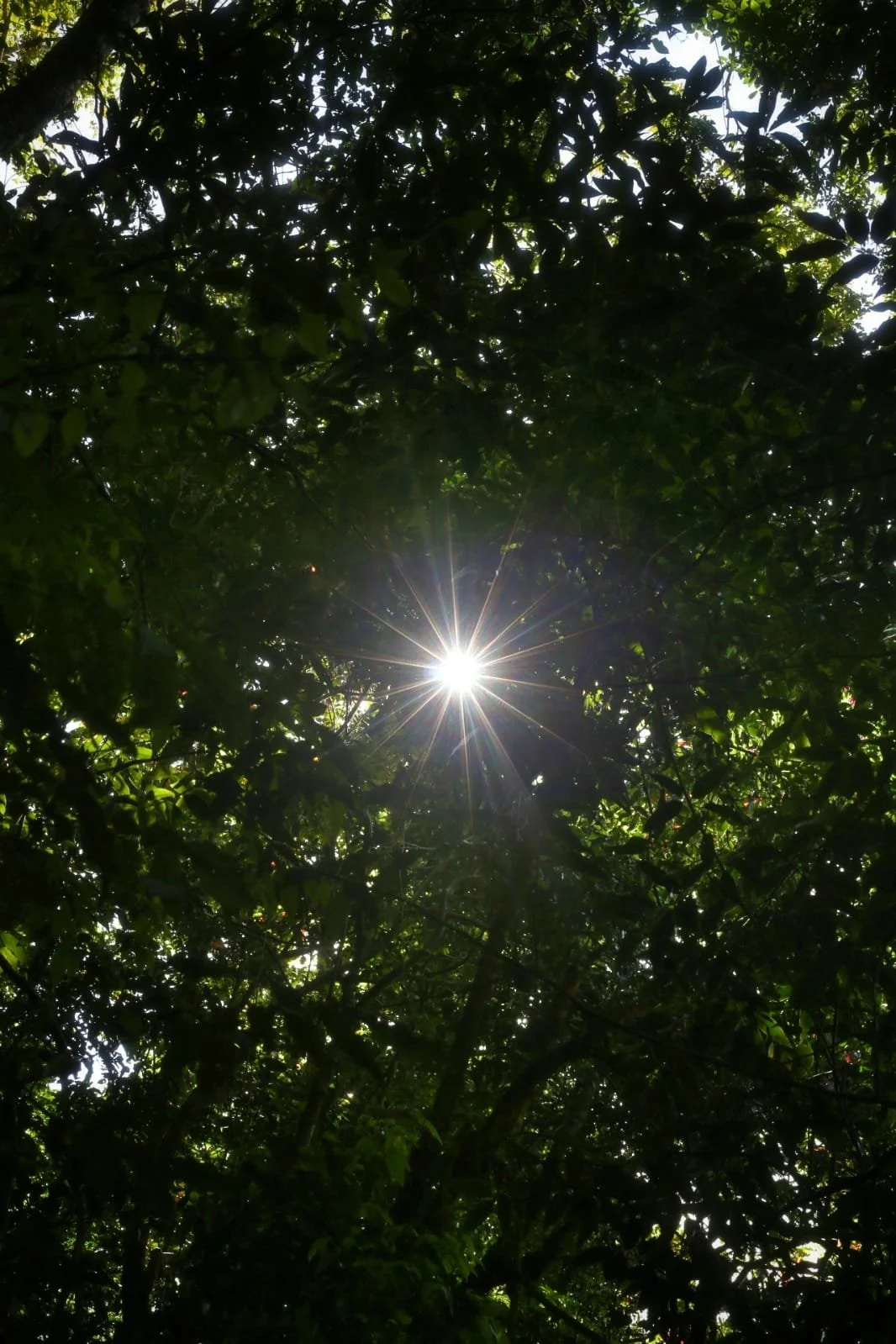
There is something deeply exciting about walking through a rainforest and knowing that somewhere nearby lives a predator you will probably never see. The forest seems different when you realize that hidden among the vines, towering trees, tangled roots, waterfalls, rivers, and mountain ridges are animals that have spent millions of years perfecting the art of hunting. Every sound suddenly feels more mysterious. Every shadow seems to hide a secret. Every muddy footprint becomes a clue. Panama's rainforests are among the most biodiverse places on Earth, but beneath all the attention given to monkeys, sloths, toucans, macaws, frogs, and butterflies lies another story. It is the story of the predators. It is the story of the wild cats.
Panama is one of the very few countries in the Americas where an entire community of feline hunters still survives. Deep in the forests roam jaguars, pumas, ocelots, margays, jaguarundis, and oncillas. Some are powerful enough to kill a caiman. Others are so small that they can disappear through vegetation without disturbing a single leaf. Together they form one of the most remarkable predator networks on the planet. Most travelers who visit Panama will never see one of these cats in the wild. In fact, many people who spend their lives in rural areas never encounter them directly. Yet that does not mean they are absent. Quite the opposite. They are there. Watching. Moving. Hunting. Living hidden lives in forests that still retain much of their ancient character. The realization that these cats continue to thrive in Panama is one of the most thrilling facts about the country.
For thousands of years these predators have ruled the rainforest. They were stalking prey long before the first roads crossed the mountains. They hunted along rivers before the first ships passed through the canal. They moved through the Darién before any borders existed. They are among the oldest symbols of wilderness in the Americas, and even today they remain among the most difficult animals on Earth to observe.
A Country Built for Predators
To understand why Panama supports so many cats, it helps to understand the landscape itself. Panama may appear small on a map, but it contains an extraordinary range of habitats packed into a narrow strip of land. Within only a few hours of travel, the environment can change dramatically. Dense Caribbean rainforests give way to cool cloud forests. Mangrove swamps transition into mountain valleys. Coastal wetlands blend into jungle-covered hills. This diversity creates opportunities for wildlife on a scale that surprises many visitors.
The country's position between North and South America is equally important. Millions of years ago, when the Isthmus of Panama rose from the sea, it connected two continents that had previously been separated. Animals from both directions began moving across this natural bridge. Some species from the north pushed southward. Others from the south expanded northward. The result was one of the most important biological exchanges in Earth's history. Predators arrived. Prey arrived. Competition intensified. Evolution accelerated. Entire ecosystems were reshaped.
The descendants of those ancient travelers still live in Panama today. Jaguars patrol remote forests. Pumas roam mountain ridges. Ocelots hunt beneath the canopy. Margays move through treetops. Jaguarundis slip through dense vegetation. Oncillas stalk tiny prey in hidden corners of the forest. Together they represent millions of years of survival and adaptation.
What makes this especially fascinating is that these cats often occupy the same general regions while avoiding direct competition. Each species has developed its own hunting style, preferred prey, favored habitat, and daily schedule. Nature has divided the rainforest into countless niches, allowing multiple predators to coexist.
The Jaguar: The Ultimate Jungle Predator
No wild cat inspires more respect in Panama than the Jaguar. Everything about this animal commands attention. It is the largest cat in the Americas, the most powerful predator in Panama, and one of the strongest hunters anywhere in the world relative to its size.
A full-grown male jaguar can weigh more than many people expect. Its body is thick with muscle. Its paws are enormous. Its shoulders are broad and powerful. Looking at a jaguar, one immediately gets the impression that this is an animal built not for speed but for strength. Every aspect of its anatomy reflects power. It does not need to chase prey across great distances because it excels at ambush. It waits. It stalks. It studies. Then, when the moment arrives, it strikes with explosive force.
Scientists have long been fascinated by the jaguar's bite. Among cats, few can match its crushing power. Jaguars have been documented biting through turtle shells, puncturing skulls, and overpowering prey that would challenge many larger predators. Their jaws are so formidable that they have become legendary throughout the Americas.
Unlike many cats, jaguars are also remarkably comfortable around water. In fact, some seem to enjoy it. They swim rivers with ease. They patrol riverbanks. They hunt aquatic prey. They move through flooded forests that would slow other predators. There are documented cases of jaguars capturing fish, turtles, and caimans. Few large cats on Earth are as versatile.
The rainforest provides ideal cover for these predators. Their famous coat pattern is more than beautiful. It is a masterpiece of camouflage. The rosettes break up the outline of the body and blend perfectly with patches of sunlight filtering through the canopy. A jaguar standing motionless in the shadows can be almost impossible to detect.
This is one reason sightings are so rare. People often imagine that an animal as large as a jaguar should be easy to find. In reality, it is the opposite. Jaguars are among the most elusive large predators on Earth.
The Ghosts of Darién
The greatest stronghold for jaguars in Panama remains the immense wilderness of Darién National Park. This region represents one of the last truly wild frontiers in the Americas. Vast forests stretch for incredible distances. Rivers cut through dense jungle. Mountains rise above endless green canopies.
Standing in Darién, it is possible to look across miles of forest and realize that somewhere within that sea of green live jaguars, pumas, harpy eagles, tapirs, monkeys, and countless other species.
Researchers who work in the region often describe a feeling of humility. The forest feels endless. The wildlife remains largely hidden. Even after months in the field, scientists may encounter only indirect evidence of jaguars such as tracks, scat, scratches on trees, or photographs captured by camera traps.
Yet those clues reveal an extraordinary reality. Jaguars continue to survive in landscapes that still function much as they did centuries ago. They remain the undisputed rulers of Panama's greatest wilderness.
The Puma: The Silent Athlete
Living alongside the jaguar is another remarkable predator: the Puma.
At first glance, pumas appear less dramatic than jaguars. They lack spots. Their coloration is relatively simple. Their build is more slender. Yet this simplicity hides one of the most successful predators in the Western Hemisphere.
The puma possesses one of the largest ranges of any land mammal in the Americas. It survives in snowy mountains, deserts, tropical forests, grasslands, and cloud forests. Few predators have demonstrated such flexibility.
In Panama, pumas often occupy mountainous regions and rugged terrain where their agility becomes a major advantage. Their bodies are perfectly designed for climbing, jumping, and navigating difficult landscapes. A puma can leap astonishing distances, scramble up steep slopes, and move through rough terrain with ease.
Unlike jaguars, which often rely on overwhelming power, pumas emphasize stealth and speed. They are patient hunters capable of approaching prey with extraordinary precision. Their tan coats blend beautifully with dry vegetation, rocky landscapes, and forest shadows.
One reason pumas are so successful is that they adapt quickly. While some predators depend on specific prey species, pumas are capable of adjusting to changing conditions. This flexibility has allowed them to survive in environments where many other large predators have disappeared.
The Cloud Forest Hunters
The highlands of western Panama create a completely different world from the lowland jungles. Around Boquete and the slopes of Volcán Barú, cool temperatures, frequent mist, and dense vegetation create ideal conditions for wildlife.
The forests surrounding Lost and Found Hostel sit within a biologically rich landscape where mountain and lowland ecosystems overlap. These forests support extraordinary biodiversity. Birds fill the canopy. Frogs call from streams. Mammals move through the undergrowth. Hidden among them are predators that most visitors never realize are present.
At night, these forests become especially mysterious. Fog drifts through the trees. Strange sounds echo from unseen creatures. Every rustle suggests movement. Somewhere beyond the range of human vision, predators begin their nightly patrols.
This sense of mystery is one of the reasons Panama's forests feel so wild. You may not see the cats, but knowing they are there changes the entire experience.
The Ocelot: The Rainforest's Masterpiece
The Ocelot is often considered the most beautiful cat in the Americas.
Its coat resembles living artwork. Complex arrangements of spots, stripes, and rosettes cover its body in patterns so intricate that no two individuals appear exactly alike.
Yet beauty is only part of the story.
Ocelots are highly efficient predators. They hunt rodents, reptiles, birds, amphibians, and small mammals. Their large eyes provide excellent night vision. Their hearing is exceptionally sensitive. Their movements are quiet and precise.
Camera trap studies throughout Panama frequently reveal ocelots moving through forests, often far more commonly than people expect. In some regions they are among the most abundant feline predators. Their apparent rarity comes not from low numbers but from their extraordinary ability to remain unseen.
And that is perhaps the most fascinating truth about Panama's wild cats.
The rainforest is not empty.
It is alive with predators.
Every riverbank, every mountain valley, every patch of cloud forest, every remote jungle trail may be part of a hidden territory patrolled by one of these magnificent animals. They remain the guardians of the wilderness, the invisible rulers of the rainforest, and living reminders that in Panama, true wildness still survives.