
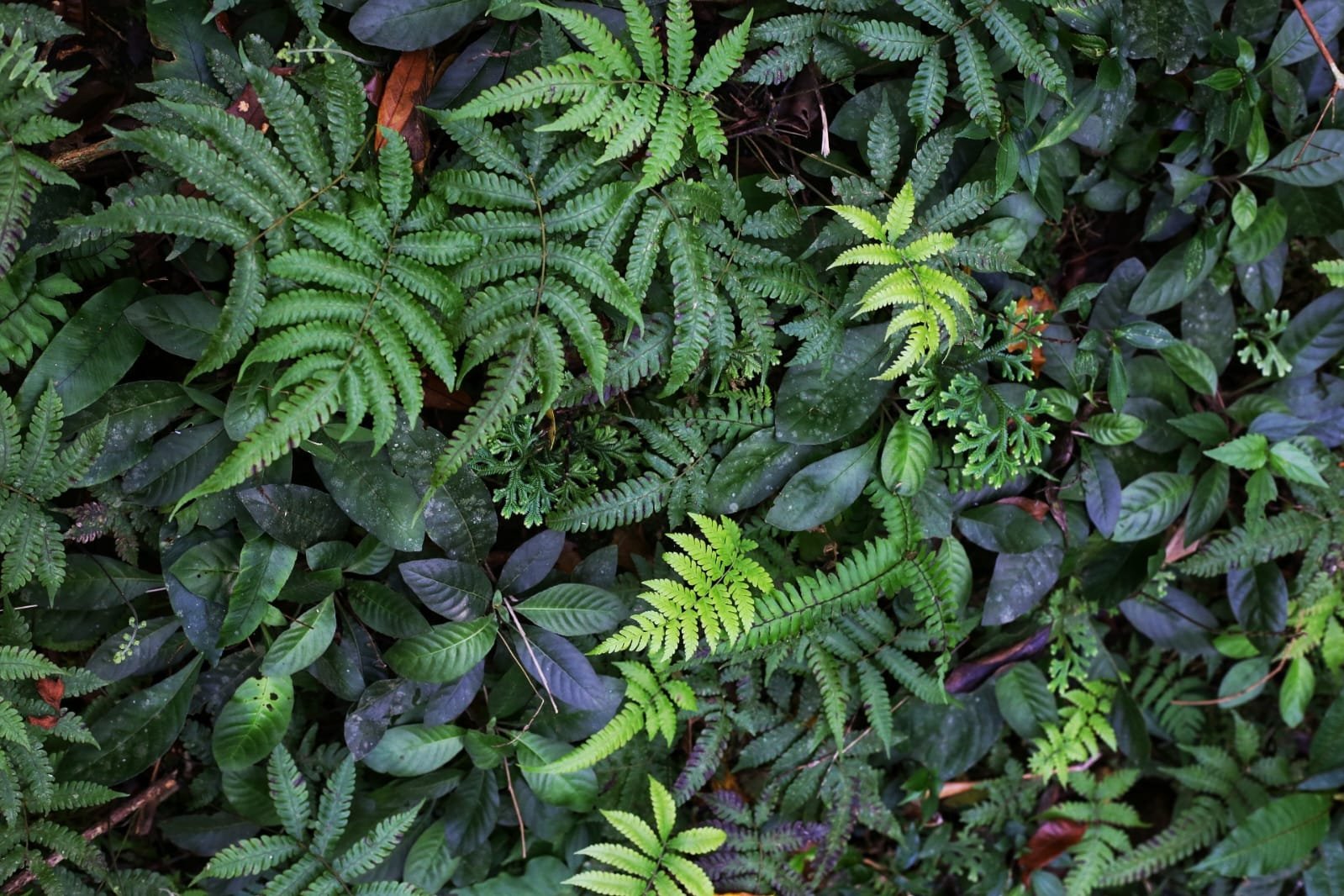
For many travelers, expats, backpackers, and even Panamanians themselves, the idea of eating vegan in Panama can seem intimidating at first. This is, after all, a country where roadside fondas proudly serve fried chicken, stewed beef, pork, fish, and seafood. Traditional meals often revolve around animal protein, and many classic dishes include ingredients such as cheese, eggs, butter, or meat stock. A newcomer might spend their first few days looking at restaurant menus and conclude that Panama is one of the most difficult countries in the Americas for vegans. Yet that conclusion would be completely wrong. The reality is that Panama can be an exceptionally rewarding place to follow a vegan lifestyle once you understand how the country works. Beneath the surface lies a nation blessed with fertile volcanic soils, year round growing seasons, tropical abundance, mountain agriculture, and some of the most diverse produce markets in the Western Hemisphere. While Panama may never market itself as a vegan destination in the way that certain cities in North America or Europe do, it possesses something arguably more valuable: an incredible natural abundance of plant based foods that have been growing here long before veganism became a global trend.
One of the most important things to understand is that being vegan in Panama is not about hunting endlessly for specialty products. It is not about finding imitation meats, vegan cheeses, or imported health food brands. Those products certainly exist, particularly in larger cities, but the real secret to thriving as a vegan in Panama is embracing the foods that naturally flourish here. This is a tropical country where fruit grows in astonishing abundance. In some regions, mango trees literally drop more fruit than local residents can consume. Avocados can grow to enormous sizes. Pineapples are sweeter than many visitors have ever tasted. Bananas, plantains, papayas, coconuts, watermelon, passion fruit, dragon fruit, guava, starfruit, and dozens of lesser known tropical fruits are available throughout the year. A walk through a local produce market can feel like stepping into a botanical encyclopedia. Many visitors quickly discover that they are eating more fresh fruits and vegetables in Panama than they ever did back home.
Breakfast is often the easiest meal of the day for vegans in Panama. Tropical fruit is everywhere, and a simple breakfast of papaya, pineapple, bananas, watermelon, and mango can be incredibly satisfying. Many hostels, guesthouses, and hotels serve fresh fruit as part of their breakfast offerings. Smoothies are also widely available throughout the country, although it is important to confirm that they are made without milk if strict veganism is a priority. In tourist areas, smoothie bars have become increasingly common, offering combinations of tropical fruits that would be difficult or expensive to find elsewhere. A large fruit smoothie made with fresh local ingredients can provide enough energy to fuel a morning of hiking, wildlife watching, surfing, or exploring.
The backbone of vegan survival in Panama is the humble but powerful combination of rice and beans. Throughout the country, rice and beans are consumed daily by millions of people. While preparation methods vary, they remain one of the most accessible and affordable sources of nutrition available. Combined with vegetables, plantains, avocado, and fresh produce, they form the foundation of countless meals. In many situations, especially in rural areas, a vegan traveler may find it easier to build a meal from side dishes rather than ordering a specific menu item. A plate containing rice, beans, fried plantains, avocado, salad, and vegetables can be filling, nutritious, and surprisingly delicious. It may not have a trendy name or appear on social media, but it works.
Plantains deserve their own chapter in any serious guide to vegan travel in Panama. These versatile relatives of bananas are among the country's most important staple foods and are available nearly everywhere. Green plantains are often transformed into patacones, the famous twice fried discs that accompany countless meals. Ripe plantains become sweet and caramelized when cooked, providing a completely different flavor profile. Boiled plantains appear in soups and traditional dishes. Baked plantains offer yet another variation. For vegans traveling through remote regions, plantains often become a reliable source of calories when other options are limited. Many experienced travelers joke that if all else fails, there will always be plantains somewhere nearby.
The produce markets of Panama are among the greatest treasures for vegan travelers. Whether visiting the sprawling markets of Panama City, the agricultural communities of Chiriquí, or small rural towns scattered throughout the country, visitors are often amazed by the freshness and affordability of local produce. Farmers arrive with vegetables harvested only hours earlier. Depending on the season, stalls may overflow with tomatoes, cucumbers, peppers, squash, yuca, ñame, otoe, lettuce, cabbage, carrots, onions, herbs, leafy greens, and tropical fruits of every imaginable shape and color. Shopping in these markets is not merely a way to save money. It is also one of the best ways to experience authentic Panamanian culture.
The highlands of Chiriquí may be the closest thing Panama has to a vegan paradise. Regions surrounding Boquete and Cerro Punta produce much of the country's vegetables and cooler climate crops. Here, the landscape changes dramatically from the tropical lowlands. Rolling hills, mountain valleys, and volcanic soils support agriculture on an impressive scale. Strawberries, lettuce, broccoli, carrots, kale, cabbage, onions, herbs, and numerous other vegetables thrive in the cool mountain air. Visitors often find that produce quality in the highlands rivals or exceeds what they are accustomed to in North America or Europe. The abundance of fresh ingredients makes self catering particularly rewarding.
One especially noteworthy destination for vegan travelers is the area surrounding the famous Lost and Found Hostel. Located in the cloud forests between David and Bocas del Toro, Lost and Found has become legendary among backpackers, hikers, birdwatchers, and nature lovers. What many visitors do not realize before arriving is that the hostel has developed a strong reputation for serving excellent, affordable food, including vegan options. This can be a tremendous relief for travelers who have spent days navigating limited choices elsewhere. Surrounded by pristine cloud forest and incredible biodiversity, guests can enjoy hearty vegan meals without paying the premium prices often associated with specialty plant based dining. For backpackers traveling on a budget, finding a place where delicious vegan food is readily available can feel like discovering an oasis in the wilderness. The combination of mountain scenery, hiking trails, wildlife, and reliable vegan meals has made Lost and Found a favorite stop for many plant based travelers crossing Panama.
Another pleasant surprise for many vegans is the availability of food from Panama's large Chinese and Lebanese communities. Chinese restaurants are found throughout the country, from major cities to surprisingly small towns, and they often provide some of the easiest vegan meals available. Vegetable fried rice, stir fried vegetables, tofu dishes, mushroom based dishes, vegetable noodles, steamed vegetables, and mixed vegetable plates can frequently be ordered with little or no modification. Because Chinese cuisine traditionally incorporates a wide variety of vegetables and soy products, it often becomes a dependable option when local restaurants offer few obvious vegan choices.
Lebanese restaurants are another hidden gem for vegan travelers. Panama has a significant Lebanese influence, particularly in urban areas, and many Lebanese dishes are naturally vegan or easily adapted. Hummus, baba ghanoush, tabbouleh, falafel, lentil dishes, stuffed grape leaves, salads, roasted vegetables, and pita bread can provide a refreshing break from rice and beans. In fact, many experienced vegan travelers in Panama quickly learn that Lebanese restaurants can feel like a safe haven when searching for flavorful, filling, and protein rich plant based meals. The combination of chickpeas, lentils, vegetables, herbs, and olive oil creates meals that are both satisfying and highly nutritious.
Panama City has undergone a remarkable transformation over the past decade when it comes to vegan food. What was once a challenging city for vegans has evolved into a place where plant based dining is increasingly mainstream. Vegan burgers, grain bowls, smoothie bowls, tofu dishes, vegan desserts, specialty coffee drinks with plant based milk, and internationally inspired vegan cuisine can now be found throughout the capital. Large supermarkets stock almond milk, oat milk, soy milk, tofu, nutritional yeast, vegan yogurts, and imported specialty products. While prices for imported items can sometimes be high, their availability reflects the growing demand for plant based lifestyles throughout Panama.
Travelers heading toward destinations such as Santa Catalina, Santa Fe, Pedasí, Bocas del Toro, El Valle de Antón, or the Caribbean coast should consider carrying a small emergency food supply. This does not mean filling a backpack with weeks worth of provisions. Instead, practical items such as nuts, dried fruit, peanut butter, oats, granola, crackers, energy bars, and shelf stable plant milk can make an enormous difference. These foods provide nutritional insurance during long travel days, unexpected delays, or visits to remote communities where restaurant options may be limited.
The Caribbean side of Panama presents unique opportunities for vegans. Coconut plays a major role in many Afro Caribbean culinary traditions. Coconut rice, coconut based sauces, tropical fruits, root vegetables, and beans are common ingredients throughout the region. While not every dish is vegan, the underlying ingredients often lend themselves naturally to plant based eating. The tropical climate also supports year round fruit production, ensuring a constant supply of fresh produce.
One of the greatest strengths of vegan travel in Panama is affordability. While imported vegan specialty products can be expensive, basic plant foods are often remarkably affordable. Rice, beans, bananas, plantains, seasonal fruits, vegetables, and locally grown produce can cost far less than equivalent foods in many developed countries. Travelers willing to shop at local markets and cook occasionally can maintain a healthy vegan diet without spending large amounts of money.
Learning a few key Spanish phrases can dramatically improve the experience. Asking whether a dish contains meat, chicken, fish, eggs, milk, cheese, butter, or animal broth becomes easier with practice. Most Panamanians are friendly and accommodating when dietary preferences are explained politely. In many smaller restaurants, staff may even suggest custom combinations of side dishes that are not listed on the menu.
What surprises many visitors most is how naturally veganism can fit into life in Panama once the initial learning curve is overcome. The country possesses an extraordinary agricultural richness. Fruits grow year round. Vegetables flourish in fertile soils. Markets overflow with fresh produce. Avocados are plentiful. Plantains are everywhere. Beans and rice remain affordable staples. Even remote destinations increasingly recognize the growing demand for plant based meals.
Ultimately, Panama rewards vegans who approach the country with flexibility, curiosity, and a willingness to embrace local ingredients. It may not be the easiest destination in the world if your goal is to replicate the exact vegan products available in major North American cities. But if your goal is to eat fresh, nutritious, flavorful food while exploring one of the most beautiful and biodiverse countries in the Americas, Panama may exceed your expectations. From the produce markets of Chiriquí to the tropical fruit stands of the lowlands, from the growing vegan scene in Panama City to the affordable vegan meals available at Lost and Found Hostel high in the cloud forest, opportunities exist everywhere for those who know where to look.
The truth is that many vegans arrive in Panama expecting survival mode and leave having discovered something far better. They discover a country where food grows abundantly, where fresh fruit becomes a daily luxury rather than an occasional treat, where vegetables arrive directly from nearby farms, and where even remote mountain hostels can serve satisfying vegan meals after a day spent hiking through misty cloud forests. They discover that Chinese restaurants and Lebanese restaurants often provide dependable plant based options almost everywhere they travel. Most importantly, they discover that Panama's greatest vegan asset is not a trendy restaurant scene or expensive imported products. It is the extraordinary natural abundance of the country itself. In a nation blessed with fertile soils, tropical sunshine, mountain farms, and year round harvests, vegan eating becomes less about limitation and more about taking advantage of one of the richest food landscapes in the Americas.