
Few animals in Panama are as important to the health of the country's forests as the agouti. These rabbit-sized rodents are common throughout much of Panama, from lowland rainforests and secondary growth forests to protected wilderness areas and even some rural landscapes. Yet despite being frequently seen by hikers, birdwatchers, and nature lovers, agoutis rarely receive the recognition they deserve. Jaguars inspire awe, harpy eagles become symbols of conservation, and colorful poison dart frogs capture photographers' attention, but the humble agouti quietly performs ecological work that helps entire forests survive and regenerate. Without agoutis, many of Panama's forests would look dramatically different than they do today.
The agouti found in Panama is typically the Central American agouti, a sleek, long-legged rodent with coarse fur that ranges from brown to reddish and golden shades depending on the lighting and the individual animal. At first glance it may resemble an oversized guinea pig standing on unusually long legs. However, beneath this modest appearance lies one of the most influential seed dispersers in the Neotropics. In fact, many scientists consider agoutis among the most important mammals for maintaining the diversity and structure of tropical forests throughout Central America.
Central American agouti can be found throughout much of Panama, including the forests surrounding Soberanía National Park, Metropolitan Natural Park, Volcán Barú National Park, and the vast wilderness of La Amistad International Park. In many of these places, a visitor walking quietly along a trail will hear rustling leaves before spotting an agouti trotting through the undergrowth with surprising speed and agility.
The true importance of agoutis begins with their feeding behavior. Tropical forests produce enormous quantities of fruits, nuts, and seeds. Some of these seeds are small enough to be swallowed by birds or bats, but others are exceptionally large and heavy. Trees such as almendro, wild avocado relatives, and many canopy species produce seeds that cannot simply be carried away by wind. These trees depend upon animals to transport their offspring away from the parent tree. This is where the agouti enters the story.
Agoutis are famous for collecting seeds and burying them in hundreds of small caches scattered throughout the forest. This behavior serves as a food storage strategy. During times of abundance, an agouti may bury seeds in dozens or even hundreds of locations, planning to return later when food becomes scarce. However, the agouti's memory is not perfect. Some buried seeds are forgotten. Others remain hidden because the animal dies or because food becomes plentiful elsewhere. The forgotten seeds eventually germinate, producing new trees. In this way, agoutis effectively plant forests one seed at a time.
Imagine a mature rainforest tree producing thousands of seeds. If all of those seeds simply fell beneath the parent tree, many would be eaten by insects, attacked by fungi, or outcompeted by neighboring seedlings. By carrying seeds away and burying them in different locations, agoutis increase the chances that some seedlings will survive. This process helps maintain forest diversity and ensures that future generations of trees become distributed across the landscape rather than concentrated beneath their parents.
Scientists have often described agoutis as the gardeners of the tropical forest. The comparison is remarkably accurate. Human gardeners plant seeds intentionally. Agoutis do so accidentally. Yet the results can be just as significant. Every day, throughout Panama's forests, countless agoutis move seeds from one location to another, reshaping the future composition of the ecosystem. Forests that appear untouched by human hands are often partially the result of centuries of agouti activity.
The relationship between agoutis and trees becomes even more fascinating when examining species with exceptionally large seeds. Some tropical trees produce seeds that are too large for most birds and monkeys to transport effectively. Agoutis may be among the few remaining animals capable of moving these seeds significant distances. In some cases, certain tree species depend heavily on agoutis for successful reproduction. The survival of the tree and the survival of the rodent become intertwined in a remarkable ecological partnership that has evolved over thousands of generations.
Agoutis also play an important role as prey animals. While they spend much of their lives searching for fruits, seeds, and vegetation, they themselves provide food for some of Panama's most iconic predators. Jaguars, ocelots, pumas, boa constrictors, and large birds of prey may all prey upon agoutis under the right circumstances. In many tropical forests, agoutis represent a substantial source of protein for medium-sized and large predators.
This means agoutis occupy a critical middle position in the food web. They consume plant material and convert it into animal biomass, which then becomes available to predators. Without healthy agouti populations, predator populations could face reduced food availability. Thus, the importance of agoutis extends far beyond seed dispersal. They help connect plants and predators within a complex ecological network.
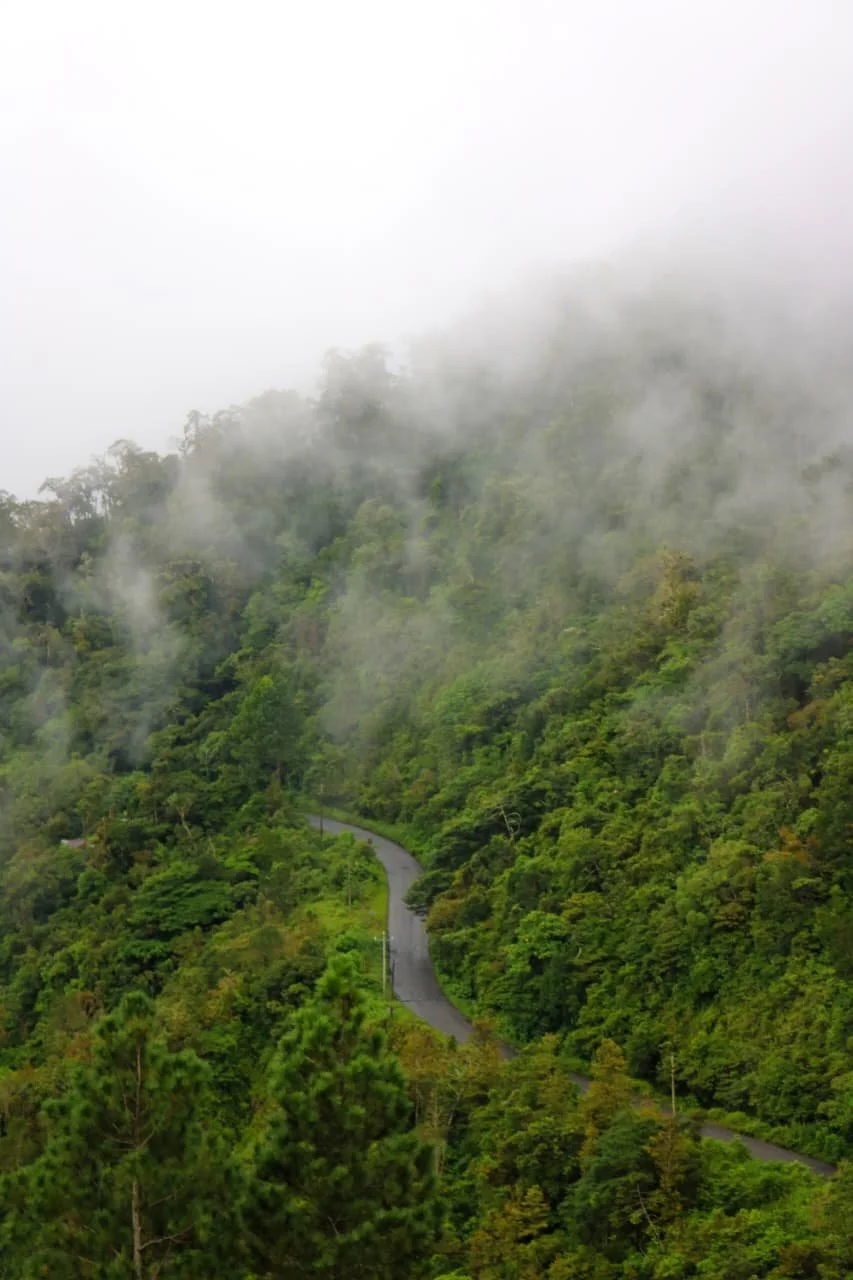
The forests surrounding the famous Lost and Found area in the Chiriquí Highlands provide a particularly interesting example of agouti ecology. Although visitors often focus on birds, orchids, and cloud forest scenery, agoutis quietly move through the understory carrying seeds and fruits between patches of forest. In these montane ecosystems, where conditions differ from the lowland rainforests, agoutis continue to perform their ecological role as seed dispersers, helping maintain the diversity of native trees that characterize Panama's mountain forests.
One of the most remarkable features of agoutis is their ability to crack open extremely hard seeds. Their powerful teeth allow them to access food resources unavailable to many other animals. Some seeds are eaten entirely, but many are transported and stored. This balance between seed predation and seed dispersal creates a dynamic relationship that shapes forest regeneration. While some seeds are consumed, others are effectively given a chance to grow in a safer location.
Agoutis also contribute to the recovery of disturbed forests. When agricultural land is abandoned or when forests regenerate after natural disturbances, seed-dispersing animals become essential. Birds may bring some seeds, bats contribute others, but agoutis help transport larger seeds that are necessary for rebuilding a mature forest structure. Their activities assist the gradual transformation of open areas into increasingly complex forest ecosystems.
In Panama, where reforestation and habitat restoration are important conservation goals, the role of native wildlife in ecosystem recovery cannot be overstated. Agoutis are among the species performing this work naturally and continuously, without any human intervention. Every seed they bury represents a potential future tree. Every forgotten cache represents an opportunity for forest regeneration.
The cultural significance of agoutis should not be overlooked either. Throughout rural Panama, agoutis have long been familiar animals. Many Panamanians know them from encounters in forests, farms, and protected areas. Historically, they have also been hunted for food in some regions. Sustainable management is therefore important because excessive hunting can reduce local populations and indirectly affect forest health.
When agouti populations decline, ecological consequences can ripple throughout the ecosystem. Fewer agoutis may mean fewer large seeds dispersed across the landscape. Over decades, this can alter tree composition, reduce regeneration of certain species, and potentially affect animals that depend on those trees. The effects may be subtle at first but become increasingly significant over time.
Researchers studying tropical forests have repeatedly found evidence that large seed-dispersing mammals play a vital role in maintaining biodiversity. Agoutis are among the most effective of these animals. Their influence extends from the forest floor to the canopy. A massive tree towering more than forty meters above the ground may owe its existence to a forgotten agouti seed cache decades earlier.
Perhaps the greatest testament to the importance of agoutis is that many people never notice their work. Visitors admire giant rainforest trees without realizing that an agouti may have planted them. They enjoy shaded forest trails without understanding that generations of seed-caching rodents helped create the surrounding vegetation. They marvel at Panama's extraordinary biodiversity without recognizing one of the small mammals helping to sustain it.
In a country celebrated for its rainforests, cloud forests, mangroves, and incredible wildlife, agoutis deserve a place among the most important animals in the ecosystem. They are engineers of forest regeneration, transporters of genetic diversity, prey for predators, and key players in countless ecological interactions. While they lack the fame of jaguars or the dramatic appearance of toucans and macaws, their contribution to Panama's natural world is immense.
The next time you walk through a Panamanian forest and spot an agouti darting between the trees, remember that you are not simply looking at a rodent. You are looking at one of the architects of the rainforest itself, a tireless worker that has been planting forests, feeding predators, and shaping ecosystems for thousands of years. In many ways, the future of Panama's forests depends upon these unassuming creatures continuing their ancient work, one buried seed at a time.