
Modern Panama is a country of highways, bridges, airports, ports, and one of the most important shipping routes on Earth. Cars race along the Inter-American Highway. Trucks transport goods between provinces. Aircraft cross the country in minutes. To many people, transportation in Panama feels like a modern story. Yet long before the first paved road, long before railways, and long before the Panama Canal, the country was already connected by an astonishing network of routes. These were not highways of asphalt and concrete. They were jungle paths, rivers, mountain trails, and coastal corridors that allowed people to travel across the isthmus for thousands of years.
The forgotten transportation networks of ancient Panama may be one of the most fascinating aspects of the country's history. Today, a traveler driving from Panama City to David might complete the journey in several hours while barely thinking about the terrain. But for countless generations, movement across Panama required intimate knowledge of rivers, forests, mountain passes, weather patterns, and natural landmarks. Entire civilizations developed systems for navigating a landscape that outsiders often viewed as impenetrable. The result was a web of routes that connected communities, facilitated trade, spread ideas, and shaped the history of the region long before Europeans arrived.
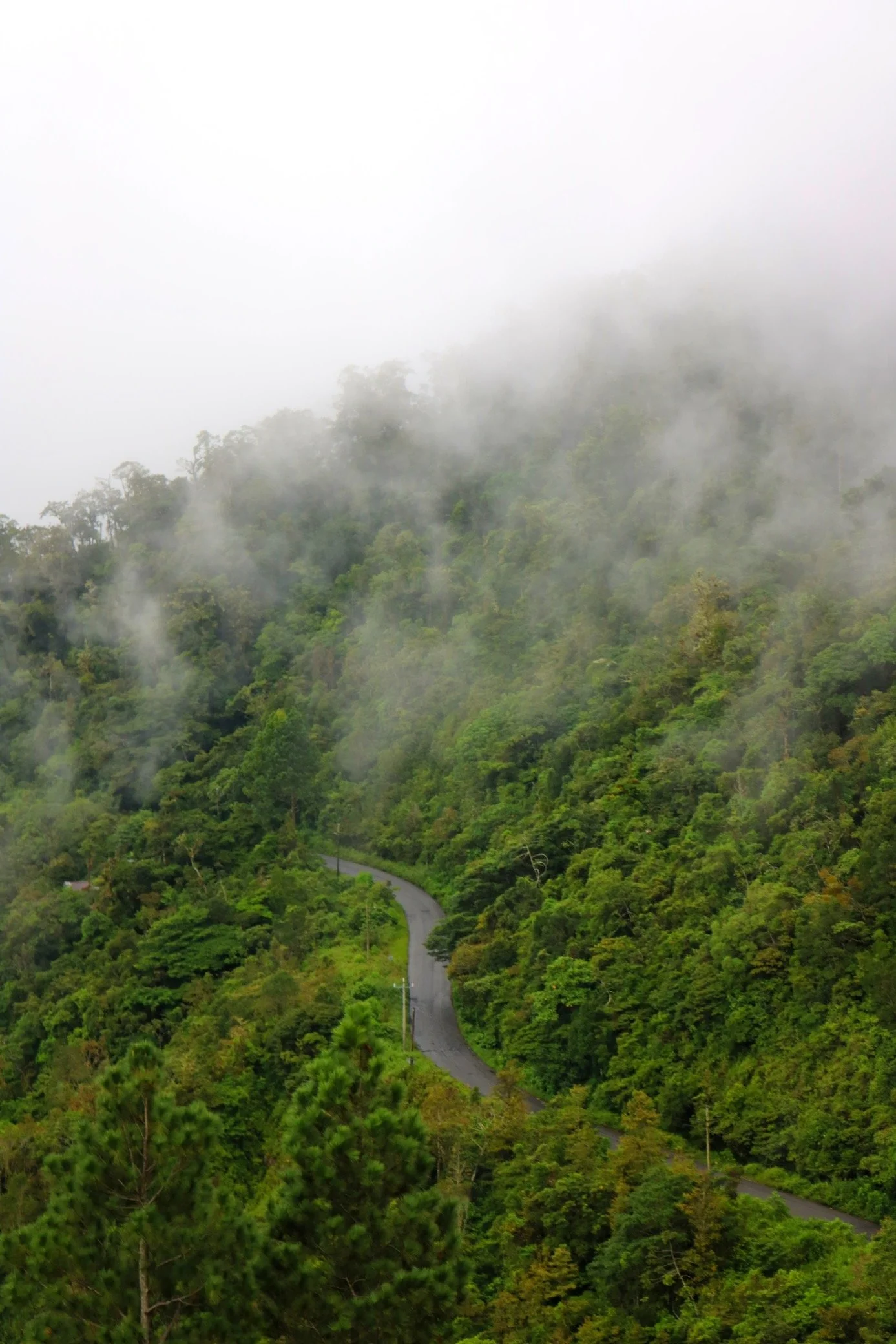
To appreciate the achievement of these early transportation systems, one must first understand the environment. Panama is not an easy country to cross. Dense rainforests cover large portions of the landscape. Rivers can swell dramatically during the rainy season. Mountains create natural barriers. Tropical vegetation grows quickly enough to reclaim abandoned trails in surprisingly short periods of time. Heat and humidity can challenge even experienced travelers. Yet despite these obstacles, indigenous peoples established routes linking different regions of the isthmus centuries before modern infrastructure existed.
Some of these routes followed rivers. In many parts of Panama, rivers were the equivalent of highways. A canoe could transport people and cargo far more efficiently than carrying goods through dense forest. Communities developed along riverbanks. Trade moved up and down waterways. Knowledge of currents, seasonal changes, and navigable channels became essential skills. Even today, in remote regions such as parts of Darién, rivers remain among the most practical transportation corridors available.
Imagine a journey through Panama a thousand years ago. Rather than following road signs, travelers relied upon memory, landmarks, and generations of accumulated knowledge. A river bend, a distinctive hill, a particular stand of trees, or a mountain ridge might serve as navigation markers. The landscape itself became the map. Travelers knew where fresh water could be found, where flooding was common, which trails were safest during certain seasons, and how long it would take to reach neighboring communities. This knowledge represented an extraordinary intellectual achievement developed over centuries of experience.
Trade was one of the primary reasons these routes existed. Contrary to outdated assumptions, many indigenous societies in Panama were not isolated villages with little interaction beyond their immediate surroundings. Archaeological evidence reveals extensive trade networks connecting different regions. Gold objects, ceramics, stone tools, shells, and other goods moved between communities. Some items traveled remarkable distances. The existence of such trade demonstrates that transportation routes were not occasional pathways but essential components of everyday life.
One of the most remarkable aspects of these ancient networks is that Panama's geography actually made the region unusually important. The narrowness of the isthmus created opportunities for movement between the Caribbean and Pacific coasts. Long before anyone imagined a canal, people recognized that Panama occupied a strategic position. Goods arriving from one side of the country could be transported to the other through combinations of river travel and overland trails. The concept that would eventually inspire the Panama Canal had ancient roots. People understood the value of connecting oceans long before modern engineering made it possible.
When European explorers arrived, they quickly learned that indigenous knowledge of transportation routes was invaluable. Outsiders often struggled in unfamiliar environments. Forests appeared confusing. Rivers behaved unpredictably. Weather created challenges. Local guides, however, understood the landscape in ways newcomers could scarcely imagine. Many early expeditions relied heavily on indigenous expertise. Routes used by native communities frequently became foundations for later colonial transportation systems.
One of the most famous examples is the historic route linking the Pacific and Caribbean sides of the isthmus during the Spanish colonial period. Treasure from South America passed through Panama on its journey toward Europe. Mule trains transported silver, gold, and other valuable goods across the country. While the Spanish improved and expanded these routes, many followed corridors whose importance had been recognized long before European arrival. Geography dictated the most practical crossings, and generations of indigenous travelers had already identified them.
Travel through colonial Panama was an adventure that required endurance, patience, and preparation. Dense vegetation surrounded many routes. Tropical rains transformed trails into mud. Rivers had to be crossed. Supplies needed to be carried. Yet despite these difficulties, enormous quantities of wealth moved across the isthmus. The transportation system worked because it built upon centuries of accumulated geographical understanding.
The mountain regions of Panama presented their own challenges and opportunities. Highland communities established trails connecting valleys and settlements. Some routes climbed steep slopes before descending into entirely different watersheds. These paths linked communities separated by rugged terrain. Travelers moving through the highlands often encountered dramatically different climates as they gained or lost elevation. A journey might begin in warm lowlands and end in cool mountain environments within a relatively short distance.
The coastal routes were equally important. Long stretches of shoreline provided opportunities for travel by canoe and other small vessels. Fishing communities exchanged goods and information. Coastal navigation became an essential skill. Knowledge of tides, reefs, currents, and weather conditions determined success or failure. The sea itself became part of the transportation network.
Perhaps the most impressive achievement was not the construction of any single trail but the creation of an interconnected system spanning diverse environments. Rivers linked to overland routes. Mountain paths connected to coastal corridors. Communities served as stopping points where travelers could rest, exchange information, and continue their journeys. The network functioned because people understood how different parts of the landscape interacted.
Today, traces of these ancient routes remain scattered across Panama. Some evolved into modern roads. Others disappeared beneath forests. Archaeologists occasionally uncover evidence of old pathways, settlements, and trading connections. Rivers that once served as primary transportation corridors still flow through the landscape. Mountain passes used centuries ago continue to guide modern routes. The skeleton of the old network survives, even when the original paths themselves have vanished.
What makes these forgotten highways so fascinating is that they challenge common assumptions about the past. It is easy to imagine ancient societies as isolated and disconnected. The reality was far more dynamic. People traveled, traded, communicated, and explored. Ideas moved between regions. Goods crossed mountains and forests. Communities maintained relationships across considerable distances. Panama was not an empty wilderness waiting to be connected. It was already connected through systems developed over countless generations.
The modern traveler speeding down a highway may never realize that beneath the asphalt lies a much older story. Long before engines, bridges, and pavement, people were finding ways to cross the isthmus. They learned the rhythms of rivers, the secrets of forests, and the safest mountain passes. They transformed a challenging landscape into a network of routes that supported trade, culture, and communication for centuries.
In many ways, Panama's modern transportation infrastructure represents the latest chapter in a very old tradition. The canal, highways, railways, and airports all serve the same fundamental purpose as those ancient jungle paths. They connect people, goods, and ideas across one of the most strategically important pieces of land on Earth. The technology has changed dramatically, but the geography remains the same. Panama is still a bridge between worlds, just as it has been for thousands of years.