
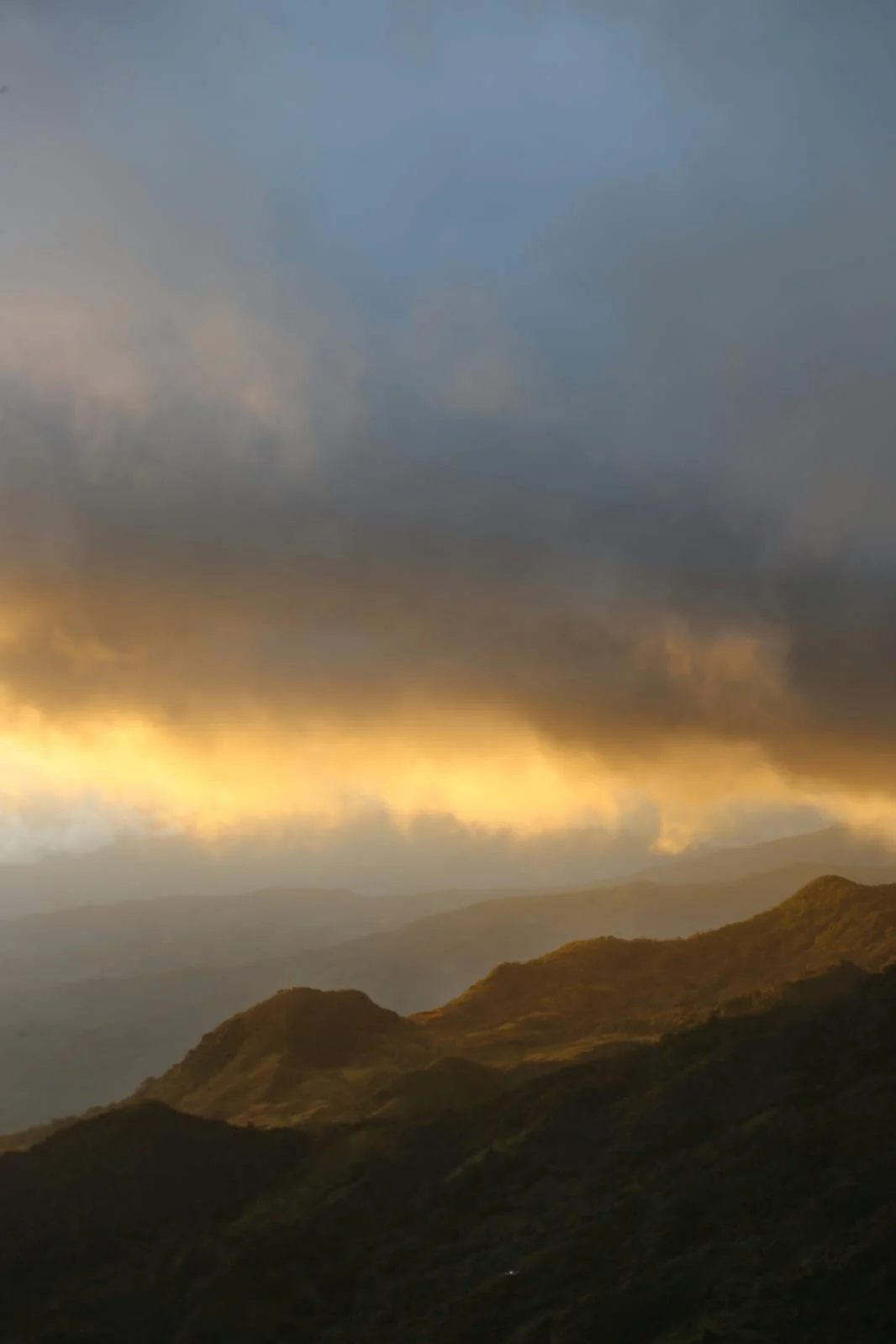
Towering quietly above Panama City, covered in lush tropical vegetation and crowned by one of the largest national flags in the country, Cerro Ancón is far more than just a hill. Rising approximately 199 meters above sea level, Cerro Ancón is one of the most recognizable landmarks in Panama and one of the few places where visitors can truly appreciate the extraordinary geography, history, and development of the nation all at once. From its summit, modern skyscrapers, colonial churches, the Panama Canal, tropical forests, Panama Bay, distant mountains, and bustling neighborhoods all come into view, creating one of the most spectacular panoramas in Central America.
For many Panamanians, Cerro Ancón is much more than a scenic viewpoint. It is a symbol of national identity, sovereignty, and pride. The hill has witnessed some of the most important events in the country's history and continues to hold a special place in the national imagination. While countless visitors travel to Panama City to see the canal, explore Casco Viejo, or admire the skyline, those who make the journey up Cerro Ancón often leave with a deeper understanding of Panama itself.
One of the first things visitors notice about Cerro Ancón is its unusual location. Unlike many urban viewpoints that require a lengthy drive into the countryside, Cerro Ancón rises directly beside the city. The hill stands near the entrance to the Panama Canal, adjacent to the historic former Canal Zone, and only minutes from downtown Panama City. Yet despite its proximity to busy streets and urban development, the hill remains surprisingly peaceful. Dense tropical vegetation covers its slopes, creating a green oasis amid one of Latin America's fastest-growing capitals.
The road leading to the summit has become one of the city's most popular walking routes. Early each morning, residents begin making their way uphill. Some come for exercise, others for birdwatching, photography, or simply to enjoy the cooler air and beautiful scenery. Cars are restricted during certain hours, allowing walkers to enjoy the climb in relative tranquility. The gradual ascent provides increasingly impressive views with every turn.
As visitors climb higher, the city slowly unfolds beneath them. Skyscrapers emerge above the trees. The waters of Panama Bay shimmer in the distance. Cargo ships can often be seen waiting offshore. The contrast between tropical forest and urban development becomes increasingly dramatic. It is one of the few places where the unique relationship between Panama City and its natural environment can be fully appreciated.
The history of Cerro Ancón is deeply intertwined with the history of the Panama Canal. During the canal's construction, the hill occupied a strategic position overlooking the engineering project that would forever change global transportation. The surrounding area eventually became part of the former Canal Zone, a territory administered by the United States for much of the twentieth century. For decades, Cerro Ancón stood within a region that represented both cooperation and tension between Panama and the United States.
As a result, the hill acquired enormous symbolic significance. Following the gradual transfer of canal-related territories back to Panama, Cerro Ancón became one of the most visible symbols of national sovereignty. Today, the enormous Panamanian flag flying near the summit can be seen from many parts of the city. Measuring dozens of meters across, it serves as a constant reminder of the country's independence and control over its own territory.
The summit itself offers one of the most extraordinary urban viewpoints in the Americas. Looking east, visitors can admire the gleaming skyline of Panama City, where hundreds of modern towers rise above the waterfront. The concentration of skyscrapers is among the largest in Latin America, creating a scene that often surprises first-time visitors. The city appears almost futuristic from this vantage point, with glass towers reflecting sunlight against the backdrop of the Pacific Ocean.
Turning south reveals another of Panama's greatest treasures: the historic district of Casco Viejo. From above, the district's colonial churches, plazas, and historic streets become clearly visible. The contrast between Casco Viejo's centuries-old architecture and the modern skyline beyond creates one of the city's most striking visual juxtapositions. Few places illustrate the coexistence of history and modernity so effectively.
To the west lies the engineering marvel that helped shape the modern world: the Panama Canal. From Cerro Ancón, visitors can observe portions of the canal corridor as it cuts through the landscape. Ships moving toward the locks appear surprisingly small from this elevation, providing a sense of the immense scale of both the canal and the vessels that transit it.
The surrounding forests add another dimension to the experience. Despite being located in the middle of a major city, Cerro Ancón supports a surprising amount of wildlife. Monkeys are occasionally spotted moving through the trees. Sloths inhabit the forested slopes. Iguanas bask in sunny clearings. Birdwatchers regularly encounter toucans, hawks, parrots, and numerous other tropical species. The presence of such wildlife within a capital city reinforces Panama's reputation as one of the world's most biodiverse countries.
Many visitors are surprised by how natural Cerro Ancón feels. Although the city surrounds it, the hill remains heavily forested. Walking along the road often feels more like exploring a nature reserve than an urban attraction. Tropical trees provide shade. Birds sing from the canopy. Butterflies drift through patches of sunlight. The sounds of the city become muted beneath the forest cover.
One of the most rewarding times to visit is early morning. As the sun rises over Panama Bay, golden light illuminates the skyline and surrounding hills. Temperatures remain comfortable, wildlife is often more active, and visibility tends to be excellent. Watching the city awaken from the summit offers a perspective that few other locations can match.
Sunset is equally spectacular. The skyscrapers begin to glow as the lowering sun reflects from their glass facades. The Pacific Ocean turns shades of gold and orange. Long shadows stretch across the city. As darkness falls, thousands of lights illuminate the skyline, transforming Panama City into a glittering urban landscape beneath the hill.
Beyond its scenic appeal, Cerro Ancón also serves as a reminder of Panama's remarkable geographic position. From the summit, visitors gain an appreciation for the narrowness of the isthmus and the strategic importance that has shaped the country's history for centuries. Looking across the landscape, it becomes easy to understand why Panama has long served as a crossroads connecting continents, oceans, cultures, and economies.
The hill's role in public life extends beyond tourism. Residents frequently use it for exercise and recreation. School groups visit to learn about history and ecology. Photographers come to capture panoramic views. Nature enthusiasts explore the surrounding vegetation. It functions simultaneously as a historical monument, urban park, wildlife refuge, and scenic lookout.
What makes Cerro Ancón particularly special is its ability to tell multiple stories at once. It is a natural landmark covered in tropical forest. It is a historical symbol connected to the canal and national sovereignty. It is a wildlife habitat in the middle of a city. It is a viewpoint offering extraordinary perspectives on one of Latin America's most dynamic capitals. Few places manage to combine so many different identities so successfully.
Visitors often arrive expecting a pleasant walk and a nice view. They leave having gained a much broader appreciation for Panama's geography, history, and character. The summit reveals not only the physical layout of the city but also the forces that shaped it: the canal, the oceans, the forests, the colonial past, and the modern global economy.
In many ways, Cerro Ancón serves as Panama City's natural balcony. From this single vantage point, visitors can see nearly every chapter of the nation's story. The colonial era is visible in Casco Viejo. The canal era appears in the engineering corridor stretching across the landscape. Modern Panama rises through the skyscrapers of the financial district. The country's extraordinary biodiversity survives in the forests surrounding the hill itself.
For travelers seeking the best view in Panama City, Cerro Ancón is difficult to surpass. For history enthusiasts, it offers profound symbolic significance. For nature lovers, it provides an unexpected tropical refuge. For photographers, it delivers endless opportunities to capture one of the most dramatic urban landscapes in the Americas.
Standing beneath the giant Panamanian flag at the summit, looking out across oceans, forests, canals, and skyscrapers, it becomes clear why Cerro Ancón occupies such a special place in the nation's heart. It is not simply the highest point in the city. It is a place where Panama's past, present, and future can all be seen at once. A hill that has watched over the city for generations, Cerro Ancón remains one of the most meaningful and unforgettable destinations in the entire country.