
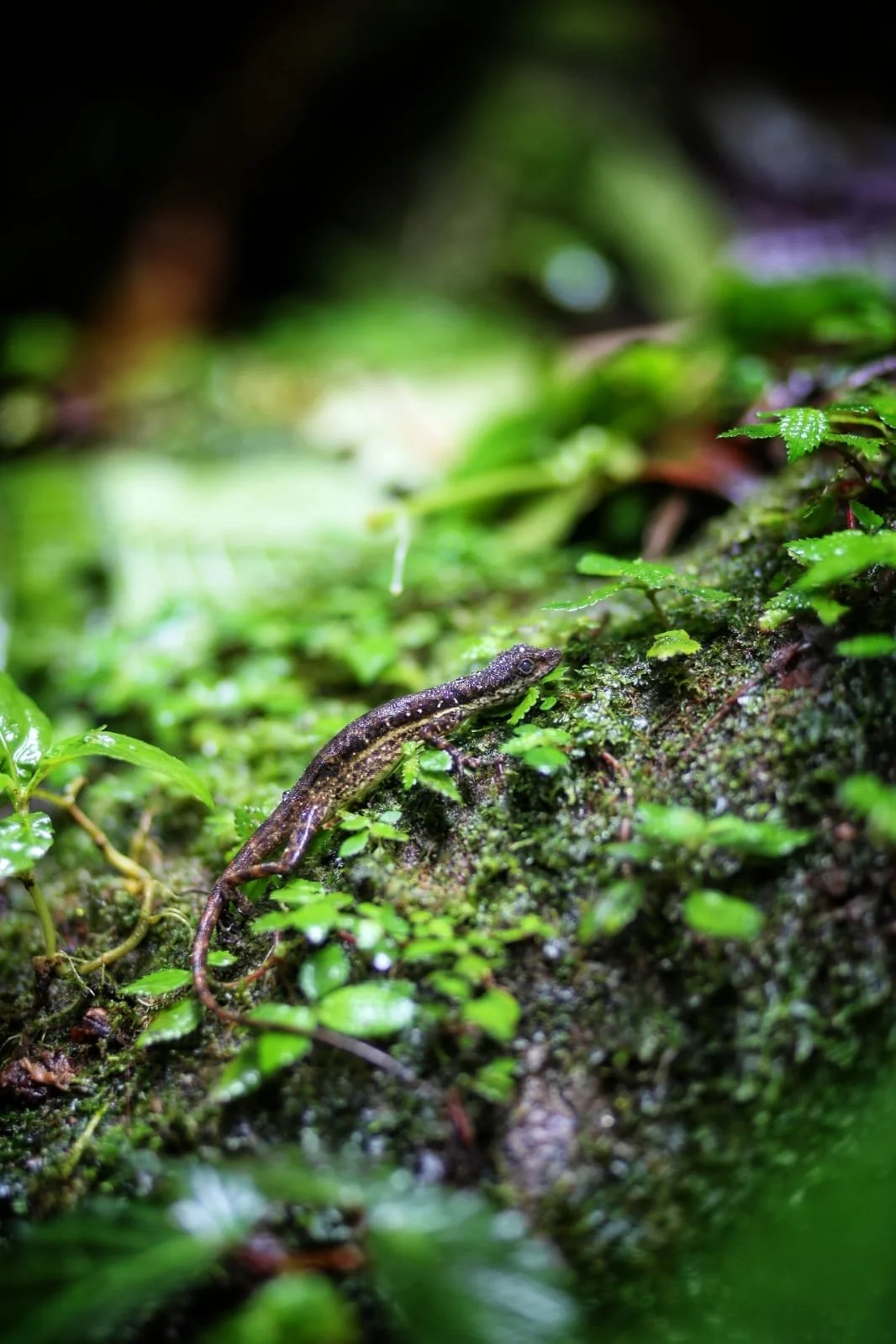
In a world where cities continue to expand and natural spaces become increasingly rare, there are few places as remarkable as Metropolitan Natural Park. Located in the heart of Panama City, surrounded by highways, neighborhoods, skyscrapers, and urban development, this protected tropical forest stands as one of the most unique urban parks anywhere on Earth. It is a place where monkeys swing through trees only minutes from financial districts, where toucans can be spotted against the backdrop of modern skyscrapers, and where visitors can experience a genuine tropical rainforest without ever leaving the capital city.
For many first-time visitors, the very existence of Metropolitan Natural Park comes as a surprise. Most major cities are defined by concrete, glass, and steel. While urban parks certainly exist around the world, very few contain authentic tropical rainforest ecosystems filled with native wildlife. Even fewer are located in the center of a capital city. Yet Metropolitan Natural Park offers exactly that. It provides an extraordinary opportunity to step out of the urban environment and immediately immerse yourself in one of the richest ecosystems in the Americas.
The park covers approximately 265 hectares of protected forest and forms part of a larger network of green spaces that help preserve the biodiversity of the Panama Canal watershed. Although relatively small compared to Panama's vast national parks, its importance is enormous. It serves as a refuge for wildlife, a center for environmental education, a recreational destination for residents, and one of the most accessible places in the country to experience tropical nature.
The contrast between the city and the forest is one of the park's most fascinating features. Visitors often arrive after navigating busy streets, traffic, and urban neighborhoods. Within minutes of entering the trails, the sounds of the city begin to fade. Towering trees create a canopy overhead. Tropical birds call from hidden branches. Insects buzz through the undergrowth. The air feels cooler and more humid. Suddenly, it becomes difficult to believe that one of Latin America's most modern skylines lies only a short distance away.
The park represents a rare example of what much of the region around Panama City looked like before urban development transformed the landscape. Long before skyscrapers and highways appeared, dense tropical forests covered the hills surrounding the isthmus. Metropolitan Natural Park preserves a fragment of that original environment, offering visitors a glimpse into the natural world that once dominated the area.
One of the park's greatest attractions is its wildlife. Despite being surrounded by urban development, the forest supports an astonishing variety of species. Many visitors arrive hoping to see monkeys, and they are often rewarded. White-faced capuchin monkeys move through the canopy in search of food, while Geoffrey's tamarins dart among branches. Watching these animals navigate the forest while knowing that office towers stand nearby creates one of the most unusual wildlife experiences in the world.
Sloths are another favorite among visitors. These famously slow-moving animals spend much of their lives high in the trees, often remaining perfectly still for hours at a time. Spotting a sloth requires patience and a careful eye, but discovering one resting among the branches is always exciting. For many travelers, seeing a wild sloth in the middle of a capital city feels almost unbelievable.
Birdwatchers consider Metropolitan Natural Park one of Panama City's greatest treasures. More than two hundred bird species have been recorded within the park, making it an exceptional destination for birding. Toucans, motmots, woodpeckers, flycatchers, hawks, tanagers, and parrots are among the many species that can be encountered along the trails. Early mornings are particularly rewarding as birds become active shortly after sunrise.
The vegetation itself is equally impressive. Massive trees rise above the forest floor, their trunks covered in vines, mosses, and epiphytes. Tropical plants flourish in every direction. Ferns line the trails. Orchids and bromeliads cling to branches. The diversity of plant life reflects Panama's status as one of the most biologically rich countries in the world.
Several well-maintained trails wind through the park, allowing visitors to explore different sections of the forest. Some routes are relatively short and easy, making them suitable for casual visitors and families. Others climb to higher elevations and require more effort. Regardless of which trail is chosen, each offers opportunities to encounter wildlife and experience the rainforest environment.
The most famous destination within the park is the lookout point known as Cerro Cedro. Reaching this viewpoint requires a moderate uphill hike through the forest, but the reward is extraordinary. From the summit, visitors enjoy panoramic views that perfectly illustrate what makes Metropolitan Natural Park so unique. Dense rainforest fills the foreground while the skyscrapers of Panama City rise dramatically in the distance. Beyond them lies the Pacific Ocean, with ships moving through Panama Bay and toward the Panama Canal. It is one of the few places on Earth where tropical wilderness and modern urban development can be viewed together so clearly.
Photographers are particularly drawn to this viewpoint because of the remarkable contrast it provides. The image of rainforest canopy stretching toward a skyline of glass towers has become one of the defining visual symbols of Panama City. It captures the city's unusual identity as a place where nature and urban life coexist more closely than almost anywhere else.
The park also plays a crucial role in environmental education. Schools, universities, researchers, and conservation organizations use the area as a living classroom where people can learn about ecology, biodiversity, and conservation. Educational programs help residents and visitors understand the importance of protecting natural habitats, particularly in rapidly developing urban environments.
One reason the park remains so biologically rich is its connection to larger protected areas surrounding the Panama Canal watershed. These forests form part of a broader ecological network that allows wildlife to move between habitats and helps maintain healthy populations of numerous species. Without these protected corridors, many of the animals found in the park would struggle to survive.
The experience changes throughout the year. During the rainy season, the forest becomes especially lush and vibrant. Streams flow more actively, vegetation flourishes, and the rainforest feels intensely alive. During the dry season, visibility often improves, making wildlife observation easier in some areas. Both seasons offer unique opportunities for exploration and photography.
Another fascinating aspect of the park is how quickly it can change a visitor's perception of Panama City. Many travelers arrive expecting a city defined primarily by the Panama Canal, modern architecture, and business districts. Metropolitan Natural Park reveals another side of the capital, one deeply connected to nature and biodiversity. It demonstrates that Panama City is not simply a metropolis built beside a rainforest; it is a city that still contains rainforest within its boundaries.
The sounds of the forest contribute significantly to the experience. Bird calls echo through the canopy. Insects create a constant background chorus. Leaves rustle as monkeys move overhead. Occasionally, distant city sounds drift into the forest, creating a subtle reminder of the urban environment beyond the trees. This blend of natural and human sounds is unique to urban rainforests and adds another layer to the park's character.
For residents, the park serves as a valuable escape from daily life. It provides opportunities for exercise, relaxation, wildlife observation, and connection with nature without requiring a long journey outside the city. Many locals visit regularly, using the trails for hiking and appreciating the peace that the forest provides.
For international visitors, Metropolitan Natural Park often becomes one of the most memorable surprises of a trip to Panama. Few expect to encounter monkeys, sloths, and tropical birds while remaining within a capital city. The experience challenges assumptions about what urban environments can be and highlights Panama's remarkable commitment to preserving natural spaces.
What ultimately makes Metropolitan Natural Park so extraordinary is its uniqueness. There are larger rainforests in Panama. There are more remote wilderness areas. There are national parks with greater biodiversity. Yet there are very few places in the world where visitors can leave a modern skyline behind and enter an authentic tropical rainforest within minutes. The park offers an experience that feels almost impossible until you witness it yourself.
In many ways, Metropolitan Natural Park symbolizes the broader story of Panama. It reflects the country's position as a bridge between worlds: between North and South America, between oceans, between development and conservation, and between urban life and wild nature. It demonstrates that progress and preservation do not always have to exist in opposition. Here, they stand side by side.
For hikers, birdwatchers, photographers, nature lovers, and curious travelers, Metropolitan Natural Park offers one of the most rewarding experiences in Panama City. It is a place where monkeys roam beneath the shadow of skyscrapers, where tropical forests survive in the center of a capital, and where visitors can discover that one of the city's greatest attractions is not made of concrete or steel but of trees, wildlife, and living rainforest.
In a rapidly urbanizing world, Metropolitan Natural Park remains a powerful reminder that nature can still thrive in unexpected places. Hidden within the heart of Panama City, this extraordinary forest continues to offer adventure, discovery, education, and inspiration to everyone who steps beneath its canopy.