
There are national parks that are popular, national parks that are beautiful, and then there are national parks that feel like genuine expeditions. Hidden at the remote southern tip of the Azuero Peninsula lies one of the least visited, least explored, and most fascinating protected areas in all of Panama. Vast, rugged, and wild beyond imagination, Cerro Hoya National Park is a place where dense forests cloak mountains, rivers tumble toward the Pacific Ocean, rare wildlife survives in isolation, and travelers can still experience the feeling of entering a landscape that remains largely untouched by the modern world.
For many Panamanians, Cerro Hoya remains a mystery. It receives only a fraction of the visitors that flock to destinations such as Volcán Barú National Park, Soberanía National Park, or Coiba National Park. Yet among conservationists, biologists, adventurous hikers, and nature enthusiasts, Cerro Hoya is regarded as one of Panama’s greatest natural treasures. It is a place where wilderness still dominates the landscape and where nature remains largely in control.
The park occupies the isolated southern end of the Azuero Peninsula, a region that extends into the Pacific Ocean like a giant arm reaching toward the horizon. This isolation is one of the reasons Cerro Hoya is so special. For thousands of years, the mountains and forests of the region remained separated from many of Panama’s other ecosystems. As a result, unique plants and animals evolved here, creating one of the most distinctive environments in Central America.
The first impression visitors often have of Cerro Hoya is its sheer remoteness. Unlike national parks located near major highways or urban centers, reaching Cerro Hoya requires determination. Roads become rougher. Villages become smaller. Cell phone reception becomes unreliable. The farther one travels, the more the landscape seems to belong entirely to nature.
Eventually the mountains appear, rising dramatically above the Pacific coast. Their forested slopes create a green fortress that seems almost impenetrable. Clouds gather around the highest ridges. Rivers descend through deep valleys. From a distance, the park looks much as it likely appeared centuries ago.
What makes Cerro Hoya truly remarkable is its biodiversity. The park protects one of the largest remaining blocks of natural forest on the Azuero Peninsula, an area that serves as a refuge for countless species. Because much of the surrounding region has been altered by agriculture and ranching over the centuries, the forests of Cerro Hoya have become critically important for conservation.
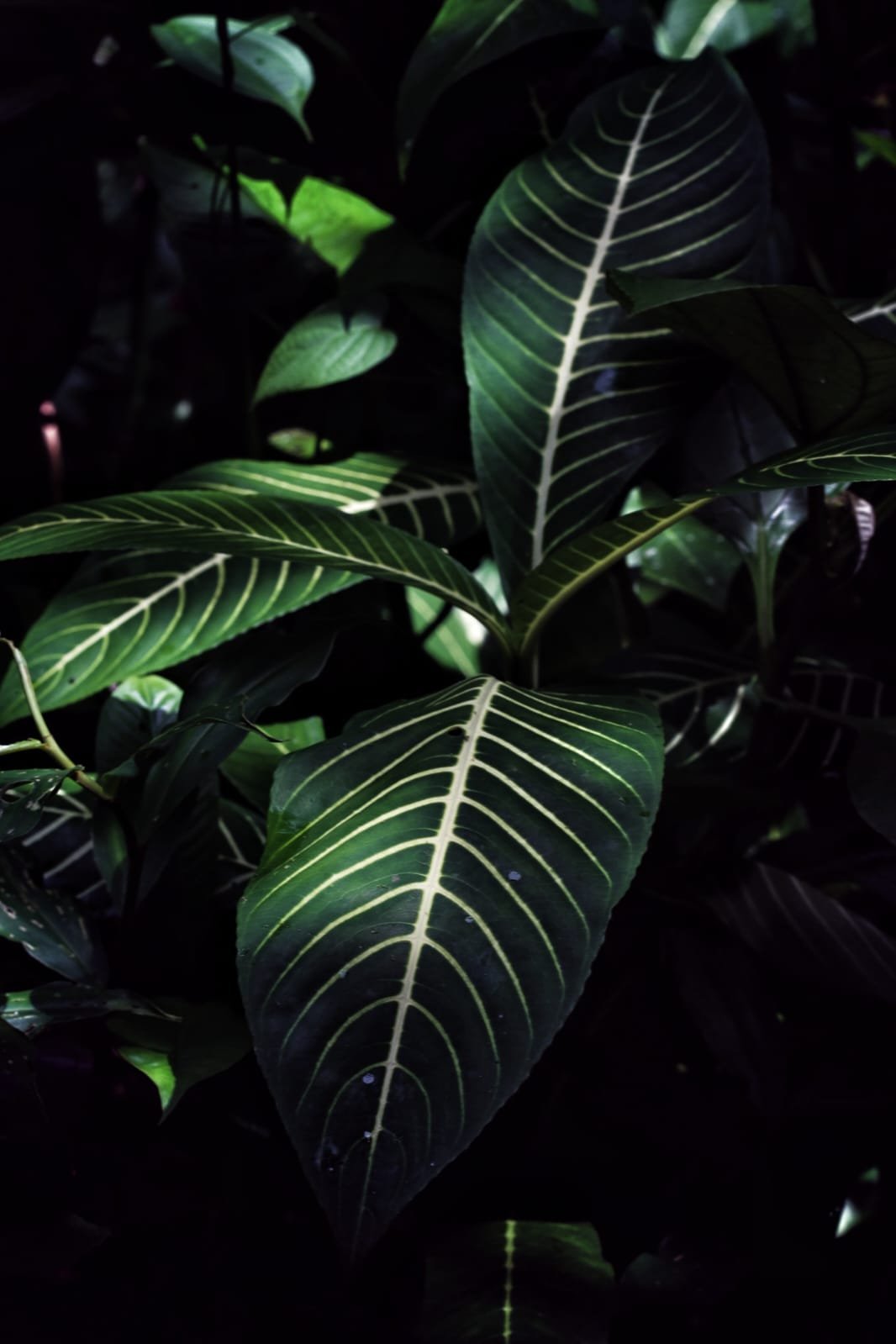
Walking into these forests feels like entering another world. Towering trees rise overhead. Massive roots spread across the forest floor. Vines hang from the canopy. The air is humid and filled with the sounds of insects, birds, and distant streams. Sunlight filters through layers of vegetation, creating constantly shifting patterns of light and shadow.
The wildlife of Cerro Hoya is among the most impressive in Panama. The park provides habitat for numerous mammals, including monkeys, wild cats, deer, and other forest species. Although many animals remain elusive, their presence can often be detected through tracks, calls, or fleeting glimpses in the forest.
Several species found within the park are considered rare or threatened elsewhere in Central America. The remoteness of the region has allowed wildlife populations to survive in areas where human pressure remains relatively limited. For conservationists, Cerro Hoya represents a vital stronghold for biodiversity.
Birdwatchers often describe the park as one of Panama’s hidden gems. The varied elevations and habitats support an extraordinary diversity of birdlife. Colorful tanagers move through the trees. Toucans call from the canopy. Raptors soar above ridges. Hummingbirds visit flowering plants throughout the forest.
The isolation of Cerro Hoya has even led to the evolution of species found nowhere else on Earth. Scientists continue to study the region because of its unique ecological characteristics. Every expedition into the park has the potential to reveal new information about one of Panama’s least understood ecosystems.
The mountains themselves are among the park’s defining features. At the heart of the protected area rises Cerro Hoya, the highest peak on the Azuero Peninsula. Reaching elevations of over 1,500 meters, the mountain creates a range of climates and habitats rarely found elsewhere in the region.
As elevation increases, the environment changes dramatically. Tropical lowland forests gradually transition into cooler mountain ecosystems. Mist becomes more common. Vegetation grows denser. The air feels fresher. These changes support species that would not survive in the hotter lowlands below.
The mountain ridges provide spectacular views across the peninsula. On clear days, visitors can see rolling hills stretching toward both coasts. The Pacific Ocean shimmers in the distance. Forests and valleys extend toward the horizon. The scenery highlights the remarkable geographic diversity contained within the park.
Water is another defining element of Cerro Hoya. Numerous rivers originate within the protected area, flowing through forests and carving deep valleys before eventually reaching the Pacific Ocean. These waterways support both wildlife and nearby communities, demonstrating the critical ecological role the park plays in the region.
Waterfalls can be found throughout the mountains, particularly during the rainy season when streams swell with rainfall. Some cascades tumble down steep cliffs while others emerge unexpectedly within dense forest. Many remain largely undocumented and are known only to local residents and experienced guides.
The coastline associated with Cerro Hoya adds yet another layer of diversity. Few national parks in Central America protect both significant mountain ecosystems and remote Pacific beaches within the same landscape. Here, rivers emerge from forests and flow directly into coastal environments where mangroves, estuaries, and marine habitats flourish.
Adventure is woven into every aspect of visiting Cerro Hoya. This is not a park where visitors simply drive to a viewpoint and return home. Exploring the region often involves hiking, river crossings, navigating rugged terrain, and embracing the uncertainties that accompany true wilderness travel.
For many outdoor enthusiasts, that challenge is precisely what makes Cerro Hoya so appealing. In an era when many natural destinations have become highly accessible and heavily visited, Cerro Hoya offers something increasingly rare: the opportunity to feel genuinely immersed in wilderness.
The climate further contributes to the park’s character. The rainy season transforms the landscape into an explosion of life. Forests become intensely green. Rivers surge with energy. Waterfalls roar through valleys. Clouds drift dramatically across mountain peaks. The dry season, meanwhile, offers clearer skies and easier access to certain areas while still preserving the beauty of the region.
One of the most remarkable aspects of Cerro Hoya is how little known it remains. While many of Panama’s most famous destinations attract international attention, Cerro Hoya continues to exist largely outside the spotlight. This relative obscurity has helped preserve its wild character and prevented the kinds of development that often accompany tourism growth.
Photographers who venture into the park often find themselves overwhelmed by opportunities. Mountain panoramas, untouched forests, wildlife, rivers, waterfalls, and dramatic coastal scenery provide endless subjects. The constantly changing weather creates shifting moods that can transform the landscape within minutes.
For scientists, Cerro Hoya remains a valuable natural laboratory. The region’s isolation and biodiversity continue to generate research interest. New discoveries about species distribution, ecosystem dynamics, and conservation challenges emerge regularly from studies conducted within the park.
What ultimately makes Cerro Hoya extraordinary is the feeling that it belongs to another era. It is one of the few places in Panama where visitors can still experience landscapes that have changed very little over centuries. The forests remain vast. The mountains remain wild. Wildlife still moves through habitats largely free from intensive human disturbance.
For hikers, it offers challenging and rewarding adventures. For birdwatchers, it provides access to rare species and unique ecosystems. For conservationists, it represents one of Panama’s most important biodiversity strongholds. For photographers and nature lovers, it offers endless inspiration.
Yet perhaps its greatest gift is perspective. Standing on a mountain ridge overlooking untouched forest, listening to rivers flow through valleys and watching clouds drift across distant peaks, visitors are reminded of how extraordinary true wilderness can be.
In a country famous for its canal, beaches, islands, and rainforests, Cerro Hoya stands apart as one of Panama’s last great frontiers. It is a place where adventure still feels real, where nature remains dominant, and where every trail leads deeper into one of the most remarkable landscapes in Central America.
For those willing to venture beyond the well-traveled routes, Cerro Hoya National Park reveals a side of Panama that few people ever see, a vast and magnificent wilderness where mountains, forests, wildlife, and solitude combine to create one of the country's greatest natural treasures.