
Nestled within the fertile plains of central Panama lies one of the most historically significant communities in the entire Western Hemisphere. Natá is not merely an old town. It is a living monument to nearly five centuries of Panamanian history, a place where the story of the country can be traced through ancient streets, colonial architecture, agricultural traditions, religious heritage, and generations of families who have called this region home. While many visitors rush between Panama City, the beaches of the Pacific coast, and the mountain towns of western Panama, Natá quietly preserves a side of the nation that few tourists ever fully experience. It is a place where the past is not hidden away in museums but remains woven into everyday life, creating one of the most fascinating cultural destinations in all of Panama.
To understand Natá is to understand just how old human history runs through the isthmus. Long before the arrival of Europeans, the fertile lands surrounding the area supported Indigenous communities that thrived thanks to the region's rich soils, rivers, wildlife, and favorable climate. The plains of Coclé have long been among the most productive agricultural regions in Panama, and people have lived here for centuries because the land itself provides everything needed for settlement and survival. When Spanish explorers eventually arrived in the early sixteenth century, they encountered a landscape already rich with culture, trade networks, and established populations.
Founded in 1522, Natá quickly became one of the most important colonial settlements in the region. The date alone is remarkable. The town was already established while much of the Americas remained unknown to Europeans. It predates the founding of countless cities throughout the New World and has existed continuously for more than five hundred years. Walking through Natá today means standing in a place that has witnessed virtually every chapter of Panamanian history. Colonial governors, merchants, farmers, priests, soldiers, revolutionaries, and modern citizens have all walked the same streets over the centuries.
One of the most impressive symbols of this extraordinary history is the magnificent Basílica Menor de Santiago Apóstol. Rising proudly over the town center, this church is among the oldest and most important religious structures in Panama. Its presence dominates the landscape and serves as a visual reminder of the town's deep historical roots. For generations, the basilica has stood at the center of community life. Weddings, baptisms, religious festivals, funerals, celebrations, and countless daily prayers have taken place within its walls. The building is not simply a historic monument but a living institution that continues to shape the cultural identity of the town.
The church's architecture reflects centuries of adaptation and preservation. Visitors standing before its façade often find themselves imagining the countless people who have gathered here throughout history. During the colonial era, the church would have served as the spiritual heart of one of the most important settlements in central Panama. Today it remains one of the country's most treasured historical landmarks and continues to attract pilgrims, historians, photographers, and travelers who appreciate its significance.
The town itself possesses an atmosphere that feels increasingly rare in the modern world. While Panama continues to develop rapidly, Natá remains deeply connected to its roots. Life unfolds at a more relaxed pace. The central plaza serves as a gathering place where neighbors meet, children play, and community life continues much as it has for generations. The historic layout of the town remains visible, allowing visitors to experience a setting that still reflects its colonial origins.
As one wanders through the streets, it becomes clear that Natá is not a destination designed for tourism. Instead, it is an authentic Panamanian community where people live, work, worship, and celebrate according to traditions that have evolved over centuries. This authenticity is one of the town's greatest strengths. Visitors are not observing a recreation of history but experiencing a living community that has successfully preserved its cultural identity.
Beyond its architecture and history, Natá owes much of its importance to the extraordinary fertility of the surrounding landscape. The plains of Coclé stretch outward in every direction, creating one of the most productive agricultural regions in the country. Vast fields of rice shimmer beneath the tropical sun. Sugarcane plantations cover enormous areas of countryside. Cattle graze peacefully in open pastures. Seasonal crops transform the landscape throughout the year, creating a constantly changing mosaic of colors and textures.
Agriculture is more than an economic activity here. It is the foundation upon which local culture has been built. Generations of families have worked the land, passing down knowledge, traditions, and values from one generation to the next. The connection between the people and the surrounding countryside remains strong. Early mornings often begin with agricultural work, while local markets reflect the abundance produced by the fertile soils of the region.
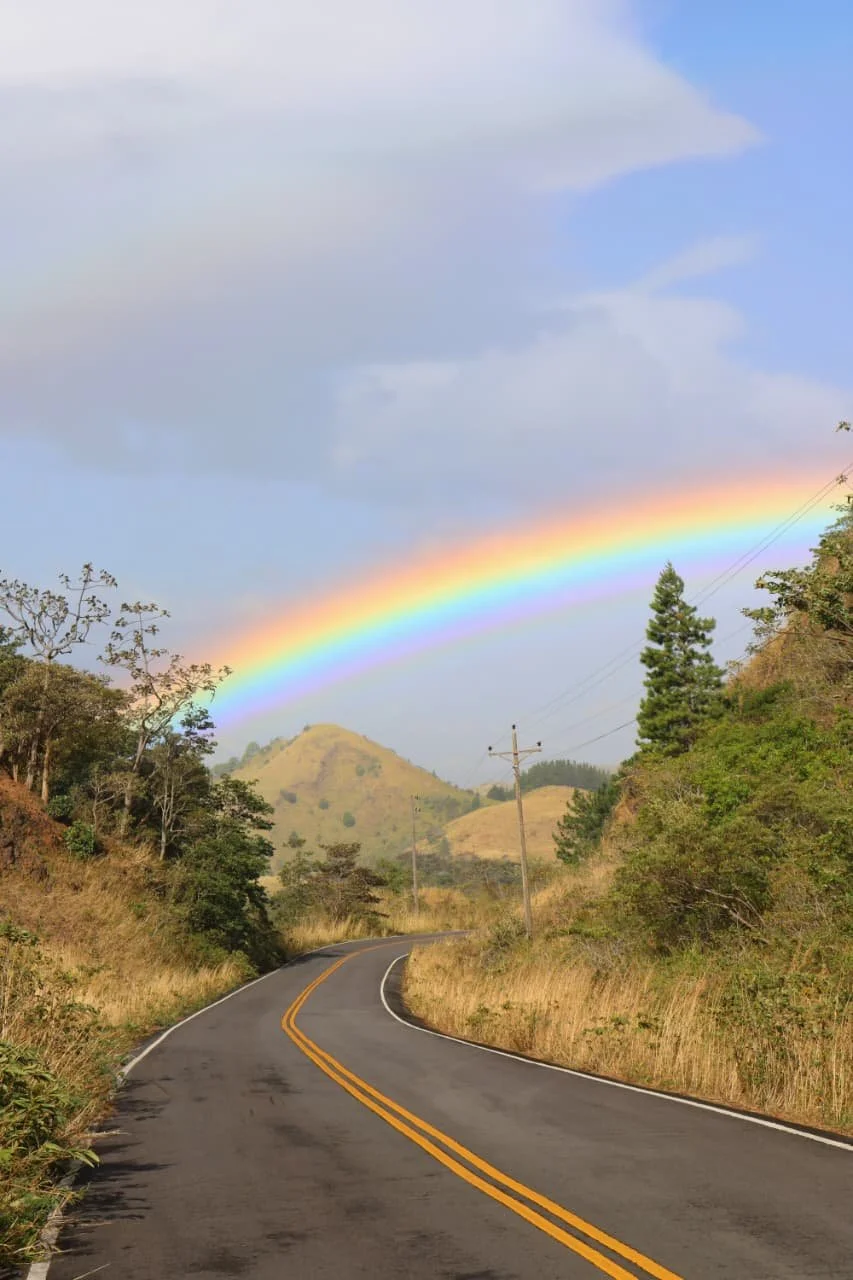
The climate contributes significantly to this agricultural success. Unlike the rain soaked jungles often associated with Panama, the region around Natá experiences a pronounced dry season. During certain months the landscape takes on golden tones, creating scenes reminiscent of tropical savannas. As the rainy season arrives, the countryside transforms once again into a vibrant green landscape full of life and growth. These seasonal changes have shaped agricultural practices for centuries and continue to influence daily life.
The surrounding countryside is beautiful in its own understated way. Rolling fields stretch toward distant hills. Rivers wind through agricultural lands. Herds of cattle move across open pastures. The scenery may not possess the dramatic mountains of Chiriquí or the tropical islands of Bocas del Toro, but it offers a glimpse into a side of Panama that remains deeply connected to the land.
Cultural traditions remain exceptionally strong in Natá. Religious celebrations are among the most important events of the year, bringing together residents from across the region. Festivals fill the streets with music, food, processions, and community gatherings. These events serve as reminders that Natá's history is not merely something remembered but something actively lived.
Food plays a central role in this cultural continuity. Traditional Panamanian cuisine thrives in the region, drawing upon ingredients produced locally. Rice, corn, beef, pork, chicken, tropical fruits, and vegetables all feature prominently in local dishes. Many recipes have been handed down through generations, preserving flavors that connect present day residents to their ancestors.
Visitors who spend time in Natá often discover that the greatest attraction is not a specific landmark but the atmosphere itself. There is a sense of continuity here that is difficult to describe. The town feels grounded. Its identity has been shaped gradually over centuries rather than rapidly transformed by modern development. This creates a feeling of authenticity that many travelers find deeply appealing.
As evening approaches, the town becomes particularly charming. The heat of the day begins to soften. Families gather in public spaces. Conversations drift through the streets. The basilica glows against the fading light. The surrounding countryside settles into the peaceful rhythms of rural life. It becomes easy to imagine how little certain aspects of life here have changed over generations.
What makes Natá truly extraordinary is its role as a bridge between different eras of Panamanian history. Indigenous heritage, colonial traditions, agricultural culture, religious devotion, and modern community life all intersect here. Few places in Panama offer such a complete picture of the country's historical development.
For history enthusiasts, Natá provides one of the most direct connections to the earliest colonial period in Panama. For cultural travelers, it offers a chance to experience traditions that remain vibrant and meaningful. For photographers, it presents beautiful architecture, historic streets, and expansive rural landscapes. For anyone seeking a deeper understanding of Panama beyond its most famous attractions, Natá delivers an experience that is both educational and deeply rewarding.
In a nation celebrated for engineering marvels, tropical beaches, rainforests, and islands, Natá stands as a reminder that Panama's greatest treasures are not always its most famous ones. Hidden within the fertile heart of Coclé lies a community that has endured for more than five centuries, preserving a story that continues to unfold every day. Natá is not simply one of Panama's oldest towns. It is one of its most important, most authentic, and most fascinating places, a living testament to the remarkable history of the isthmus and the people who have shaped it across the centuries.