
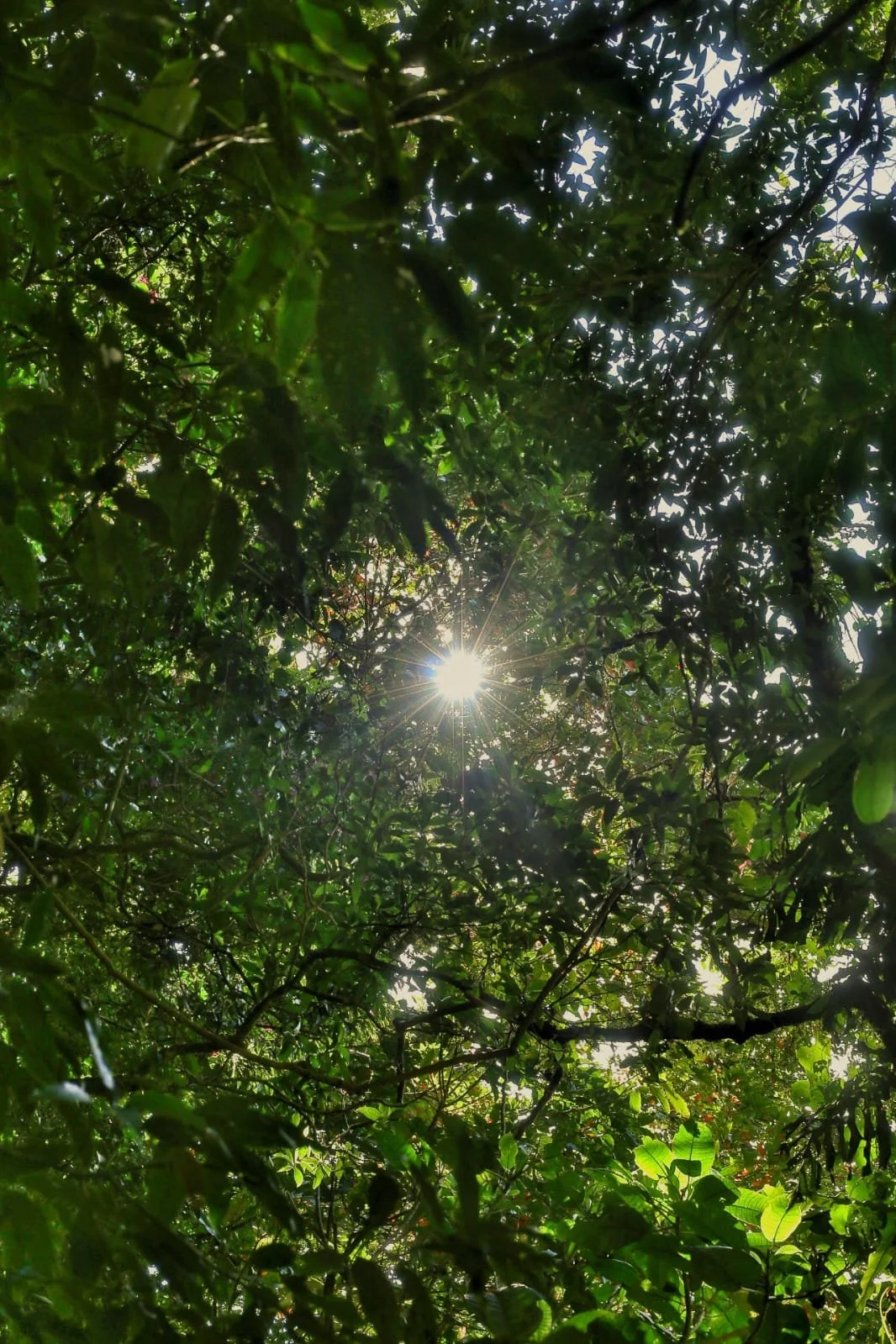
Among the emerald islands, turquoise lagoons, coral reefs, mangrove forests, and palm lined beaches of Panama's Caribbean coast, there is one island that stands apart from all the others. It is larger, wilder, more mysterious, and far less developed than many of its neighbors. It is a place where dense rainforest spills down mountainsides toward the sea, where red poison dart frogs hide among jungle leaves, where sea turtles emerge from the ocean under the cover of darkness, and where small Indigenous and Afro Caribbean communities continue traditions that have shaped the island for generations. This is Isla Bastimentos, one of the most extraordinary islands in Panama and arguably one of the most fascinating destinations anywhere in the Caribbean.
For many visitors arriving in the archipelago of Bocas del Toro, the brightly colored waterfront buildings and lively atmosphere of Bocas Town often serve as their introduction to the region. Yet only a short boat ride away lies a completely different world. As water taxis cross the bay toward Bastimentos, the scenery begins to change. The sounds of town gradually disappear. The jungle grows thicker. The coastline becomes more rugged. Mountains rise from the sea. Vast stretches of untouched rainforest dominate the horizon. Almost immediately, visitors realize they are entering a place where nature remains the primary force shaping the landscape.
Isla Bastimentos is the largest island in the Bocas del Toro archipelago and one of the most ecologically important regions in Panama. Covering a vast area of rainforest, wetlands, beaches, coral reefs, mangroves, and coastal ecosystems, the island supports an astonishing diversity of wildlife and habitats. Unlike many tropical islands that have been heavily developed, large portions of Bastimentos remain remarkably wild. This wilderness is not merely scenic. It is alive with biodiversity and ecological significance.
The island's dramatic geography is one of the first things that captivates visitors. Unlike the flatter islands found elsewhere in the Caribbean, Bastimentos is mountainous and rugged. Dense forests cloak steep hillsides. Rivers and streams descend through valleys. Hidden beaches appear between rocky headlands. The terrain creates a sense of adventure and exploration that permeates every visit.
Viewed from the water, Bastimentos looks almost prehistoric. Towering trees form an unbroken green canopy stretching from mountain ridges to the sea. Clouds drift across forested slopes. The island appears less like a tourist destination and more like a forgotten corner of the natural world.
One of the defining features of the island is the remarkable Bastimentos Island National Marine Park. Established to protect both terrestrial and marine ecosystems, the park encompasses rainforests, mangrove systems, coral reefs, beaches, and offshore waters. It was Panama's first marine national park in the Caribbean and remains one of the country's most important conservation areas.
The diversity protected within the park is staggering. Few places in Panama contain such a rich mixture of ecosystems concentrated within a relatively small geographic area. Visitors can explore rainforest in the morning, snorkel coral reefs in the afternoon, and watch sea turtles nest on remote beaches at night. Every environment supports its own unique community of plants and animals.
The rainforest itself is among the island's greatest treasures. Walking through Bastimentos' jungle is an unforgettable experience. Massive trees tower overhead. Vines twist through the canopy. Tropical flowers emerge from dense vegetation. The air is humid, rich with the scent of earth and vegetation. Bird calls echo through the forest while insects create a constant background soundtrack.
The jungle feels ancient. In many areas, it remains remarkably intact, providing habitat for species that have disappeared from more developed landscapes. Visitors quickly realize that Bastimentos is not simply beautiful. It is ecologically significant on a national and international scale.
Among the island's most famous inhabitants is the tiny but spectacular Strawberry Poison Dart Frog. Often called the red poison dart frog, this tiny amphibian has become one of the symbols of Bastimentos. Brilliant red, orange, blue, yellow, and green variations can be found throughout the island, depending on location and genetic populations.
Scientists from around the world have studied these frogs because of their extraordinary color diversity. In some parts of Bastimentos, frogs may be bright red with blue legs. In others they may appear orange, green, or even nearly entirely blue. Few places on Earth offer such remarkable variation within a single species.
For wildlife enthusiasts, spotting one of these tiny creatures among the jungle leaves is often a highlight of visiting Bastimentos. Despite their small size, their vibrant colors seem almost unreal against the deep green backdrop of the rainforest.
The beaches of Bastimentos are equally remarkable. Perhaps the most famous is Red Frog Beach, named after the colorful poison dart frogs found in the surrounding forest. The beach has become internationally known for its stunning scenery. Golden sand stretches between lush rainforest and turquoise Caribbean waters. Palm trees sway overhead while waves roll gently ashore.
Yet Red Frog Beach is only the beginning. Hidden around the island are numerous beaches that remain far less visited. Some can only be reached by boat or forest trails. Others emerge unexpectedly between rocky coastlines and jungle covered hills. Many feel completely untouched, offering visitors the rare experience of standing on a tropical Caribbean beach with virtually nobody else around.
One of the most extraordinary locations on the island is Playa Larga. This remote beach plays a crucial role in sea turtle conservation. During nesting season, endangered turtles emerge from the ocean to lay eggs in the sand. Witnessing this event is among the most powerful wildlife experiences available anywhere in Panama.
Several species of sea turtles utilize the beaches of Bastimentos, including the critically endangered Hawksbill Sea Turtle and the impressive Leatherback Sea Turtle. Conservation programs work tirelessly to monitor nests, protect hatchlings, and ensure that future generations of turtles continue returning to these shores.
The marine environment surrounding Bastimentos is every bit as impressive as the rainforest. Coral reefs flourish beneath the surface, creating underwater ecosystems filled with life. Snorkelers often encounter colorful fish, sea stars, rays, sponges, and intricate coral formations.
The water itself can be breathtakingly clear. Sunlight penetrates deep into the sea, illuminating coral gardens that seem to glow beneath the surface. Every snorkeling trip reveals new marine species and reinforces the extraordinary biodiversity that defines the region.
Yet Bastimentos is not only a story of nature. It is also a place of rich cultural heritage. Small communities scattered around the island preserve traditions shaped by Indigenous and Afro Caribbean influences. The island's human history is as fascinating as its natural history.
The community of Old Bank serves as the island's main settlement and offers a glimpse into a unique cultural world. Colorful wooden homes line the waterfront. Boats remain an essential form of transportation. Residents speak a distinctive Caribbean English creole alongside Spanish. Music, food, language, and traditions reflect generations of cultural exchange throughout the Caribbean.
Walking through Old Bank feels very different from walking through mainland Panama. The rhythms of daily life, architectural styles, and cultural influences create an atmosphere more closely connected to the broader Caribbean world. This cultural diversity is one of the reasons Bocas del Toro remains one of Panama's most fascinating regions.
Food on Bastimentos reflects this heritage. Coconut milk plays an important role in many dishes. Seafood is abundant and fresh. Traditional Caribbean recipes combine local ingredients with influences from Africa, Indigenous cultures, and neighboring islands. Meals often become memorable cultural experiences in their own right.
The mangrove forests surrounding Bastimentos deserve special recognition as well. These ecosystems may not possess the obvious beauty of beaches or coral reefs, yet they are among the most important habitats on the island. Mangroves serve as nurseries for fish, protect coastlines from erosion, filter water, and support an extraordinary range of wildlife.
Exploring mangrove channels by kayak is one of the most peaceful experiences available on the island. Narrow waterways wind through tangled roots and overhanging branches. Birds move through the canopy. Small fish dart through the water below. The stillness creates an almost magical atmosphere.
For adventure travelers, Bastimentos offers endless opportunities. Jungle trails connect beaches and viewpoints. Boat excursions explore hidden coves and neighboring islands. Snorkeling reveals underwater ecosystems teeming with life. Surf breaks attract wave riders during favorable conditions. Every day presents opportunities for exploration.
The island also possesses a quality that many travelers find increasingly valuable: a sense of remoteness. Despite its growing popularity, large portions of Bastimentos still feel wild and undeveloped. There are places where the sounds of civilization disappear entirely, replaced by waves, birds, insects, and wind moving through the forest.
Sunsets over Bastimentos are often spectacular. The Caribbean sky transforms into shades of orange, pink, purple, and gold. Reflections shimmer across calm water. Boats return to shore. The jungle gradually settles into nighttime rhythms. As darkness falls, the sounds of frogs and insects emerge once again from the forest.
Night on Bastimentos is a world unto itself. Under clear skies, stars shine brilliantly above the island. The absence of extensive urban development allows visitors to experience a darkness that has become rare in many parts of the world. The rainforest comes alive with nocturnal activity. Every sound hints at hidden wildlife moving through the forest.
What ultimately makes Isla Bastimentos so extraordinary is its ability to offer multiple experiences simultaneously. It is a wildlife sanctuary, a cultural destination, a marine paradise, a rainforest wilderness, and an adventure travel hotspot all at once. Few places in the Caribbean possess such diversity within a single island.
For nature lovers, it provides some of the richest biodiversity in Panama. For photographers, it offers endless visual inspiration. For backpackers, it delivers adventure and authenticity. For beach enthusiasts, it provides some of the most beautiful coastlines in the country. For conservationists, it stands as one of Panama's most important protected landscapes.
In a nation famous for extraordinary natural beauty, Isla Bastimentos occupies a special place. It is the wild heart of Bocas del Toro, a place where rainforest meets coral reef, where sea turtles still return to ancient nesting beaches, where poison dart frogs hide among jungle leaves, and where Caribbean culture continues to thrive alongside one of the most important ecosystems in Central America.
Those who visit often arrive expecting a tropical island and leave having experienced something much greater. Bastimentos is not simply an island. It is an entire world of rainforests, reefs, wildlife, culture, adventure, and natural wonder. It represents the Caribbean at its most authentic, most beautiful, and most unforgettable.