
Far from the busy highways of Panama and far beyond the destinations that appear in most travel guides lies one of the country's most remarkable hidden treasures. Tucked away along the wild Pacific coast of southern Veraguas, surrounded by jungle covered mountains, pristine rivers, remote beaches, and some of the least explored landscapes in Central America, Pixvae is a place that feels wonderfully disconnected from the modern world. For travelers seeking authentic adventure, untouched nature, and a glimpse into a slower and more traditional way of life, few destinations in Panama can rival the experience of reaching this extraordinary coastal village.
The journey to Pixvae is part of what makes it so special. Unlike destinations connected by major highways and tourism infrastructure, getting to Pixvae requires effort and determination. Travelers pass through increasingly remote countryside, winding roads, small villages, forested hills, and rugged landscapes before finally arriving at a coastline that seems almost forgotten by time. Every kilometer traveled creates a growing sense of anticipation, and by the time visitors arrive, it becomes clear that they have reached one of Panama's true hidden frontiers.
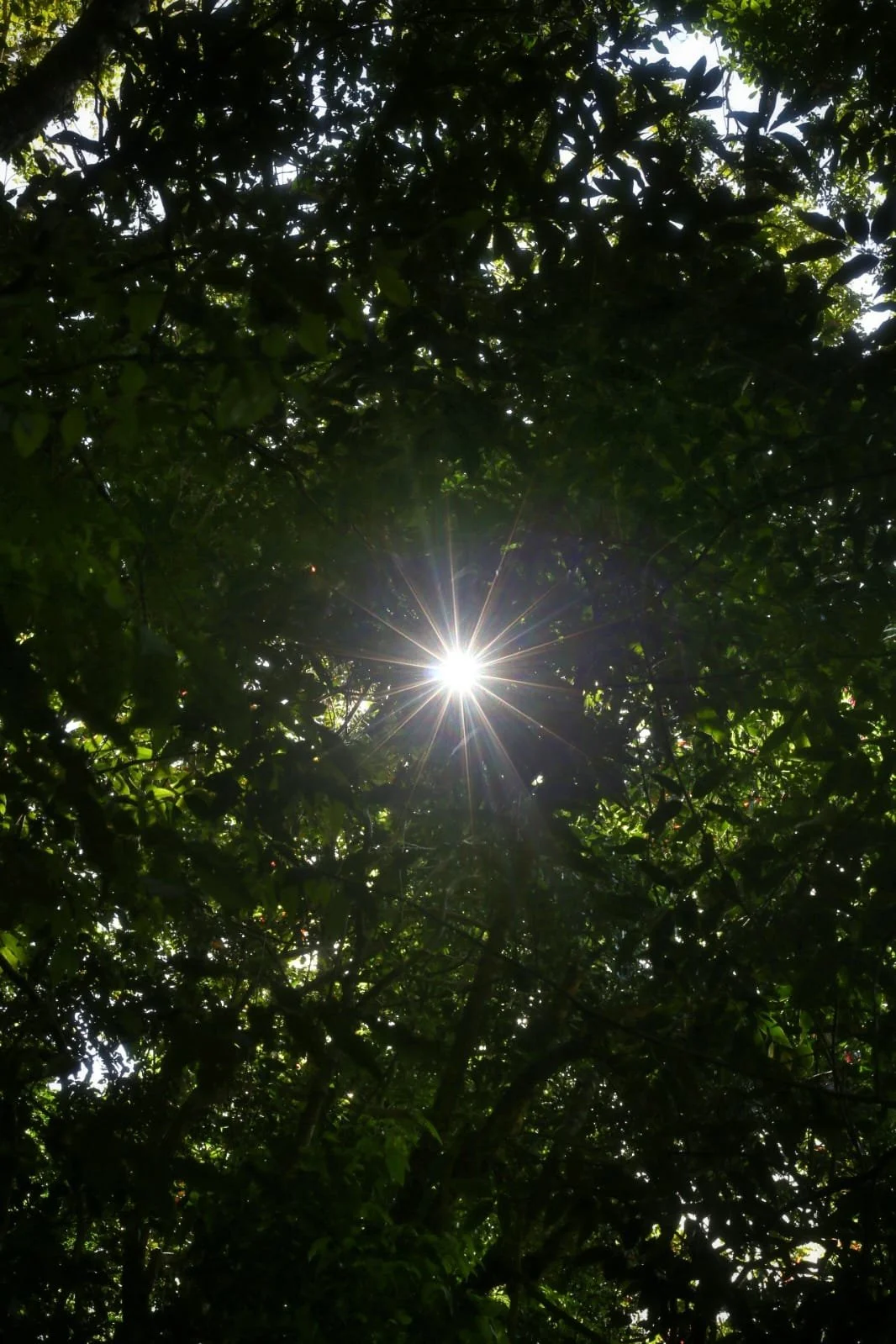
What immediately distinguishes Pixvae from many other coastal destinations is the dramatic landscape surrounding it. This is not a region of sprawling resorts or crowded beaches. Instead, steep green mountains descend directly toward the Pacific Ocean. Dense tropical forests cover the hillsides. Rivers tumble from the highlands toward the sea. Small coves and beaches appear between rocky headlands. The scenery feels wild, powerful, and largely untouched.
One of the most fascinating aspects of Pixvae is its location near some of Panama's most important protected natural areas. The village serves as one of the gateways to the magnificent Cerro Hoya National Park, one of the least visited and most pristine national parks in the country. This immense protected wilderness contains mountain forests, rivers, waterfalls, rare wildlife, and ecosystems that have remained remarkably intact due to their isolation.
For nature enthusiasts, this proximity to Cerro Hoya transforms Pixvae into much more than a coastal village. It becomes a launching point for exploration into one of Central America's last great wilderness areas. The forests surrounding the region support extraordinary biodiversity, including monkeys, tropical birds, reptiles, amphibians, and countless plant species. Every trail and river valley seems to offer opportunities for discovery.
The ocean is equally important to the identity of Pixvae. For generations, local residents have depended upon the Pacific for food, transportation, and livelihood. Fishing remains deeply woven into daily life, and visitors quickly notice the close relationship between the community and the sea. Small boats rest along the shoreline. Fishermen depart before sunrise and return with the day's catch. The rhythms of the tides and weather continue to influence life much as they have for centuries.
The waters around Pixvae are remarkably rich in marine life. Dolphins are occasionally seen offshore. Sea turtles move through the region's coastal waters. During migration seasons, humpback whales pass through the Pacific coast of Panama, providing unforgettable encounters for fortunate observers. The surrounding marine ecosystems remain relatively healthy due to the region's low population density and limited development.
The beaches near Pixvae possess a rugged beauty that differs from the postcard image of Caribbean islands. Here, visitors find dramatic Pacific landscapes shaped by waves, tides, rivers, and rocky coastlines. Some beaches stretch for long distances without another person in sight. Others appear as hidden coves framed by jungle covered hills. Walking these shores often creates the feeling of exploring a place that few outsiders have ever discovered.
One of the greatest pleasures of visiting Pixvae is simply experiencing the sense of solitude. In an increasingly connected world, genuinely remote destinations have become rare. Pixvae remains one of those places where visitors can still disconnect from noise, crowds, and constant activity. The sounds that dominate the landscape are waves, birds, insects, flowing rivers, and wind moving through the trees.
The rivers flowing from the mountains deserve special attention. Fed by seasonal rains and forest watersheds, they carve through valleys before reaching the Pacific. Many contain crystal clear pools, rapids, waterfalls, and shaded sections perfect for exploration. These rivers are not only beautiful but also essential to the surrounding ecosystems and communities.
Birdwatchers often find the region around Pixvae exceptionally rewarding. The combination of coastal habitats, forests, rivers, and mountains creates ideal conditions for an impressive variety of bird species. Colorful parrots fly overhead. Toucans move through forest canopies. Herons and egrets patrol riverbanks and estuaries. Raptors soar above mountain ridges searching for prey.
The changing elevations surrounding the village contribute significantly to this biodiversity. Within a relatively short distance, visitors can move from coastal environments to forested foothills and eventually toward the higher elevations associated with Cerro Hoya. Each habitat supports its own unique collection of species, making the region a paradise for wildlife observation.
The community itself remains one of the most authentic aspects of the experience. Unlike destinations built primarily around tourism, Pixvae continues to function as a traditional Panamanian fishing and farming village. Visitors encounter real daily life rather than attractions designed specifically for outsiders. This authenticity creates opportunities for meaningful cultural experiences and genuine interactions with local residents.
Life moves at a slower pace in Pixvae. Days are shaped by fishing schedules, weather patterns, tides, and community routines rather than strict timetables. Many travelers find this slower rhythm refreshing and restorative. Time seems to expand, allowing visitors to appreciate details that are often overlooked in busier destinations.
Food in Pixvae reflects the bounty of both land and sea. Fresh fish and seafood frequently appear on local tables, often prepared using traditional methods passed down through generations. Tropical fruits thrive in the surrounding region, while agricultural products from nearby farms contribute to simple but flavorful meals. Dining here feels closely connected to the local environment and culture.
Sunsets along the coast of Pixvae are often spectacular. Facing the Pacific Ocean, the village enjoys sweeping views of the horizon as the sun sinks into the sea. The sky transforms into shades of orange, red, gold, and purple while reflections shimmer across the water. The mountains become dark silhouettes against the fading light. Every evening feels like a private performance staged by nature.
As darkness falls, the region reveals another layer of beauty. Far from major cities and significant light pollution, the night skies can be extraordinary. Stars appear in remarkable abundance. The Milky Way stretches across the heavens on clear nights. Meanwhile, the sounds of nocturnal wildlife emerge from the surrounding forests, creating an atmosphere that feels deeply connected to the natural world.
Adventure travelers increasingly recognize Pixvae as one of Panama's most exciting emerging destinations. Hiking, fishing, wildlife observation, photography, kayaking, beach exploration, and visits to nearby protected areas all offer opportunities for memorable experiences. Yet unlike many adventure destinations that become crowded after gaining popularity, Pixvae still retains the feeling of a true discovery.
Photographers are especially drawn to the region because of its incredible variety of landscapes. Forested mountains, rivers, coastal scenery, wildlife, fishing boats, sunsets, and traditional village life provide endless inspiration. The constantly changing weather and light conditions create dramatic scenes throughout the day.
What ultimately makes Pixvae so special is the combination of wilderness and authenticity. It is not simply beautiful. Many places are beautiful. What sets Pixvae apart is that it remains genuinely wild and deeply connected to its natural surroundings. Visitors are not observing nature from a distance. They are immersed within it.
For hikers, it offers access to remote forests and mountain landscapes. For wildlife enthusiasts, it provides opportunities to encounter some of Panama's richest biodiversity. For photographers, it delivers endless visual rewards. For travelers seeking solitude, it offers peace and remoteness that have become increasingly difficult to find.
In a country famous for tropical islands, famous beaches, and bustling cities, Pixvae remains one of Panama's best kept secrets. It is a place where rivers still run clear from mountain forests, where fishermen continue centuries old traditions, where sunsets illuminate an untouched coastline, and where nature remains the dominant force shaping the landscape.
Those who make the effort to reach Pixvae often leave with the feeling that they have experienced a side of Panama that few people ever see. It is a destination that rewards curiosity, patience, and a spirit of adventure. Hidden between the mountains of Veraguas and the vast Pacific Ocean, Pixvae stands as one of the last places in Panama where true exploration still feels possible, and where the beauty of the natural world remains wonderfully untamed.