
If Panama were a miniature version of all the landscapes, cultures, and experiences that make Central America fascinating, then the province of Coclé would be its perfect center. Sitting almost exactly in the heart of the country, Coclé is one of those places that many travelers pass through without realizing how much they are missing. It is a province of dramatic mountains and sun baked plains, cloud forests and Pacific beaches, archaeological mysteries and agricultural traditions, sleepy villages and booming resort developments. It is a place where indigenous history stretches back thousands of years and where modern Panama continues to evolve at a remarkable pace.
For many Panamanians, Coclé represents the crossroads of the nation. Almost everyone traveling west from Panama City toward the interior passes through the province. The Pan American Highway cuts directly through its heart, carrying tourists, truckers, families, commuters, and adventurers. Yet while countless people drive through Coclé, far fewer take the time to truly explore it. Those who do often discover that it may be one of the most underrated provinces in the entire country.
One of the first things that makes Coclé fascinating is its geography. Unlike provinces that are dominated by a single landscape, Coclé contains an astonishing variety of environments. Along the Pacific coast, warm beaches stretch toward the horizon. Inland, rolling agricultural lands support ranches and farms. Farther north, mountains rise dramatically into cloud covered highlands. Rivers carve through valleys. Forests cling to steep slopes. In some areas, temperatures can feel tropical and hot. A short drive later, cool mountain breezes may require a light jacket. Few provinces in Panama pack so much environmental diversity into such a compact area.
The provincial capital, Penonomé, serves as the cultural and commercial heart of Coclé. Unlike the frenetic pace of Panama City, Penonomé possesses a relaxed atmosphere that reflects its role as a traditional provincial center. Its streets reveal a blend of history and modern development. Government offices, schools, markets, churches, restaurants, and businesses all contribute to a city that feels authentically Panamanian. While tourists often hurry through on their way to beaches or mountain destinations, Penonomé offers a glimpse into everyday life in the country's interior.
Perhaps nowhere is Coclé's diversity more apparent than in its famous beaches. Along the Pacific coast lie some of Panama's best known seaside communities. Areas such as Playa Blanca, Farallón, Santa Clara, and nearby coastal zones have become major destinations for both domestic and international tourism. White and golden sands meet warm Pacific waters. Resorts rise near fishing villages. Weekend visitors from Panama City arrive in large numbers seeking sunshine and relaxation. These beaches have helped transform parts of Coclé into one of the country's most important tourism corridors.
Yet to focus only on the beaches would be to miss one of the province's greatest treasures: its mountains.
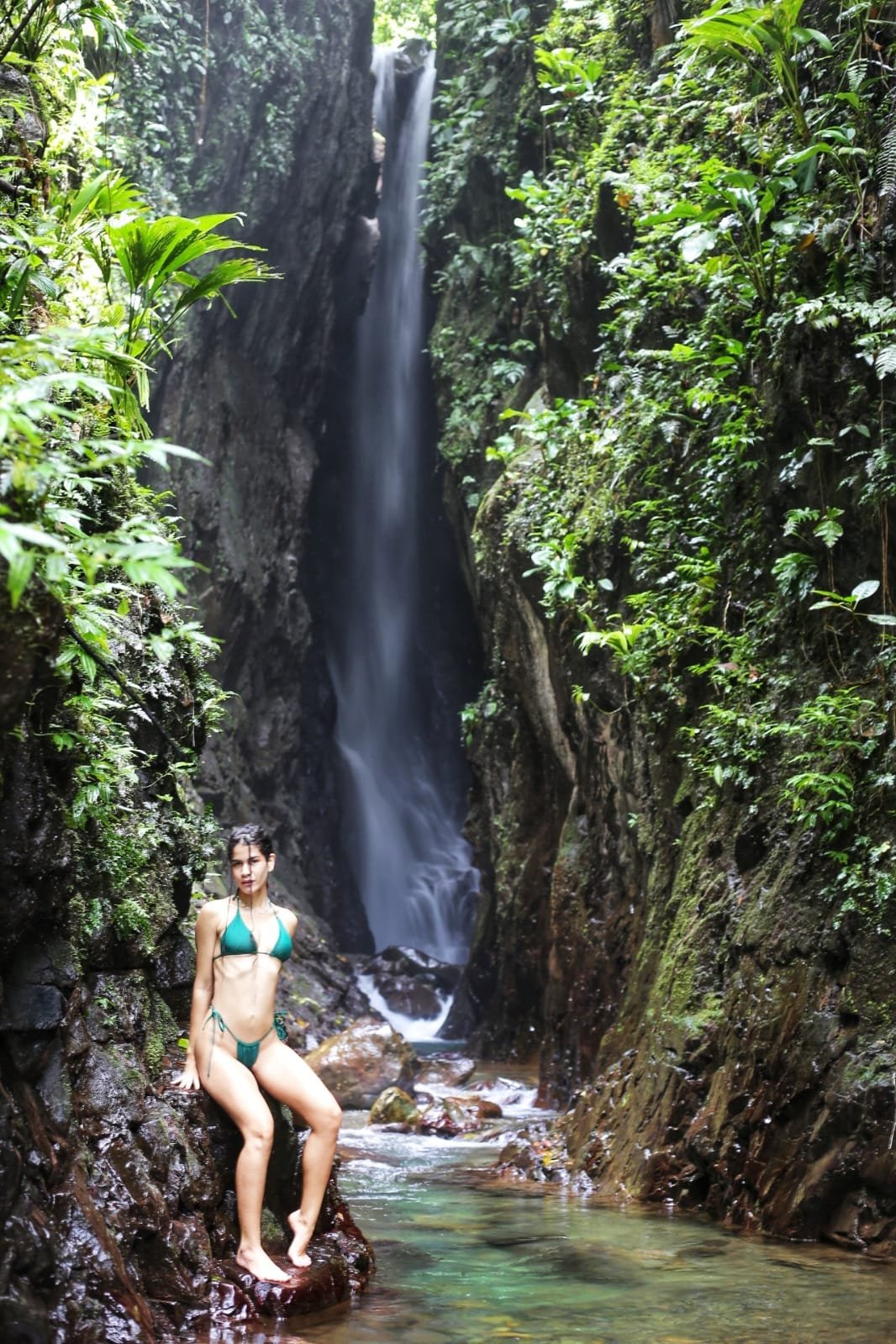
The northern portion of Coclé rises into some of Panama's most spectacular highland scenery. Forested slopes, waterfalls, rivers, and cooler climates create environments completely different from the coast. Perhaps the most famous destination is El Valle de Antón, one of the most extraordinary communities in Central America. Located inside the crater of an extinct volcano, El Valle combines natural beauty, biodiversity, and a pleasant climate that has attracted visitors for generations.
El Valle often feels like a different world from the lowlands below. Mist drifts through the hills. Flower gardens flourish. Hiking trails lead to waterfalls and viewpoints. Birdsong fills the forests. The surrounding mountains create a sense of enclosure and tranquility that is rare in modern life. It has become a favorite destination for nature lovers, retirees, artists, and anyone seeking relief from the heat of the coast.
What many visitors do not realize is that the volcanic history that created El Valle helped shape much of the surrounding region. Coclé's geology is complex and fascinating. Ancient volcanic activity contributed to fertile soils that continue to support agriculture today. These soils have allowed generations of farmers to cultivate crops that help feed the nation.
Agriculture remains one of the defining features of Coclé. Driving through the province reveals vast fields, cattle pastures, fruit plantations, and agricultural communities. Farmers produce rice, corn, sugarcane, vegetables, fruits, and livestock. Rural life remains deeply important despite increasing development. Agricultural traditions connect modern residents with generations of people who worked the same landscapes long before highways and resorts arrived.
The province's connection to corn is particularly noteworthy. Some of Panama's most beloved traditional foods trace their roots to agricultural communities in Coclé. Corn based dishes, drinks, and recipes remain important parts of local culture. Perhaps the most famous example is chicheme, the sweet corn based beverage that has become synonymous with Coclé. Travelers stopping at roadside stands often encounter vendors selling this creamy drink flavored with cinnamon, vanilla, milk, and sugar. For many Panamanians, a journey through Coclé feels incomplete without a cup of chicheme.
History lovers find Coclé equally rewarding. Long before Europeans arrived, sophisticated indigenous cultures flourished throughout the region. Archaeological discoveries have revealed evidence of advanced societies that developed rich artistic traditions, complex trade networks, and impressive craftsmanship. Some of the most important archaeological sites in Panama are located in Coclé.
The ancient culture associated with the region became famous for its remarkable goldwork, pottery, and burial practices. Archaeologists have uncovered extraordinary artifacts that demonstrate the skill and sophistication of the people who once lived here. These discoveries transformed understanding of pre Columbian Panama and revealed that the isthmus played a much more important role in regional history than many had previously realized.
Among the most famous archaeological discoveries is the site of Sitio Conte. Excavations revealed elaborate burials containing gold ornaments, jewelry, ceramics, and other artifacts that rank among the most important archaeological finds in Central America. The discoveries provided valuable insights into the social structure, beliefs, and artistic achievements of ancient Panamanian cultures.
Nature enthusiasts often discover that Coclé is one of the country's best birdwatching provinces. The combination of forests, mountains, rivers, agricultural lands, and coastal habitats supports an extraordinary variety of birdlife. Toucans, parrots, motmots, hawks, hummingbirds, tanagers, and many other species can be found throughout the province. The highlands around El Valle are particularly popular among birdwatchers seeking some of Panama's most beautiful avian residents.
Wildlife extends beyond birds. Forests shelter monkeys, sloths, reptiles, amphibians, and countless insects. Rivers support freshwater ecosystems. The province's environmental diversity creates habitats for an impressive range of species. For many visitors, one of the greatest pleasures of Coclé is simply experiencing how quickly landscapes and ecosystems change as one moves from coast to mountains.
In recent decades, Coclé has also become a symbol of Panama's economic transformation. Resort developments, residential communities, infrastructure projects, and commercial investments have reshaped portions of the province. Areas once known primarily for agriculture now attract retirees, second home owners, and international investors. The growth has brought opportunities, jobs, and development while also raising important questions about balancing progress with environmental and cultural preservation.
Despite these changes, much of Coclé retains a deeply authentic character. Traditional festivals continue to fill town squares with music and celebration. Agricultural fairs showcase local products and livestock. Family businesses operate alongside newer enterprises. Community ties remain strong. Visitors often find that beyond the beaches and tourist attractions lies a province where local traditions continue to thrive.
Perhaps what makes Coclé truly special is its balance. It is developed but not overwhelmed by development. It is accessible but still contains places that feel remote. It welcomes tourists without losing its identity. It offers beaches, mountains, history, agriculture, wildlife, and culture within a relatively small area. Few provinces in Panama provide such a complete picture of the country itself.
For travelers seeking to understand Panama beyond its canal and capital city, Coclé offers an ideal introduction. It is a province where ancient civilizations, farming traditions, volcanic landscapes, tropical beaches, and modern ambitions all coexist. Every road seems to lead toward another discovery. Every valley hides a story. Every mountain reveals another view.
In many ways, Coclé is not just the geographical heart of Panama. It is one of the best places to experience the country's soul.