
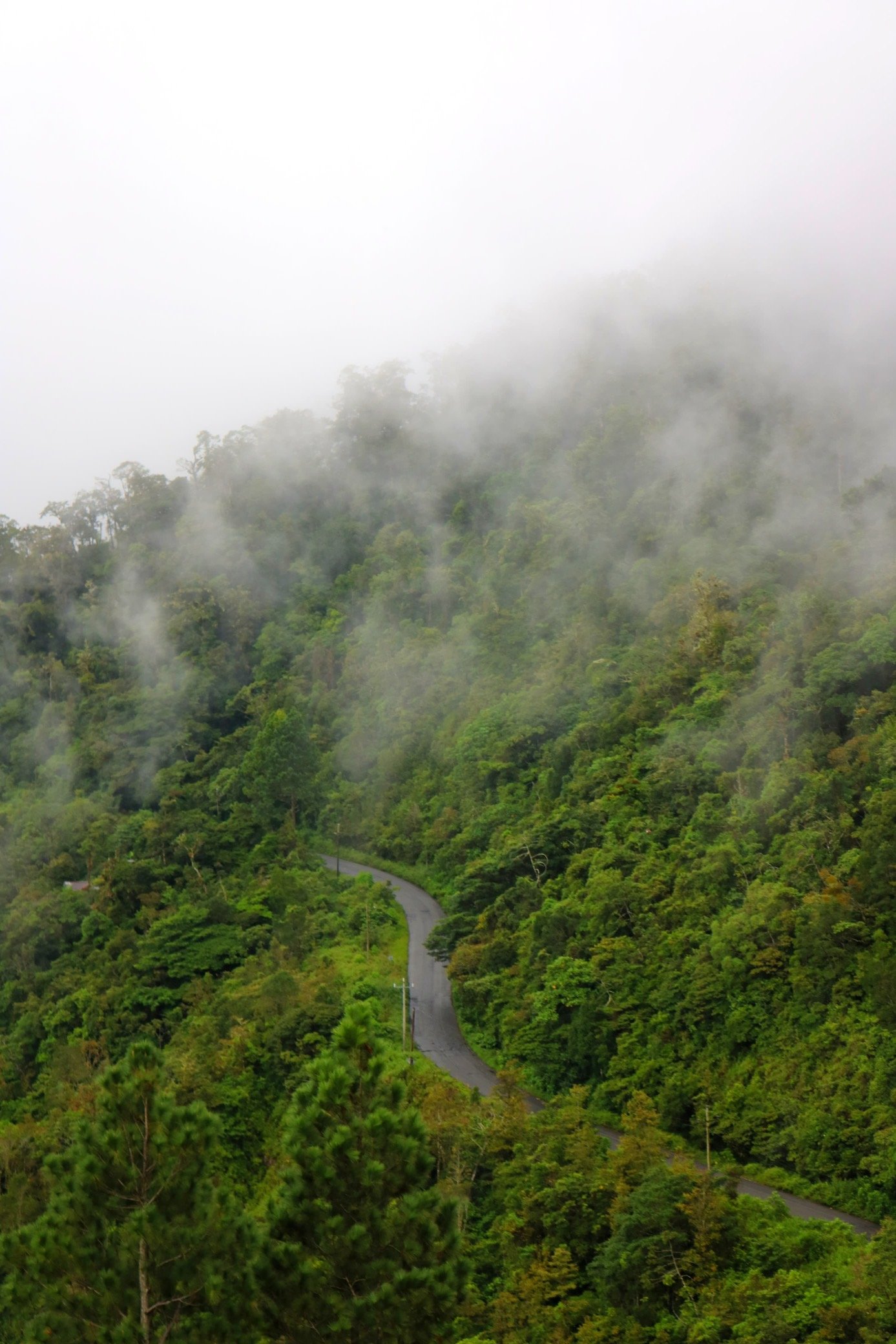
One of the most common questions people type into search engines before visiting Panama is surprisingly simple: "Is Panama safe?" It is a fair question. Whether someone is planning a vacation, considering retirement, working remotely as a digital nomad, or thinking about relocating permanently, safety is often one of the biggest concerns. The challenge is that many answers found online tend to be either overly optimistic or unnecessarily alarmist. Some articles make Panama sound like a tropical paradise where nothing ever goes wrong. Others focus exclusively on isolated incidents and create the impression that danger lurks around every corner.
The reality lies somewhere in between.
The honest truth is that Panama is generally considered one of the safer countries in Latin America for tourists, retirees, and expats, but like every country on Earth, it has risks, challenges, and areas where common sense is important. Understanding those realities can help visitors enjoy the country while avoiding unnecessary problems.
How Safe Is Panama Compared to Other Countries?
For many travelers arriving from North America or Europe, Panama often feels surprisingly comfortable and familiar. The country has modern shopping malls, international hotel chains, reliable telecommunications, modern banking services, major hospitals, and a large tourism industry. Panama City in particular feels more like a modern international metropolis than what many first time visitors expect.
Compared with many countries in the region, Panama generally performs well in terms of political stability, infrastructure, and services. The economy is one of the strongest in Central America, and millions of tourists pass through the country every year without experiencing serious problems.
That does not mean crime does not exist. It does. However, the majority of visitors who exercise reasonable caution have safe and enjoyable trips.
Is Panama City Safe?
The vast majority of tourists spend at least some time in Panama City, and this is where many safety questions begin.
The good news is that most areas commonly visited by tourists are generally considered safe during the day and reasonably safe at night when normal precautions are taken.
Popular areas such as Casco Viejo, Cinta Costera, the banking district, Punta Pacifica, Costa del Este, El Cangrejo, and Obarrio attract large numbers of visitors and residents every day.
Like major cities anywhere in the world, petty crime can occur. Pickpocketing, opportunistic theft, and unattended belongings disappearing are far more common concerns than violent crime for most visitors.
If you would feel uncomfortable walking alone through a poorly lit neighborhood at 2 a.m. in your home country, the same rule applies in Panama.
Areas Where Extra Caution Is Recommended
One of the biggest mistakes travelers make is assuming every neighborhood in a city carries the same level of risk.
Certain areas of Panama City have historically experienced higher crime rates than major tourist districts. Visitors generally have little reason to wander into unfamiliar neighborhoods without local knowledge.
This does not mean such areas are inherently dangerous at all times. Many residents live normal daily lives there. However, tourists unfamiliar with local conditions should exercise caution and focus on well known areas unless accompanied by people who know the city.
The same principle applies almost everywhere in the world.
Are Scams Common in Panama?
Another popular search question involves scams.
Compared with some heavily touristed destinations around the world, Panama is not particularly notorious for elaborate tourist scams. However, common sense remains important.
Typical issues include:
Taxi drivers occasionally overcharging tourists who fail to agree on a fare beforehand.
Unofficial guides offering services that may not deliver what was promised.
Inflated prices in certain tourist focused areas.
Online rental scams involving properties that do not actually exist.
Fortunately, most of these risks are easy to avoid through basic research and caution.
Using established transportation services, booking accommodations through reputable platforms, and confirming details in advance eliminates many potential problems.
Is It Safe to Drink the Water in Panama?
This is one of the most searched travel questions about the country.
In much of Panama City and many urban areas, tap water is generally considered safe to drink and meets standards that surprise many visitors.
However, conditions vary depending on location.
In remote regions, small islands, rural communities, and certain beach destinations, many travelers prefer bottled or filtered water.
When in doubt, ask locally.
How Dangerous Is the Weather?
Many visitors focus on crime while overlooking one of the country's most significant natural risks: weather.
Panama experiences a tropical climate, and during the rainy season conditions can change rapidly.
Heavy downpours may cause:
Flash flooding.
Temporary road closures.
Landslides in mountainous regions.
Swollen rivers.
Reduced visibility while driving.
The rainy season is also one of the most beautiful times of year, with lush landscapes and dramatic scenery. However, travelers should respect the power of tropical weather and avoid underestimating it.
Are There Dangerous Animals in Panama?
Another search topic that generates enormous interest is wildlife safety.
The good news is that dangerous encounters are rare.
Panama is home to venomous snakes, including species such as the Fer-de-lance and the Bushmaster. However, these animals generally prefer avoiding humans.
Most snake encounters occur because people accidentally approach or step near them.
The best protection is simple:
Watch where you step on forest trails.
Wear appropriate footwear.
Avoid reaching into vegetation blindly.
Follow local guidance.
Other wildlife including crocodiles, caimans, scorpions, and certain marine species deserve respect but rarely cause problems for visitors who behave responsibly.
Millions of people explore Panama's forests and beaches each year without incident.
Is Panama Safe for Solo Travelers?
Panama is one of the most popular destinations in Central America for solo travelers.
Backpackers, retirees, remote workers, and adventure travelers frequently report positive experiences.
Solo travelers should follow the same principles that apply anywhere:
Stay aware of surroundings.
Avoid displaying expensive valuables unnecessarily.
Use reputable transportation.
Inform others of plans when visiting remote locations.
Trust instincts if a situation feels uncomfortable.
Many solo travelers find Panama easier to navigate than they initially expected.
Is Panama Safe for Retirees?
This question appears constantly in online forums.
Thousands of retirees from around the world have chosen Panama as a retirement destination. The country offers modern healthcare, relatively good infrastructure, favorable residency options, and a lower cost of living than many North American cities.
Popular retirement destinations such as Boquete, Coronado, and various mountain communities have developed strong international populations.
While no location is perfect, Panama's popularity among retirees speaks volumes about how many people perceive its overall safety and livability.
The Safety Factor Nobody Talks About
Ironically, one of the greatest risks for many travelers in Panama has little to do with crime.
It is overconfidence.
People arrive, discover that Panama feels comfortable and modern, and begin abandoning basic precautions they would normally take anywhere else.
The safest approach is balance.
Do not be paranoid.
Do not be careless.
Use the same awareness you would apply in any unfamiliar city or country.
So, Is Panama Safe?
The short answer is yes.
For most tourists, retirees, digital nomads, and expats, Panama is generally a safe destination when approached with normal common sense.
Millions of people visit every year and enjoy beaches, rainforests, mountains, islands, cities, and cultural attractions without major problems.
The country is not free of crime. No country is.
Scams exist. Weather creates hazards. Wildlife deserves respect. Some neighborhoods require greater caution than others.
Yet for the overwhelming majority of visitors, the biggest danger is not crime or wildlife. It is arriving with unrealistic expectations, either excessively fearful or completely careless.
Panama rewards travelers who stay informed, remain aware of their surroundings, and approach the country with curiosity and respect. Do that, and you will likely discover what countless visitors, retirees, and expats have already learned: Panama is not only one of the most fascinating countries in the Americas, but also one of the most welcoming and enjoyable places to explore.