
Most travel writing about Panama focuses on what you see during the day. Rainforests, beaches, skyscrapers, islands, mountains, wildlife, and the canal dominate the conversation. But there is another version of the country that begins to emerge when the sun disappears. It is not just a matter of lighting or nightlife. The entire atmosphere of Panama changes after dark in ways that are subtle, layered, and deeply tied to geography, culture, and climate.
At night, Panama stops feeling like a single continuous place and starts feeling like a series of overlapping environments that each develop their own rhythm once daylight fades.
The City That Turns Into Light and Movement
In Panama City, the transformation begins as the sun drops behind the Pacific horizon. The skyline does not disappear. Instead, it becomes more dominant. Glass towers reflect artificial light. Coastal highways fill with moving streams of headlights. The ocean edge becomes a dark boundary lined with glowing architecture.
What is interesting about Panama City at night is not just activity, but contrast. Certain districts become extremely energetic, filled with restaurants, rooftop spaces, music, and social gatherings. Other areas become quiet, almost empty, as if the city has selectively turned itself on in specific zones.
This creates a fragmented nightlife geography rather than a single unified scene. Different parts of the city operate on different rhythms simultaneously.
The Edge of the City Where Darkness Becomes Natural Again
Just beyond the urban core, the atmosphere changes quickly. Streetlights thin out. Buildings become less frequent. Roads begin to disappear into darker landscapes.
In places like Soberanía National Park, night is not a backdrop but a full environmental shift. Artificial light becomes rare, and the natural world takes over completely. The sounds change first. Insects intensify. Distant movement in the forest becomes more noticeable. Wind through trees replaces the hum of traffic.
Night here feels older, more continuous, as if it existed long before human infrastructure and continues unchanged beside it.
Coastal Nights and the Sound of the Pacific
Along the Pacific coast, night introduces a different kind of atmosphere. The ocean becomes invisible but present through sound and movement. Waves become the dominant rhythm, replacing visual stimuli with auditory space.
In many coastal towns, nightlife is less about density and more about openness. Outdoor spaces, quiet roads near the water, and small gatherings define the experience. The scale feels larger, as if the coastline itself expands in the absence of sunlight.
Unlike dense urban nightlife, coastal Panama at night feels more spatial than social.
Mountain Nights That Feel Physically Closer to the Sky
In highland regions such as Boquete, night behaves differently again. Temperature drops, air becomes sharper, and sound carries further through valleys. The absence of urban noise makes even small sounds more noticeable.
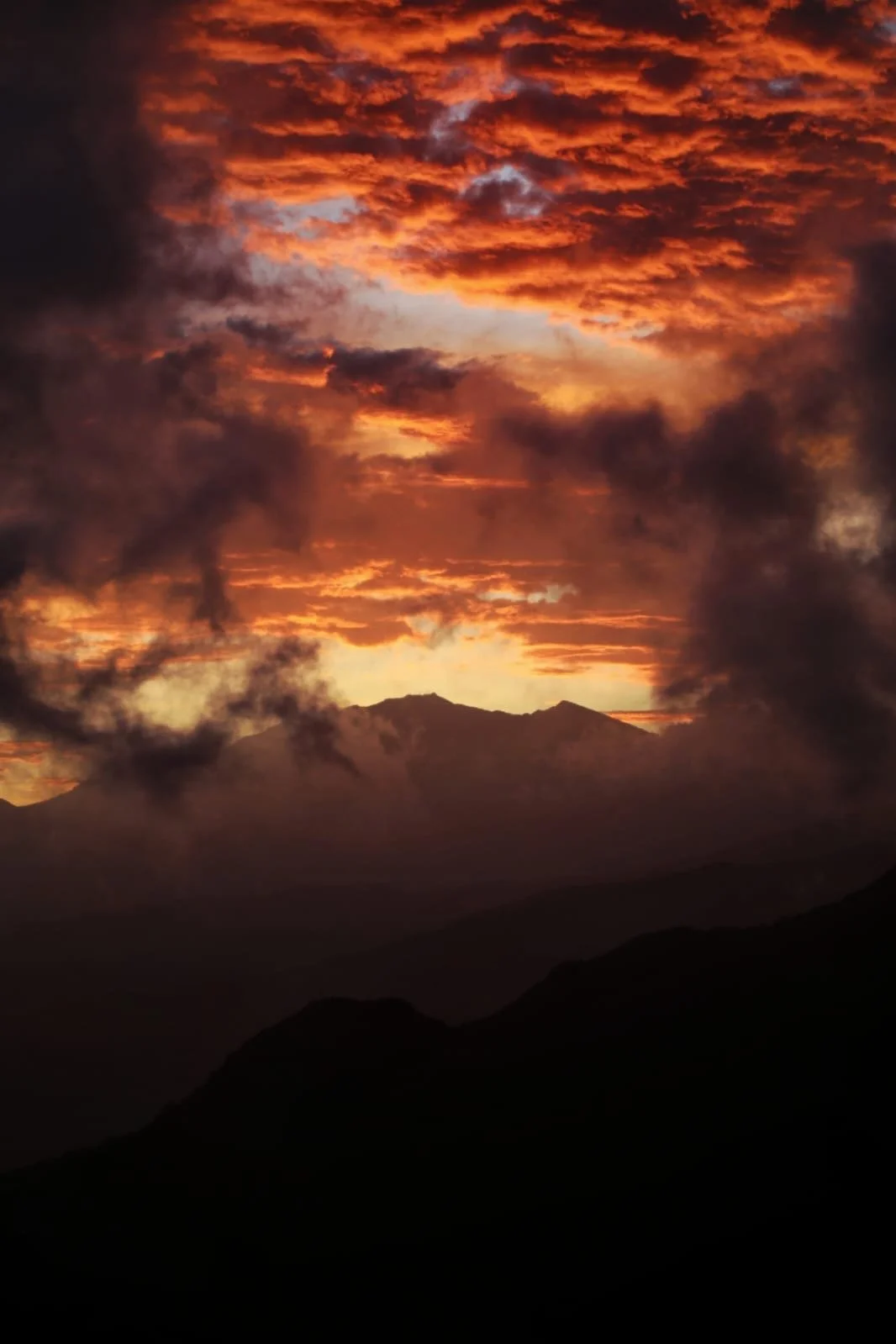
The sky becomes a dominant feature. Without city light pollution, stars feel closer and more defined. The landscape becomes less visible but more implied, as shapes and silhouettes replace detail.
Night in the mountains is not energetic. It is quiet in a way that feels expansive rather than empty.
Caribbean Nights: Slower, Softer, and More Fragmented
On the Caribbean side of Panama, night takes on yet another identity. Island communities and coastal settlements often become quieter rather than busier. Movement slows. Lighting is softer. Water remains a constant presence in the background.
Instead of concentrated nightlife zones, activity is often distributed across smaller pockets. The result is a night environment that feels less structured and more organic, shaped by local rhythms rather than urban planning.
Wildlife That Becomes More Present After Dark
One of the most important aspects of Panama at night is that the natural world does not shut down. In many regions, it becomes more active.
Insects create layered soundscapes that vary by region and elevation. Night birds move differently through forest canopies. Amphibians become more audible near water systems. Even distant movement in vegetation becomes part of the sensory environment.
Unlike in heavily urbanized countries where night often feels like a separation from nature, in Panama night feels like a transition into a different version of it.
Human Rhythm After Dark
Human behavior also shifts noticeably. In cities, people gather later, dine later, and remain active well into the evening in many districts. In smaller towns and rural areas, night tends to arrive more quietly, with earlier wind down periods and reduced movement.
This creates a national rhythm that is not uniform. Instead, it reflects geography again. Urban density produces extended activity. Rural and natural environments produce earlier silence.
The Psychological Shift of Night in a Tropical Country
Night in Panama is not just visual or cultural. It is psychological. The combination of humidity, temperature, sound, and darkness creates a sensory environment that feels different from temperate countries.
The absence of cold seasons means night does not feel like a retreat from harsh weather. Instead, it feels like a continuation of the same environment under different conditions.
This subtle difference changes how people use time. Outdoor life continues later. Movement remains fluid. The boundary between day and night feels less rigid than in many other parts of the world.
The Hidden Unity Beneath the Differences
Even though Panama at night feels fragmented into multiple environments, there is an underlying unity to it. The same geography that shapes the country during the day continues shaping it after dark.
Cities glow along the coast. Forests remain active inland. Mountains cool and quiet. Oceans continue moving in darkness.
Nothing stops. It only changes form.
Final Thought
Panama after dark is not a simpler version of the daytime country. It is a different interpretation of the same geography.
A city becomes light and movement.
A forest becomes sound and presence.
A mountain becomes silence and sky.
A coast becomes rhythm and distance.
And together, they form a version of Panama that most travelers experience but rarely describe clearly.
Because in Panama, night does not end the landscape.
It reveals a different one.