
When people search for information about traveling to Panama, they usually want simple answers. What are the best places to visit, what is the weather like, is it expensive, is it safe, and how many days do you need. But the real travel experience in Panama is harder to summarize because it is not one type of trip. It is many different trips depending on where you go, how you travel, and what you expect.
Panama has a reputation as a country that is mainly about the canal, but that impression changes quickly the moment you start moving beyond the capital. The country unfolds in layers, and each layer feels slightly different from the last. What begins as a modern city experience can quickly turn into rainforest exploration, coastal travel, mountain escapes, or island hopping. The transitions between these environments are surprisingly fast, which is one of the most unique aspects of traveling here.
Most travelers begin their journey in Panama City, which is often the most surprising part of the trip. Many people arrive expecting a small, quiet, or purely functional capital built around the canal. Instead, they find a modern skyline, coastal highways, luxury hotels, international restaurants, and busy urban districts filled with business activity. The city feels connected to global commerce in a way that is not always expected. Yet just beyond the modern skyline, nature is never far away.
One of the most striking features of Panama as a travel destination is how quickly you can move from urban environments into natural ones. Within a short drive from the city, you can find yourself in dense rainforest where the sounds of traffic disappear completely and are replaced by birds, insects, and wind moving through the trees. Areas like Soberanía National Park demonstrate this contrast clearly. It is possible to spend part of the day in a modern city and then walk through a forest where wildlife feels completely uninterrupted by human presence.
This proximity between city and nature shapes the entire travel experience. It means that Panama does not require long, complicated transfers between destinations. Instead, different environments sit surprisingly close to each other. You can explore rainforests, beaches, mountains, and islands without needing to cross vast distances. This compact diversity is one of the reasons many travelers end up staying longer than originally planned.
As you move west, the landscape begins to shift into mountainous terrain. The temperature drops slightly, the vegetation changes, and the atmosphere becomes calmer and more rural. In places like Boquete, travel takes on a completely different character. Instead of coastal humidity and urban density, you encounter coffee plantations, cloud forests, hiking trails, and cooler mountain air. The pace of life slows noticeably, and outdoor activities become the main focus of the experience.
What makes Boquete especially interesting for travelers is the balance it offers. It is developed enough to provide comfort, accommodation, and services, yet still surrounded by natural landscapes that feel immersive and untouched. Many visitors arrive expecting a short stay and end up extending their time because the environment encourages a slower form of travel that is difficult to replicate in more fast paced destinations.
Panama’s coastline adds another dimension to the experience. Unlike many countries where the ocean is either Atlantic or Pacific, Panama offers both within a relatively small geographic area. Each side has a different character. The Caribbean side tends to feel more tropical and island oriented, with turquoise water, relaxed atmospheres, and a stronger sense of isolation in some areas. The Pacific side is broader and more dramatic, with long coastlines, strong tides, fishing communities, and wide open beaches that change significantly with the movement of the sea.
This coastal diversity means that travelers often experience multiple versions of beach life within a single trip. Some days feel like remote island exploration, while others feel like comfortable coastal relaxation near developed towns. The variety is part of what makes Panama feel larger than it actually is when traveling through it.
Another important aspect of the travel experience is the cultural layer. Panama is not a single cultural identity but a blend of influences shaped by geography and history. Indigenous communities, colonial heritage, Afro Caribbean culture, and modern international influences all exist within the same country. This creates a travel environment where cultural experiences are not confined to specific regions but appear throughout different parts of the journey.
Food reflects this diversity as well. Travelers encounter everything from simple roadside meals to refined dining in urban centers. Fresh tropical fruits are widely available, seafood is common along both coasts, and traditional dishes vary depending on region. In many places, eating becomes part of the exploration rather than just a necessity.
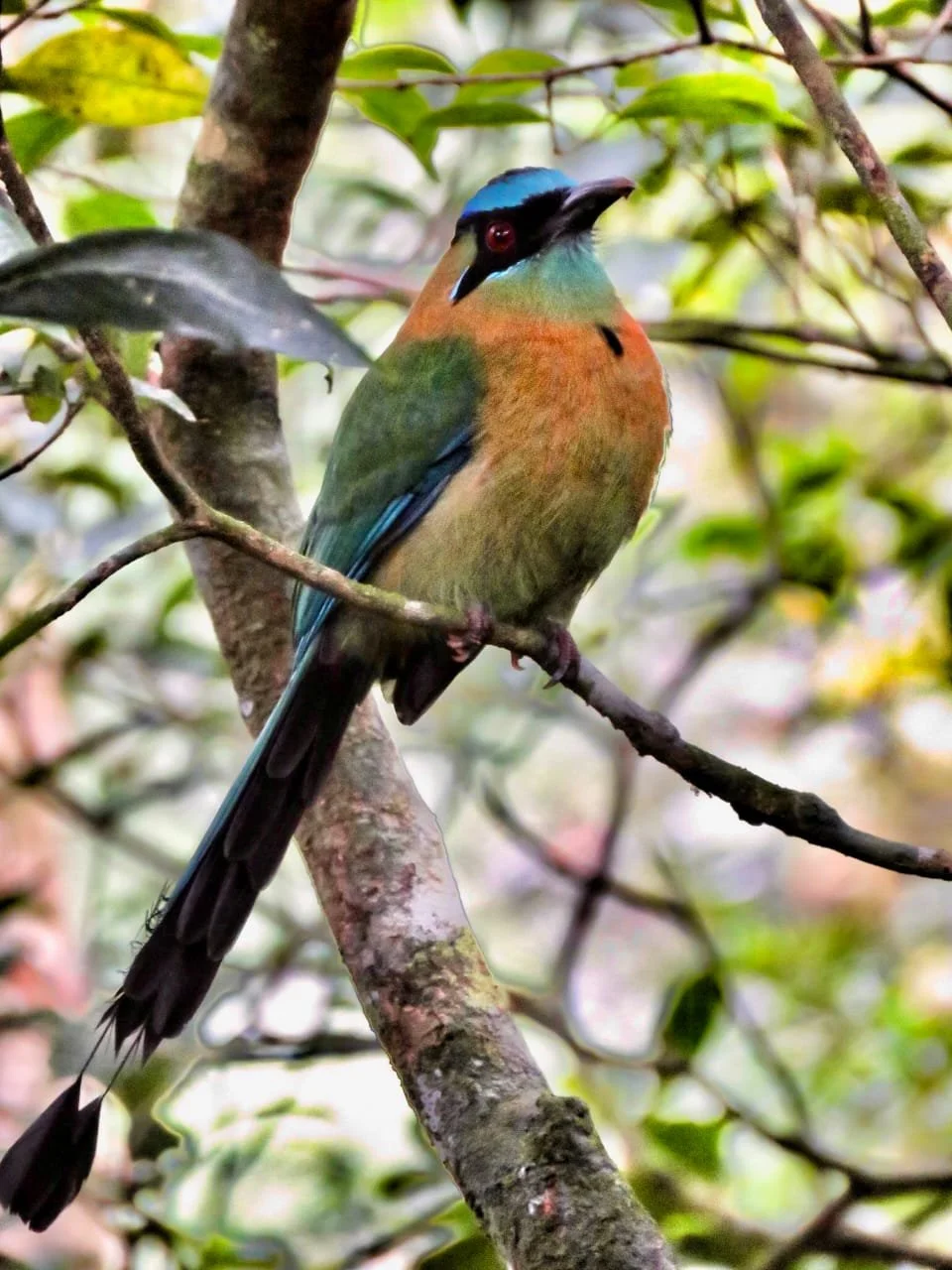
One of the most underrated parts of traveling in Panama is how wildlife fits into the experience. In many destinations, seeing wildlife requires dedicated tours or long excursions into remote areas. In Panama, wildlife often appears unexpectedly and relatively close to human activity. Monkeys, tropical birds, reptiles, and countless insect species are part of the natural environment rather than distant attractions. This creates moments during travel that feel spontaneous rather than planned.
Transportation is another element that shapes how the country is experienced. While Panama has modern infrastructure in certain regions, travel between destinations still requires planning. Distances may not look large on a map, but terrain, weather, and road conditions can influence travel times. This means that Panama rewards travelers who move at a flexible pace rather than trying to fit too many locations into a short period.
What ultimately defines the Panama travel experience is contrast. Few countries allow you to experience such rapid shifts between environments. One moment you are in a modern city with skyscrapers and traffic. The next you are in rainforest silence. After that, you might be in a mountain town with cool air and coffee farms. Then you may end up on an island surrounded by open ocean.
These contrasts are not separated by long journeys. They are part of the same country, often only hours apart.
And that is what makes Panama difficult to categorize as a travel destination.
It is not just a city break.
It is not just a nature trip.
It is not just a beach holiday.
It is all of those experiences combined into one place that constantly changes as you move through it.
For travelers who arrive expecting simplicity, Panama can feel unexpectedly complex. For those who arrive open to variety, it becomes one of the most rewarding and surprising destinations in the Americas.