
When people search about Panama, they usually want answers to big, simplified questions: Is it safe? Is it cheap? Is it beautiful? Is it worth moving to? Is it modern or rural? But those questions often miss something more important and more interesting, which is what daily life actually feels like once you are here for more than a short visit. Because Panama is not just a destination or a retirement idea or a tropical postcard. It is a functioning country with routines, frustrations, comforts, contradictions, and rhythms that slowly reveal themselves the longer you stay.
At first glance, life in Panama can feel surprisingly familiar, especially in urban areas like Panama City. Modern skyscrapers dominate parts of the skyline, highways curve along the coastline, and shopping malls look similar to those found in major cities across North America. Supermarkets are stocked with international products, banks operate with efficiency in central districts, and neighborhoods such as Costa del Este feel polished, structured, and designed for a global middle and upper class lifestyle. For many newcomers, especially those arriving from abroad, the initial impression is often that Panama feels more modern than expected.
But that first impression only tells part of the story.
As you move away from the most developed districts, the pace, structure, and texture of daily life begin to shift. Traffic becomes more unpredictable. Street life becomes more visible. Small local businesses replace international chains. Infrastructure varies more noticeably from one neighborhood to another. This contrast is not a flaw in Panama’s identity. It is part of its reality. The country is layered, and those layers coexist in close proximity.
One of the most defining features of everyday life in Panama is movement. People are constantly navigating between different environments that feel distinct even within short distances. A person might live in a modern apartment, shop in a large supermarket, and commute through areas that feel far more traditional or locally rooted. This blending of worlds creates a lifestyle that can feel dynamic but also requires adaptation. Time expectations are different. Services may not always operate with the precision some foreigners are used to. Yet over time, many people begin to adjust and even appreciate the flexibility that comes with it.
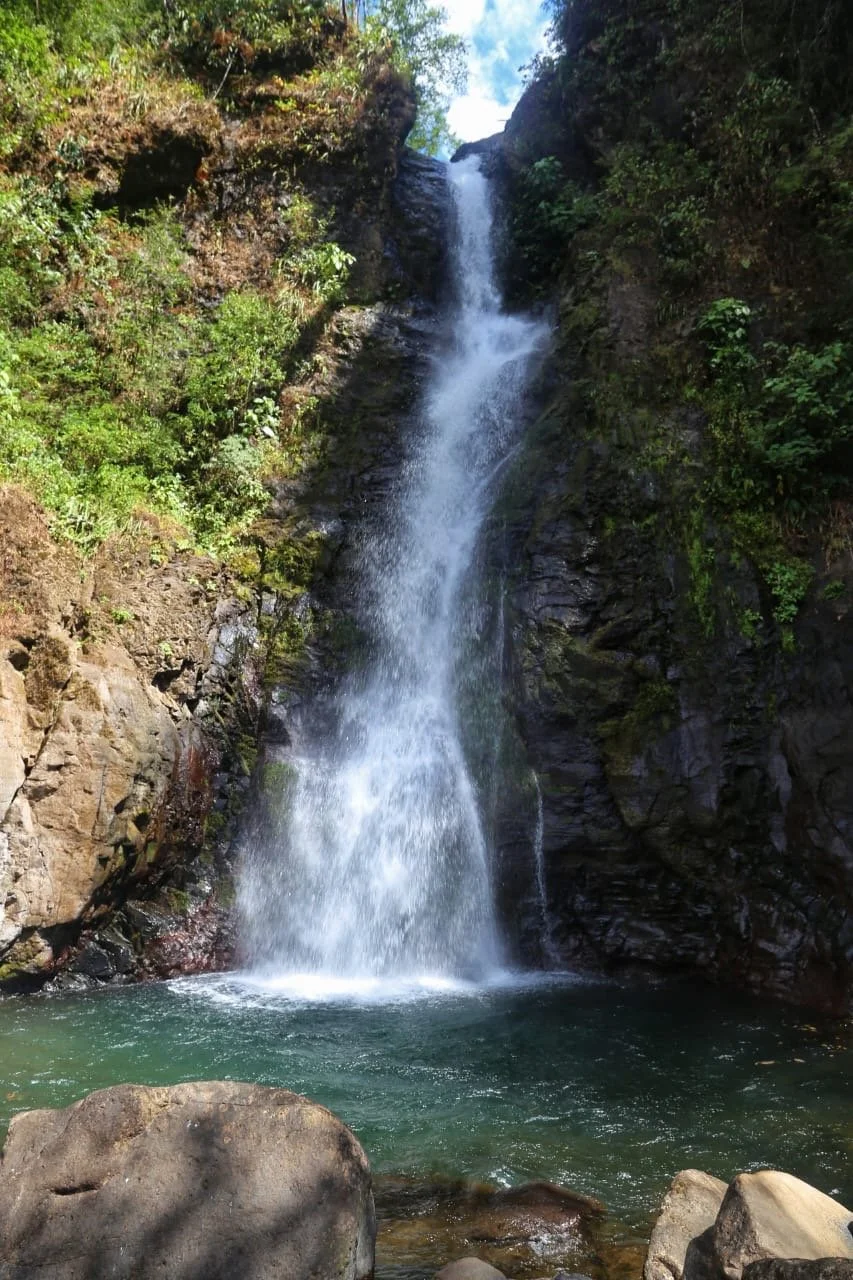
Outside the capital, life takes on an entirely different rhythm. In places like Boquete, daily life is shaped more by nature than by urban structure. Mornings are often cooler and quieter. People wake up to mountain air, birdsong, and mist moving through valleys. Instead of high rise buildings and traffic noise, the environment is defined by coffee farms, rivers, gardens, and winding roads. Social life tends to be more community oriented, and routines are often slower and more predictable. For many retirees and long term residents, this contrast is exactly what they are seeking when they choose Panama.
Food is another part of daily life that reflects the country’s diversity. Eating in Panama is not a single experience but a spectrum. On one end, there are simple local meals centered around rice, beans, plantains, chicken, fish, and fresh tropical produce. These meals are widely available and form the backbone of everyday eating for much of the population. On the other end, there is a growing international culinary scene in urban centers, where restaurants serve global cuisine influenced by Europe, Asia, and the Americas. This means that daily food life can shift depending on where you are and what you choose, from casual street style meals to high end dining experiences.
Transportation is another defining aspect of daily reality. In Panama City, modern infrastructure such as the metro system helps connect key parts of the city, but many people still rely on cars, taxis, or rideshare services. Outside the capital, transportation can become more variable, with longer distances between services and fewer structured public transit options. This affects how people plan their day, how they shop, and how they move between work, home, and social activities. Travel time becomes a more important factor in daily planning than many newcomers initially expect.
Climate also plays a major role in shaping everyday life. Panama is tropical, but not uniformly so. Coastal and lowland areas tend to be hot and humid for most of the year, while mountain regions offer cooler and more comfortable temperatures. The rainy season is a significant part of the annual rhythm, influencing everything from traffic patterns to outdoor plans. Heavy rains can arrive quickly and reshape the flow of a day. Locals adapt to this pattern naturally, but newcomers often need time to adjust their expectations around weather and scheduling.
Social life in Panama is generally warm and community oriented, but it varies depending on location and lifestyle. In urban areas, social networks often revolve around work, neighborhoods, restaurants, and international communities. In smaller towns and rural areas, relationships tend to be more tightly knit and locally grounded. For newcomers, building connections can take time, especially outside of established expat areas, but it is often described as rewarding once those connections form.
One of the most interesting aspects of life in Panama is how close nature always feels. Even in and around major cities, it is possible to encounter wildlife and natural environments without traveling far. Forests, rivers, beaches, and mountains are never too distant. This proximity means that weekend routines often involve outdoor activities such as hiking, beach trips, fishing, or exploring national parks. In places like Soberanía National Park, it is possible to step from urban environments into dense rainforest in a very short time, creating a lifestyle where nature is not an occasional escape but a regular presence.
Daily life in Panama also reflects a balance between structure and flexibility. Some systems are highly developed, especially in banking, real estate, and international services. Other aspects operate with more variation depending on region and context. This creates an environment where planning is important, but adaptability is equally valuable. People who thrive in Panama tend to be those who are comfortable navigating both modern systems and more informal realities.
Over time, many newcomers begin to notice something subtle but important. Life in Panama is not defined by a single dominant rhythm. Instead, it is shaped by multiple overlapping rhythms: urban and rural, modern and traditional, fast and slow, structured and flexible. These rhythms coexist rather than replace one another.
And that is what makes daily life in Panama difficult to summarize but interesting to experience.
Because living here is not just about location.
It is about learning how to move between different versions of reality within the same country, sometimes within the same day.
And for many people, that variety is exactly what makes Panama not just a place to visit, but a place to live.