
Riding a coaster bus in Panama is not just transportation. It is a full sensory experience that sits somewhere between local necessity, adrenaline ride, and cultural immersion. These small to mid sized buses, often called “coasters” or “busitos,” are one of the most common ways people move between neighborhoods, suburbs, and even between towns and rural areas. Unlike the modern Metrobus system in Panama City, which is structured and predictable, coaster buses feel alive. They move with personality, with rhythm, and sometimes with a level of unpredictability that makes every journey feel slightly different from the last. And nowhere is this more noticeable than when the road begins to climb into hills or twist into long winding curves.
At first glance, a coaster bus looks simple. A white or lightly colored van style bus, sometimes slightly modified, with rows of seats packed closely together and a driver who seems to know every inch of the route by memory rather than signage. People board quickly. Conversations are short. Cash is passed forward through hands without much ceremony. The door closes and immediately the bus becomes part of the traffic flow, merging into Panama’s roads where cars, motorcycles, taxis, and larger buses all compete for space. But the real character of the ride begins once the city streets give way to elevation changes, sharper turns, and roads that seem to have been carved directly into the landscape rather than laid over it.
As the coaster bus starts climbing into hilly areas, everything inside shifts. The engine sound deepens, working harder against gravity. Passengers subtly adjust their posture without even thinking about it. The driver leans slightly forward, reading the road in a way that feels instinctive rather than calculated. In Panama, many routes pass through terrain that rises and falls quickly, especially on the edges of Panama City, toward places like Cerro Azul, Panama Pacifico outskirts, or roads heading into the interior provinces where mountains and forest dominate the view. These are not gentle inclines. They are real tropical hills with sudden drops, tight corners, and visibility that can change within seconds due to weather or vegetation.
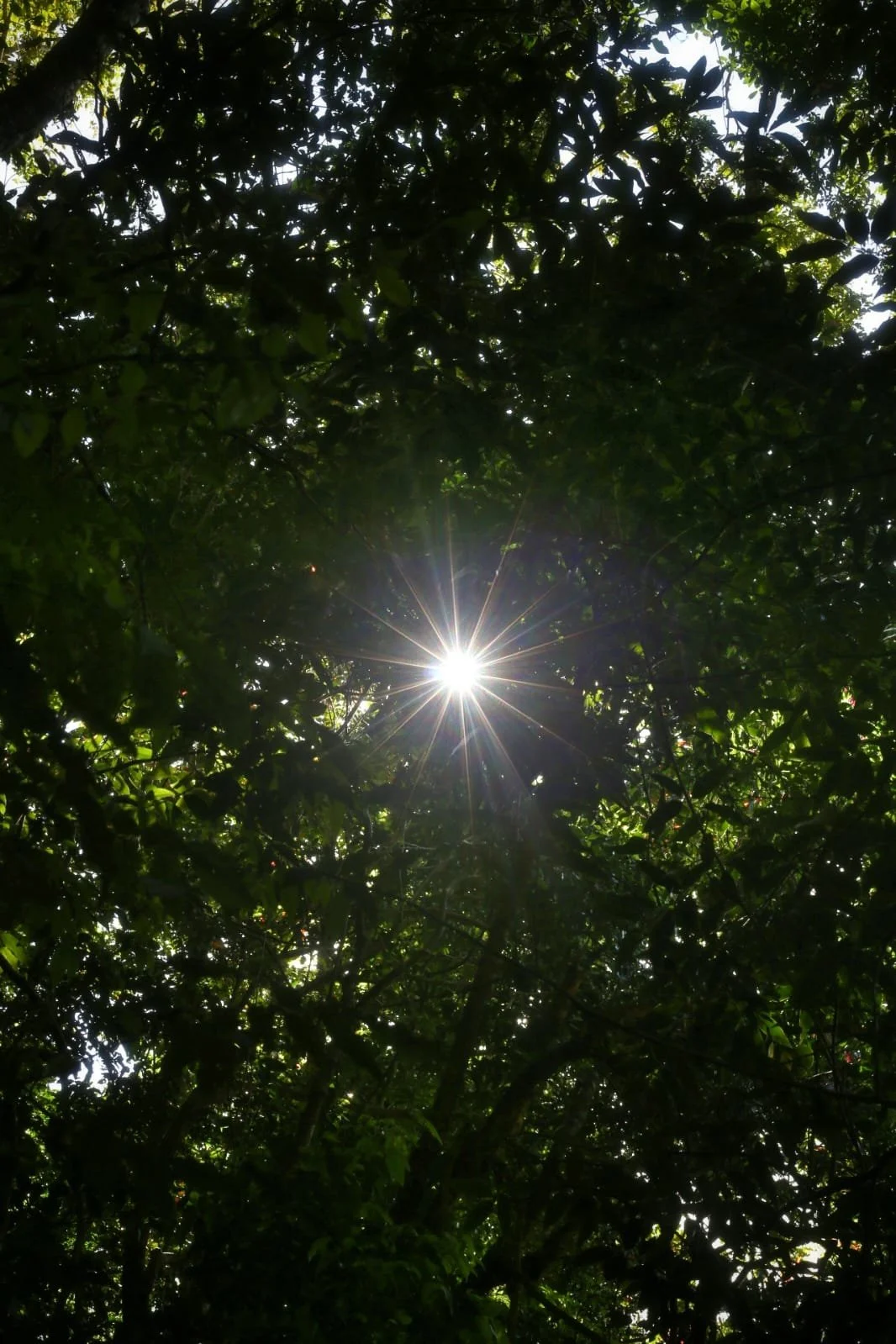
When the bus hits its first real curve, you immediately understand the difference between flat urban transport and hillside travel. The coaster leans into the turn, and everything inside shifts with it. Passengers instinctively grip seats, windows, or overhead rails. There is no panic, just a shared awareness that this is how the road is here. Outside the window, the landscape swings into view and then away again, revealing dense green slopes, distant rooftops, patches of sky, and sometimes sheer drops that make you realize how elevated the road really is. The sensation is not fear exactly. It is more like heightened awareness, a reminder that geography is an active part of daily life in Panama, not something hidden behind infrastructure.
The curves themselves define the rhythm of the ride. Some are wide and smooth, allowing the bus to glide through them with a steady momentum. Others are tight and sharp, forcing a noticeable slowdown and careful steering. On steeper routes, you can feel the bus shift weight from side to side as it navigates switchbacks. Passengers on the uphill side may lean slightly while those on the downhill side feel the slope more intensely. It becomes a shared physical experience, something everyone inside feels together whether they are regular commuters or first time riders.
What makes coaster bus travel in Panama especially unique is the combination of road conditions and driving style. Drivers on these routes are often extremely experienced with their specific roads. They know exactly where to accelerate, where to brake, and where the tightest curves require patience. It is a kind of local knowledge that cannot be easily replaced by GPS or automated systems. On mountain roads especially, this experience matters. You can sense when a driver is anticipating a curve before it appears, adjusting speed just enough to make the turn smooth without unnecessary stopping. It is not reckless. It is practiced familiarity with terrain that demands respect.
Inside the bus, life continues during all of this. People talk, listen to music through headphones, check phones, or simply look out the window. The contrast between everyday routine and dramatic landscape is part of what makes the experience so memorable. One moment you might be sitting shoulder to shoulder with commuters discussing work or school, and the next you are suspended above a valley as the bus rounds a curve revealing distant mountains or dense jungle stretching into the horizon. It is a reminder that in Panama, natural beauty is never far away from daily life. It is woven into it.
As the bus descends or continues through winding sections, gravity becomes more noticeable. You feel slight forward pressure when the bus slows at curves and then a gentle release as it straightens out again. The suspension of the vehicle absorbs much of the movement, but not all of it. There is a rawness to the experience that modern transport systems often remove. It feels direct, unfiltered, and connected to the road itself. Even small details like the sound of tires gripping asphalt or gravel, or the occasional horn used to signal another vehicle on a blind curve, add to the atmosphere.
Weather also plays a role in shaping the experience. In Panama’s tropical climate, sudden rain can transform hill routes dramatically. Roads become slick, mist can roll in through the trees, and visibility can drop quickly. Inside the bus, this creates a cocoon like feeling where the outside world is partially hidden but still very present through movement and sound. The driver’s focus becomes even more apparent, and passengers often fall into quieter observation, watching raindrops race down windows as the bus carefully navigates the curves.
For people who use coaster buses daily, this experience becomes part of normal life. It is not treated as an adventure. It is simply how you get from one place to another. But for visitors or newcomers, it often leaves a strong impression. There is something unforgettable about climbing through green hills in a moving vehicle that feels closely connected to the road and the environment around it. It is transport, but it is also exposure to the geography of the country in a very direct way.
Over time, coaster buses reveal something deeper about Panama itself. The country is not flat or uniform. It is shaped by elevation, coastline, rainforest, and urban development all layered together. These buses move through those layers constantly, connecting people across environments that can change within minutes of travel. One moment you are in dense urban traffic, and shortly after you are winding through hills where the city feels far away. This contrast is part of what makes the system so fascinating.
In the end, riding a coaster bus in Panama is about more than reaching a destination. It is about experiencing movement through a landscape that refuses to be simple or predictable. It is about sharing space with strangers while navigating roads that demand attention and respect. It is about feeling the curves of the land through the curves of the road itself. And once you have taken that ride, especially through the hills, it becomes one of those travel memories that stays with you not because of a single moment, but because of the continuous feeling of being carried through a living, changing environment.