
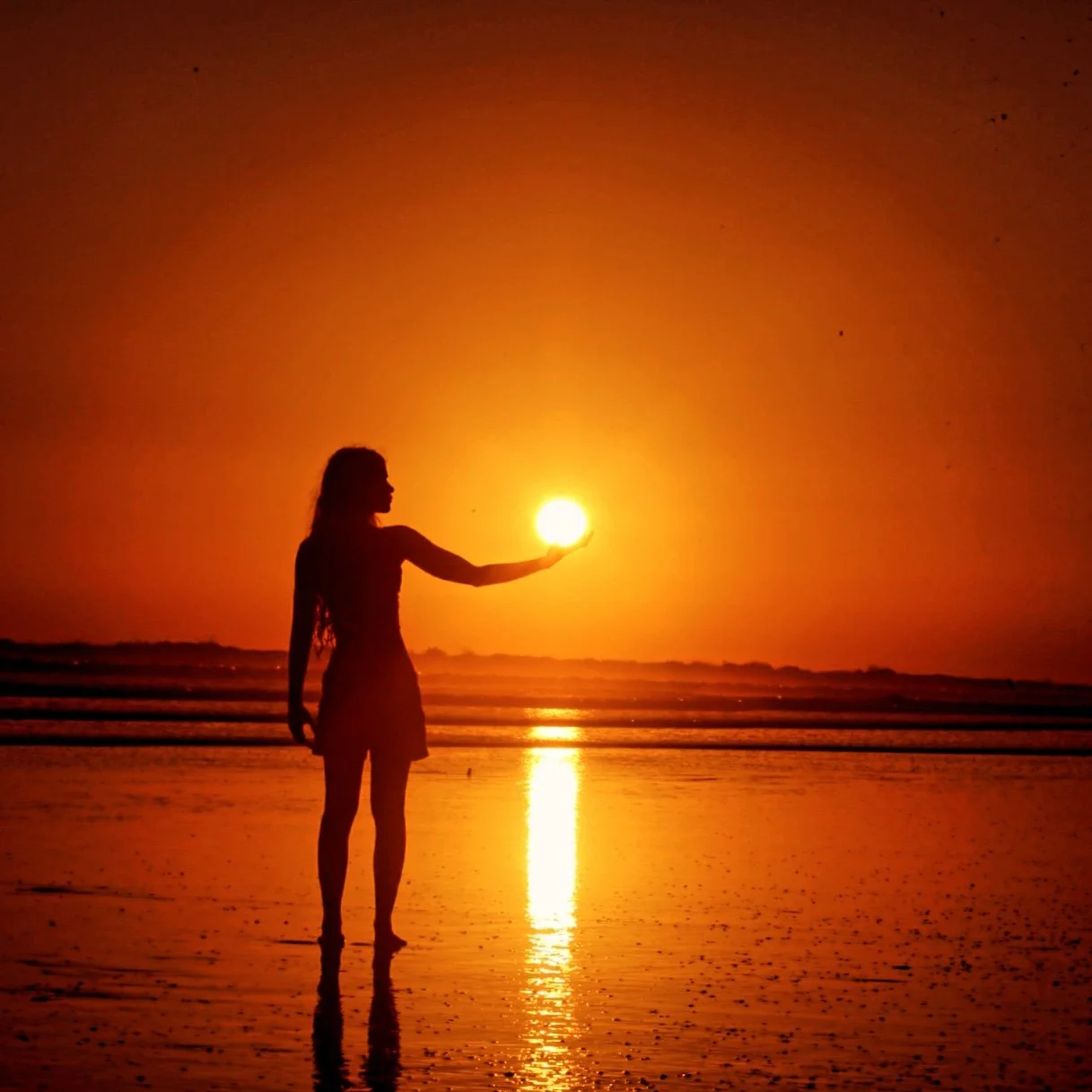
Panama is a country where modern life and ancient belief systems sit side by side in a way that feels completely natural to the people who live there. Glass towers rise in Panama City, international banking flows through skyscrapers, and modern highways cut across the landscape, yet at the same time, deep cultural beliefs about spirits, omens, energy, and invisible forces continue to shape everyday behavior in subtle but powerful ways. These beliefs are often described as old wives’ tales, but in Panama they are far more than simple stories. They are part of cultural memory, passed through generations, woven into family advice, rural tradition, and even casual warnings spoken in daily life. To understand Panama fully, you have to understand not just what people see, but what many still believe might be happening just beyond what can be seen.
One of the most widespread categories of old beliefs in Panama revolves around spirits and restless energies that are thought to exist alongside the physical world. In many rural communities and older neighborhoods, people still talk about encounters with la llorona, the weeping woman said to wander near rivers, beaches, or lonely roads at night searching for something lost. The story exists in many Latin American countries, but in Panama it carries its own local variations. Children are sometimes warned not to go near water at night because of her presence. Fishermen and rural travelers occasionally speak of hearing cries carried by wind or water that feel unsettlingly human. Whether believed literally or understood as metaphor, the story functions as a cultural boundary between safety and danger, especially in environments where natural hazards like rivers and tides are real risks.
Another deeply rooted belief is the idea that certain times of night carry heavier spiritual presence than others. In many households, especially older generations, there is an unspoken understanding that midnight to early dawn is a “thin” time where strange things are more likely to be felt or experienced. People may avoid whistling at night because it is said to attract wandering spirits or unwanted attention from unseen forces. In some regions, whistling indoors at night is believed to invite financial loss or bad luck into the home. These ideas are not always spoken as strict rules, but as cautionary advice that carries emotional weight because it was passed down by parents and grandparents who themselves grew up hearing the same warnings.
Dreams also play an important role in Panamanian folklore. Many people believe that dreams are not random but can carry messages, warnings, or reflections of spiritual reality. Dreaming of water, for example, is often interpreted as emotional or spiritual movement, while dreaming of animals can symbolize specific types of energy or upcoming events. Some older traditions suggest that dreams of deceased relatives may indicate that the spirit is visiting or offering guidance. Even in modern urban environments, it is not uncommon for people to casually mention dreams in conversation as if they might contain real information about life decisions, relationships, or future events.
Animals themselves are often central to old wives’ tales in Panama. Certain birds, for example, are believed to carry omens depending on their behavior or timing. A bird calling at unusual hours might be interpreted as a warning or message. In rural areas, the sudden appearance of specific insects inside the home can sometimes be associated with changes in fortune or news arriving from distant places. Fireflies, owls, and black cats often appear in local folklore with layered meanings that mix fear, respect, and curiosity. These interpretations are not uniform across the country, but they reflect a broader pattern where nature is seen as communicative rather than random.
One of the most persistent categories of belief involves the “evil eye” or mal de ojo, a concept found throughout Latin America but strongly present in Panama as well. It is believed that excessive admiration or envy, especially directed toward children or vulnerable individuals, can unintentionally cause illness, weakness, or misfortune. To protect against this, many families use simple rituals such as wearing bracelets, applying symbolic gestures, or using traditional remedies passed down through generations. Even people who do not fully believe in the concept may still participate in these practices as a form of cultural comfort or respect for family tradition.
Another fascinating aspect of Panamanian folklore involves plants, herbs, and natural remedies that are believed to carry protective or cleansing properties beyond their physical medicinal value. Certain baths made from herbs, flowers, or tree leaves are thought to cleanse negative energy or restore balance to the body and spirit. Smoke from specific plants may be used in rituals meant to clear emotional heaviness or remove bad influences from a space. These practices often blend indigenous knowledge, Afro Caribbean traditions, and Spanish colonial influences into a unique cultural system where healing is understood as both physical and spiritual.
Water, particularly the ocean, rivers, and rain, holds a special place in many of these beliefs. Sudden rain after an emotional event might be interpreted as nature responding to human feeling. Strong currents or unexpected waves can sometimes be seen as signs of imbalance or warnings to be cautious. In coastal communities, the sea is often treated with a kind of respect that goes beyond practical safety. It is seen as alive in a symbolic sense, capable of giving and taking, calming and warning, depending on how it is approached.
Even everyday objects can carry superstition in Panama. Mirrors, for example, are sometimes associated with energy reflection or spiritual sensitivity. Breaking a mirror is often still linked in casual conversation to bad luck, even among people who do not actively practice superstition. Shoes placed upside down, doors left open at certain times, or objects placed in unusual positions can all be interpreted through a lens of subtle meaning depending on family tradition. These beliefs are rarely rigid rules but rather inherited instincts that influence behavior without always being consciously examined.
What makes Panamanian old wives’ tales especially interesting is how seamlessly they coexist with modern life. A person might work in banking, use advanced technology, and live in a high rise apartment in Panama City while still avoiding certain nighttime behaviors or repeating small protective rituals learned in childhood. In rural areas, these beliefs may feel even more integrated into daily life, not as superstition in the skeptical sense, but as part of a broader worldview where the physical and spiritual are not fully separated.
It is also important to understand that these stories are not static. They evolve. Younger generations may reinterpret them as cultural symbolism rather than literal truth. Tourists may hear them as fascinating folklore. Older generations may still hold them as lived reality. This layering of interpretation is what keeps the tradition alive. It adapts without disappearing.
At the heart of all these old wives’ tales is something deeply human. They are ways of explaining uncertainty, protecting children, making sense of danger, and giving meaning to experiences that might otherwise feel random or uncontrollable. In a country as geographically diverse and culturally rich as Panama, where rainforest, ocean, mountains, and cities all exist in close proximity, it is not surprising that people developed stories that help interpret a world full of both beauty and unpredictability.
In the end, Panama’s old wives’ tales are not just stories about ghosts, luck, or omens. They are cultural threads that connect generations. They reflect how people relate to nature, how they process fear and hope, and how they pass wisdom from one household to another. Whether believed literally or appreciated as folklore, they remain an essential part of the country’s identity, quietly shaping behavior, language, and imagination in ways that are still very much alive today.