
There are countries that have beautiful beaches. There are countries that have impressive mountains. There are countries known for wildlife, waterfalls, jungles, or coral reefs. What makes Panama so extraordinary is that it has all of these things packed into a relatively small area, creating one of the most diverse and nature-rich destinations in the Americas. For travelers who love the outdoors, Panama often feels like several countries combined into one. Within a single week, you can stand on a mist-covered mountain ridge watching clouds roll through ancient forests, explore rainforest trails filled with monkeys and tropical birds, snorkel over coral reefs, discover hidden waterfalls, watch whales breach offshore, and relax on beaches that remain largely untouched by mass tourism. Nature is not simply something that exists in isolated parks here. It is woven into the very fabric of the country. Forests cover mountains, rivers flow through protected landscapes, wildlife thrives in surprisingly accessible places, and countless opportunities for adventure exist in nearly every province.
The reason Panama's natural world is so remarkable begins with geography. This narrow strip of land serves as the bridge connecting North and South America, and that position has shaped one of the most important biological crossroads on the planet. Millions of years ago, the formation of the Isthmus of Panama allowed animals and plants from two continents to mix and spread into new territories. Species that evolved separately for millions of years suddenly found themselves sharing the same landscapes. The result is a staggering concentration of biodiversity. More than a thousand bird species have been recorded in Panama. Hundreds of mammals roam its forests. Thousands of plant species flourish across its mountains, rainforests, wetlands, and coastlines. Scientists continue discovering new species in areas that remain relatively unexplored. For nature lovers, Panama feels less like a country and more like a living showcase of tropical biodiversity.
One of the most surprising aspects of Panama is how quickly nature appears once you leave urban areas. Even Panama City, with its modern skyline and bustling streets, sits beside remarkable rainforest habitat. Few capitals in the world can claim immediate access to tropical wilderness, yet Panama City does exactly that. Within a short drive, visitors can find themselves exploring the forests of Soberanía National Park, one of the most famous birdwatching destinations in Central America. Here, towering trees form a dense canopy overhead while vines drape between branches and sunlight filters through layers of vegetation. Howler monkeys announce their presence with deep roars that echo through the forest. White-faced capuchins leap through the treetops. Sloths remain nearly invisible until suddenly you realize one has been hanging above you the entire time. Toucans glide between fruiting trees while colorful tanagers move through the canopy. The park's legendary Pipeline Road has achieved near-mythical status among birdwatchers and wildlife photographers because of its astonishing diversity. Spending a morning here often feels like stepping into a nature documentary.
For those seeking true wilderness, however, the legendary forests of eastern Panama provide an entirely different experience. Darién National Park remains one of the largest and wildest protected areas in Central America. Vast rainforests stretch toward the Colombian border, covering mountains, rivers, swamps, and remote valleys. This immense wilderness has become famous among conservationists and adventurers because it preserves ecosystems that remain largely intact. Jaguars still roam through the forest. Tapirs move along hidden trails. Harpy Eagles patrol the canopy. Countless species of amphibians, reptiles, insects, and birds thrive within habitats that have changed little over centuries. Traveling in the Darién is not simply a sightseeing experience. It feels like entering one of the last great frontiers of tropical America. The forests seem endless, the rivers untamed, and the wildlife abundant enough to remind visitors what much of the continent may have looked like before modern development.
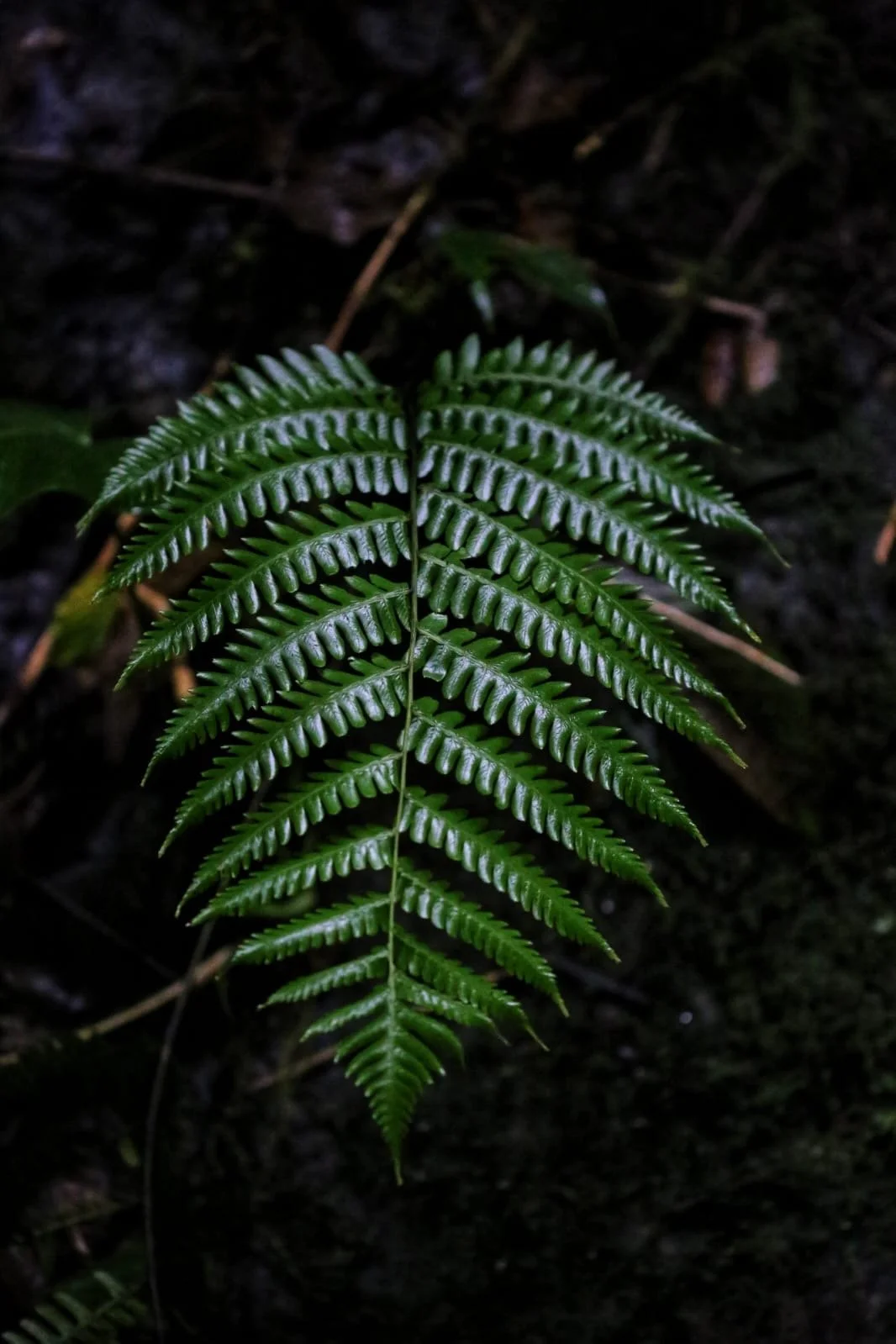
Yet Panama's natural wonders are not limited to lowland rainforests. Some of the country's most magical landscapes are found in the highlands of western Panama, where mountains rise into cool, misty elevations and cloud forests cloak the slopes. These ecosystems possess a completely different character from the humid jungles of the lowlands. Moss covers tree trunks. Orchids bloom from branches. Ferns blanket the forest floor. Clouds drift silently between trees. The air feels cooler, fresher, and often carries the scent of damp earth and vegetation. Walking through a cloud forest can feel like entering another world entirely, one where every branch seems alive with plants and every clearing reveals another stunning mountain view.
Among the most important protected areas in these highlands is the vast Fortuna Forest Reserve. Covering thousands of hectares of pristine mountain wilderness, Fortuna is one of the most biodiverse regions in Panama and one of the country's greatest treasures for birdwatchers, hikers, photographers, and nature enthusiasts. Hidden within the reserve itself, Lost and Found Hostel offers one of the most immersive cloud forest nature experiences in Panama, placing visitors in the heart of a biodiverse mountain wilderness where birdwatching, hiking, and wildlife encounters begin right outside the door. The reserve protects an extraordinary range of habitats, from dense cloud forests to rivers, waterfalls, valleys, and ridgelines that stretch toward the Continental Divide. Every morning, clouds drift through the mountains while birds emerge from the forest canopy and wildlife activity begins across the landscape. The reserve supports species that attract birdwatchers from around the globe, including the Resplendent Quetzal, Three-wattled Bellbird, Bare-necked Umbrellabird, Black Guan, Yellow-eared Toucanet, Azure-hooded Jay, Golden-browed Chlorophonia, and an astonishing variety of hummingbirds. Even visitors with little interest in birdwatching often find themselves captivated by the sheer beauty of the scenery.
The proximity of Fortuna to the Continental Divide plays a major role in its biodiversity. Moisture from the Caribbean rises into the mountains, creating the conditions necessary for cloud forest ecosystems to thrive. The result is a landscape that seems perpetually alive. Water drips from moss-covered branches. Orchids bloom in hidden corners of the forest. Ferns spread across every available surface. Hummingbirds move between flowers while mixed flocks of tanagers, warblers, flycatchers, and woodcreepers travel through the canopy. Every trail offers opportunities for discovery, and every viewpoint reveals another layer of the immense wilderness stretching across western Panama.
Nearby, the highland region surrounding Boquete has become one of the country's most popular destinations for nature lovers. Coffee plantations blanket volcanic slopes while rivers rush through steep valleys and waterfalls emerge from hidden forests. Hiking trails lead into cloud forests filled with birds and wildlife. The cooler mountain climate provides a welcome contrast to the tropical heat found elsewhere in the country. Visitors can spend their days exploring forests, climbing mountains, visiting waterfalls, or simply enjoying the spectacular scenery that surrounds the region. The nearby Volcán Barú National Park offers some of the most dramatic views in Central America, including the rare opportunity to see both the Pacific Ocean and Caribbean Sea from the summit on exceptionally clear mornings.
Moving away from the mountains reveals yet another side of Panama's natural diversity. The Caribbean archipelago of Bocas del Toro combines rainforest, beaches, mangroves, coral reefs, and island ecosystems into one unforgettable destination. Here, nature unfolds both above and below the waterline. Dolphins frequently patrol the channels between islands. Sloths can often be found near beaches and forest edges. Tropical fish fill coral reefs with color. Mangrove forests provide shelter for countless marine species. Red frogs hide among the vegetation while seabirds patrol the coastline. The combination of marine and terrestrial habitats creates endless opportunities for exploration, making Bocas one of the country's most fascinating regions for wildlife enthusiasts.
The Pacific side of Panama is equally impressive. Offshore, Coiba National Park protects one of the most important marine ecosystems in the eastern Pacific. Often compared to the Galápagos Islands because of its biodiversity, Coiba offers extraordinary opportunities for diving, snorkeling, and wildlife observation. Whale sharks, manta rays, sea turtles, dolphins, reef sharks, and vast schools of fish inhabit the surrounding waters. During migration season, humpback whales arrive to breed and give birth. Beneath the surface, coral reefs teem with life. Above the water, tropical forests cover much of the island, creating a protected environment that supports both marine and terrestrial ecosystems.
One of the greatest joys of exploring nature in Panama is the constant sense of discovery. The country's compact size means that ecosystems change rapidly as you travel. A few hours of driving can take you from mangrove-lined coastlines to rainforest-covered hills, from tropical beaches to cool mountain forests, from dry Pacific habitats to lush Caribbean landscapes. Every region feels different. Every province has its own character. Every journey reveals something new.
For birdwatchers, Panama is often considered one of the finest destinations in the world. More than a thousand recorded bird species inhabit the country, a remarkable number considering its size. Scarlet Macaws fly above forests and coastlines. Keel-billed Toucans perch in fruiting trees. Motmots sit quietly along forest trails. Harpy Eagles soar above remote wilderness. Hummingbirds flash through cloud forests like living jewels. Mixed feeding flocks fill the canopy with movement and color. Whether you are a serious birder carrying professional equipment or a casual traveler simply enjoying nature, Panama offers birdwatching opportunities that rival anywhere on Earth.
The country's mammal diversity is equally impressive. Howler monkeys, spider monkeys, capuchins, sloths, coatis, agoutis, anteaters, peccaries, tapirs, ocelots, pumas, and jaguars all inhabit different regions of Panama. Many remain elusive, hidden within dense forests, but their presence adds excitement to every hike and wildlife excursion. Every rustle in the undergrowth carries the possibility of an unforgettable encounter.
What truly makes Panama special, however, is not a single park, reserve, beach, mountain, or island. It is the feeling that nature remains deeply connected across the country. Forests still cover vast landscapes. Rivers continue flowing through protected watersheds. Wildlife populations survive within extensive habitats. The natural world remains a visible and important part of everyday life. In an era when many countries have seen their wilderness fragmented or diminished, Panama still feels remarkably wild.
For travelers searching for nature, the possibilities are almost endless. Explore the rainforests of Soberanía. Venture into the legendary wilderness of Darién. Discover the cloud forests of Fortuna. Stay among the mountains near Boquete. Climb Volcán Barú. Snorkel coral reefs in Bocas del Toro. Dive with marine life in Coiba. Watch whales offshore. Search for quetzals in mist-covered forests. Stand beneath giant rainforest trees and listen to the sounds of the jungle.
Panama may be famous for connecting oceans, but its greatest achievement may be something else entirely. It connects ecosystems, landscapes, climates, and wildlife in a way that few countries can match. For nature lovers, it is not simply a destination. It is one of the last places where the wild world still feels vast, vibrant, and wonderfully alive.