
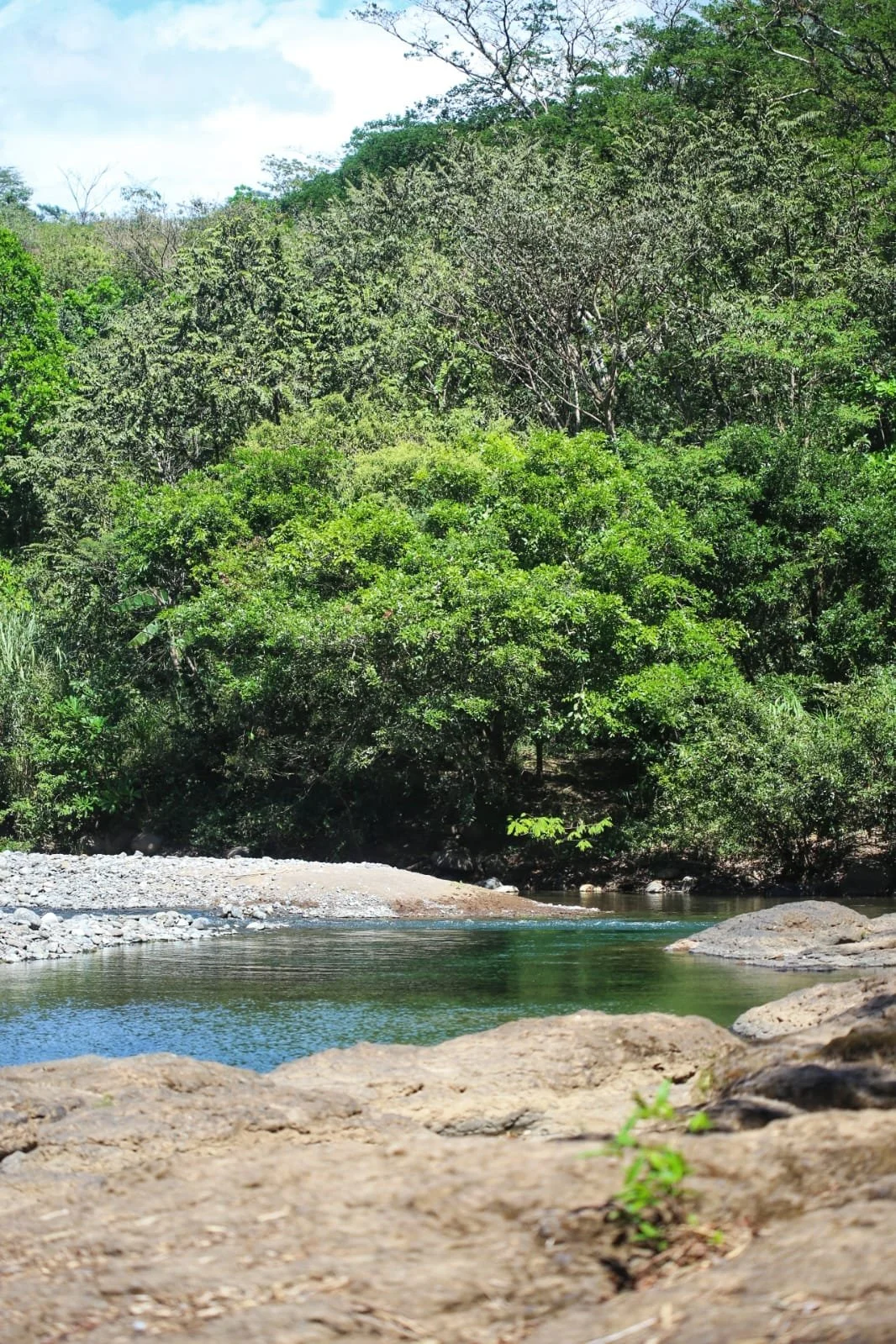
Hidden high in the cool mountains of central Panama is one of the country's most extraordinary places, a town unlike almost anywhere else in the world. The charming community of El Valle de Antón is famous today for its refreshing climate, colorful markets, waterfalls, hiking trails, and remarkable wildlife, but beneath the peaceful streets lies an incredible geological secret. The entire town sits inside the enormous crater of an ancient volcano that erupted millions of years ago. Every road, farm, forest, and neighborhood occupies what was once a landscape of molten rock and violent eruptions. Today it is difficult to imagine that such a tranquil destination was born from one of the greatest natural forces on Earth. Yet the history of El Valle stretches back millions of years, weaving together volcanic power, indigenous civilizations, Spanish colonization, agricultural traditions, scientific discovery, and modern ecotourism into one fascinating story.
Long before humans ever arrived in Panama, the region that would become El Valle was dramatically different. Millions of years ago, intense volcanic activity shaped much of central Panama as the small isthmus slowly rose from the sea. The volcano that eventually created El Valle grew larger through countless eruptions, building layer upon layer of lava, ash, and volcanic debris. Eventually, after a massive eruption emptied much of the underground magma chamber, the summit collapsed inward, forming an enormous caldera measuring several kilometers across. Over time the volcano became extinct. Rainwater carved streams through the old volcanic rock, fertile soils developed, and forests slowly reclaimed the landscape. What had once been an inferno gradually transformed into one of Panama's most fertile and beautiful mountain valleys.
The volcanic origins of El Valle explain many of the characteristics that visitors notice today. The surrounding mountains form a nearly complete circle because they are actually the rim of the ancient crater. Rich volcanic soils have allowed an astonishing diversity of plants to flourish. Rivers tumble down the crater walls, creating spectacular waterfalls that attract visitors from around the world. Even the cooler climate results partly from the valley's elevation of about 600 meters above sea level. While much of Panama experiences tropical heat year round, El Valle enjoys fresh mountain air that has made it a popular escape for centuries.
Thousands of years before the arrival of Europeans, indigenous peoples recognized the valley as an ideal place to live. Archaeological discoveries show that humans occupied the region for many centuries, taking advantage of its fertile farmland, abundant water, and mild temperatures. The ancestors of today's indigenous communities cultivated crops, hunted wildlife, gathered forest resources, and established trading networks that connected the Pacific coast with inland regions. Stone tools, pottery fragments, and burial sites reveal a sophisticated culture that adapted remarkably well to the unique volcanic landscape. The valley became not only a place to survive but also a place where communities could thrive.
Among the indigenous peoples associated with this region were ancestors of groups that later became part of Panama's rich cultural mosaic. They understood the rhythms of the forest, knew which plants possessed medicinal properties, and carefully managed agricultural fields that produced maize, cassava, beans, and tropical fruits. The surrounding forests supplied timber, fibers, medicinal herbs, and game animals. Rivers provided fish and fresh water, while the fertile volcanic earth yielded harvests that were often more productive than nearby lowland regions.
Everything changed dramatically during the early sixteenth century when Spanish explorers arrived in Panama. Following the founding of Panama City in 1519, Spanish influence gradually spread throughout the surrounding regions. European diseases devastated indigenous populations, causing immense demographic collapse across much of the isthmus. Traditional societies that had flourished for centuries were transformed within only a few generations. Spanish settlers introduced cattle, horses, pigs, and new agricultural practices that permanently altered the landscape. Forests were cleared for ranching and farming, while colonial authorities reorganized indigenous communities according to Spanish administrative systems.
Unlike Panama's major colonial centers, however, El Valle remained relatively isolated. Its mountain location protected it from becoming a major commercial hub, allowing it to preserve much of its rural character. Families relied primarily on agriculture, raising livestock and cultivating crops suited to the fertile volcanic soils. Coffee, vegetables, tropical fruits, sugarcane, and ornamental plants gradually became important components of the local economy. The valley's pleasant climate also made it attractive to wealthy families seeking relief from the intense coastal heat, a tradition that continues to this day.
Throughout the eighteenth and nineteenth centuries, El Valle remained a quiet agricultural community where life revolved around farming, family, and the changing seasons. Roads were primitive, transportation was slow, and travel to Panama City often required an entire day or more. Despite its isolation, the valley slowly gained a reputation for its healthy climate. Visitors suffering from illnesses frequently came to rest in the cool mountain air, believing that the fresh environment promoted healing and recovery. Although modern medicine has replaced many of these beliefs, the valley's reputation as a peaceful retreat has never disappeared.
Following Panama's independence from Spain through its union with Gran Colombia in 1821, and later its separation from Colombia in 1903, improvements in transportation gradually connected El Valle more closely with the rest of the country. Better roads made travel easier, allowing visitors from Panama City to spend weekends enjoying the cooler mountain weather. Wealthy Panamanians began building vacation homes throughout the valley, many surrounded by lush gardens filled with orchids, palms, and flowering tropical plants. These seasonal residents helped stimulate the local economy while preserving much of the town's peaceful atmosphere.
During the twentieth century, scientists became increasingly interested in studying El Valle's remarkable volcanic history. Geological research confirmed that the valley occupies the caldera of an ancient stratovolcano that became extinct hundreds of thousands of years ago after far older volcanic activity built the landscape over millions of years. These studies helped explain the region's fertile soils, unusual rock formations, mineral composition, and distinctive geography. Today the extinct volcano is considered dormant, with no evidence suggesting that it will erupt again, making the valley a safe and fascinating place to explore.
El Valle also emerged as one of Panama's most important centers for biodiversity. The surrounding cloud forests and tropical woodlands support hundreds of bird species, colorful butterflies, orchids, mammals, reptiles, and amphibians. Perhaps the valley's most famous resident is the critically endangered Panamanian golden frog, a brilliantly colored amphibian that has become one of Panama's national symbols. Once commonly seen in streams around El Valle, the species suffered catastrophic declines because of the deadly chytrid fungus. Conservation programs now work tirelessly to protect and breed these remarkable frogs, giving hope that one day they may again thrive in their natural habitat.
Tourism began expanding significantly during the second half of the twentieth century. Visitors were drawn by spectacular destinations such as Chorro El Macho, the mysterious La India Dormida mountain formation, natural hot springs, scenic hiking trails, butterfly gardens, orchid collections, and the famous Sunday artisan market. Unlike many tourist destinations that rely primarily on beaches, El Valle offers visitors a refreshing mountain experience where cool breezes replace tropical humidity and dense forests replace urban skylines.
The local market has become one of the cultural heartbeats of El Valle. Farmers arrive with baskets overflowing with fresh fruits, vegetables, herbs, flowers, and handmade goods. Indigenous artisans and local craftspeople sell woven baskets, carved wooden figures, colorful molas, ceramics, and traditional foods that reflect Panama's rich cultural heritage. Visitors can experience not only the valley's natural beauty but also its living traditions, many of which have been passed down through generations.
One of the most remarkable aspects of El Valle's history is how successfully it has balanced growth with conservation. While tourism has increased, much of the surrounding forest remains protected, allowing wildlife to continue flourishing. Hiking trails encourage visitors to appreciate nature without overwhelming it. Environmental education programs teach both residents and tourists about the importance of protecting forests, rivers, and endangered species. This balance has helped El Valle remain one of Panama's premier ecotourism destinations while preserving the peaceful character that has defined the valley for centuries.
Today El Valle de Antón stands as one of Panama's greatest natural and historical treasures. It is a place where ancient volcanic forces created the perfect foundation for fertile farms, thriving forests, vibrant communities, and extraordinary biodiversity. Every mountain surrounding the town tells the story of a vanished volcano. Every trail winds through landscapes shaped by millions of years of geological change. Every market stall reflects centuries of agricultural tradition, while every forest echoes with the sounds of wildlife that has survived since long before humans first settled the valley.
For travelers, El Valle offers far more than beautiful scenery. It provides a rare opportunity to walk through the heart of an extinct volcano while exploring one of the country's richest natural environments. It is a destination where geology, biology, archaeology, history, and culture all come together in one remarkable place. From its explosive volcanic birth to its peaceful modern identity as a haven for nature lovers, hikers, scientists, artists, and families, the history of El Valle is ultimately a story of transformation. Fire became fertile soil. Destruction gave way to life. Isolation became discovery. And an ancient volcano became one of the most enchanting towns in all of Panama.