
There are few animals in the world that capture the imagination quite like the Panamanian golden frog. Tiny enough to fit comfortably in the palm of your hand, yet famous enough to become one of an entire nation's symbols, this remarkable amphibian represents far more than just another rainforest creature. It is a symbol of hope, resilience, biodiversity, and the urgent need to protect Earth's most vulnerable wildlife. Although visitors may come to Panama hoping to spot jaguars, sloths, toucans, or colorful parrots, many soon discover that one of the country's greatest natural treasures is a frog no longer commonly found in the wild. Brilliantly colored with dazzling shades of gold, yellow, and black, the Panamanian golden frog has become one of the most recognizable amphibians anywhere on the planet. Its story is both inspiring and heartbreaking, reminding us how quickly nature can change and how determined people can be to save a species standing on the edge of extinction.
The golden frog evolved only in the mountain forests of central Panama, making it one of the country's true endemic species. Nowhere else on Earth did this remarkable amphibian naturally occur. For thousands of years it inhabited cool mountain streams flowing through lush forests around places such as El Valle de Antón and neighboring highlands. Crystal clear rivers cascaded over volcanic rocks while the frogs perched quietly on moss-covered boulders or nestled among leaves near the rushing water. Unlike many frogs that spend much of their lives hidden, golden frogs often rested in plain view, their brilliant coloration standing out vividly against the deep green rainforest. Scientists believe this bright coloration serves as a warning to predators that the frog's skin contains toxic chemicals. Rather than hiding, these frogs boldly advertised that they were not a good meal, a strategy known as warning coloration that has evolved in many poisonous animals around the world.
One of the most fascinating features of the Panamanian golden frog is its remarkable method of communication. Mountain streams are incredibly noisy environments. The constant roar of rushing water can make ordinary frog calls nearly impossible to hear. Instead of relying entirely on vocal sounds, male golden frogs developed an unusual behavior rarely seen among amphibians. They wave their front feet in the air to communicate with rivals and potential mates. This charming gesture almost looks as if the frog is greeting visitors with a friendly wave. Scientists studying the species have discovered that these visual signals help the frogs communicate effectively despite the deafening background noise created by waterfalls and fast-moving streams. It is one of nature's most delightful examples of behavioral adaptation.
Despite its small size, the golden frog plays an important ecological role within Panama's forests. As both predator and prey, it helps maintain the balance of rainforest ecosystems. It feeds primarily on ants, beetles, flies, mites, spiders, termites, and countless other tiny invertebrates. In turn, young frogs and tadpoles provide food for certain reptiles, birds, fish, and other forest creatures that have evolved alongside them. Amphibians are often considered environmental indicators because their thin, permeable skin makes them especially sensitive to pollution, habitat destruction, and disease. When frog populations begin to decline, scientists know that something is changing within the surrounding environment. In many ways, frogs act as the rainforest's early warning system.
The golden frog has long occupied a special place in Panamanian culture. According to local folklore, seeing one was believed to bring good luck, prosperity, and happiness. Some legends suggested that anyone fortunate enough to encounter a golden frog would receive wealth or blessings. While these stories were symbolic rather than literal, they helped elevate the frog into one of Panama's most beloved national icons. Today its image appears on souvenirs, artwork, educational materials, conservation campaigns, and even official celebrations. Every year Panama celebrates Golden Frog Day to raise awareness about amphibian conservation and remind citizens of the importance of protecting their natural heritage.
For centuries the golden frog thrived quietly in Panama's cloud forests. Then, during the late twentieth century, disaster struck with astonishing speed. A deadly fungal disease known as chytridiomycosis swept across Central America. The disease is caused by the fungus Batrachochytrium dendrobatidis, often abbreviated as Bd. The microscopic fungus attacks the skin of amphibians, interfering with their ability to regulate water and vital minerals. Because frogs breathe and absorb moisture through their skin, infection often proves fatal. Entire populations disappeared within only a few years. Streams that had once contained dozens or even hundreds of golden frogs suddenly became silent. Scientists watched helplessly as one amphibian species after another vanished throughout Central and South America.
The decline was breathtakingly rapid. By the early twenty-first century, the Panamanian golden frog had essentially disappeared from its natural habitat. Biologists searching streams that had once supported thriving populations often found none at all. The species was eventually classified as critically endangered, and today it is considered extinct in the wild by many conservation experts, surviving primarily through carefully managed conservation breeding programs. Few wildlife stories illustrate the devastating impact of emerging diseases as dramatically as that of the golden frog.
Fortunately, the story does not end there. Even before the fungus reached some mountain regions, scientists launched emergency rescue missions. Conservationists carefully collected healthy frogs from vulnerable populations before disease arrived, establishing assurance colonies that could preserve the species until better solutions became available. These rescue efforts required extraordinary coordination among Panamanian organizations, international zoos, universities, veterinarians, and amphibian specialists. Without these emergency collections, the Panamanian golden frog might have disappeared forever.
Today one of the most important centers protecting the species is the El Valle Amphibian Conservation Center. Located in the heart of the frog's historic range, the center houses breeding populations in carefully controlled environments where temperature, humidity, nutrition, and water quality are constantly monitored. Every frog receives meticulous care from trained professionals who work tirelessly to maintain healthy breeding colonies. Visitors can observe these remarkable animals while learning about amphibian conservation, rainforest ecology, and the global fight against wildlife diseases. The center serves not only as a sanctuary but also as a living classroom that inspires thousands of visitors each year.
Around the world, zoos also participate in international breeding programs for the Panamanian golden frog. These institutions exchange scientific knowledge, maintain genetic diversity, and help ensure that healthy populations survive even if individual facilities experience setbacks. Every tadpole that successfully develops into an adult frog represents another small victory in one of conservation's most difficult battles.
Although scientists dream of someday returning golden frogs to Panama's forests, accomplishing that goal remains incredibly challenging. The deadly chytrid fungus still persists in many wild environments. Releasing frogs without solving the disease problem would almost certainly result in renewed population crashes. Researchers are investigating possible solutions, including selective breeding for disease resistance, beneficial skin bacteria that may help protect frogs from infection, improved habitat management, and entirely new medical treatments. Progress is encouraging but slow, reflecting the complexity of balancing wildlife conservation with natural ecological processes.
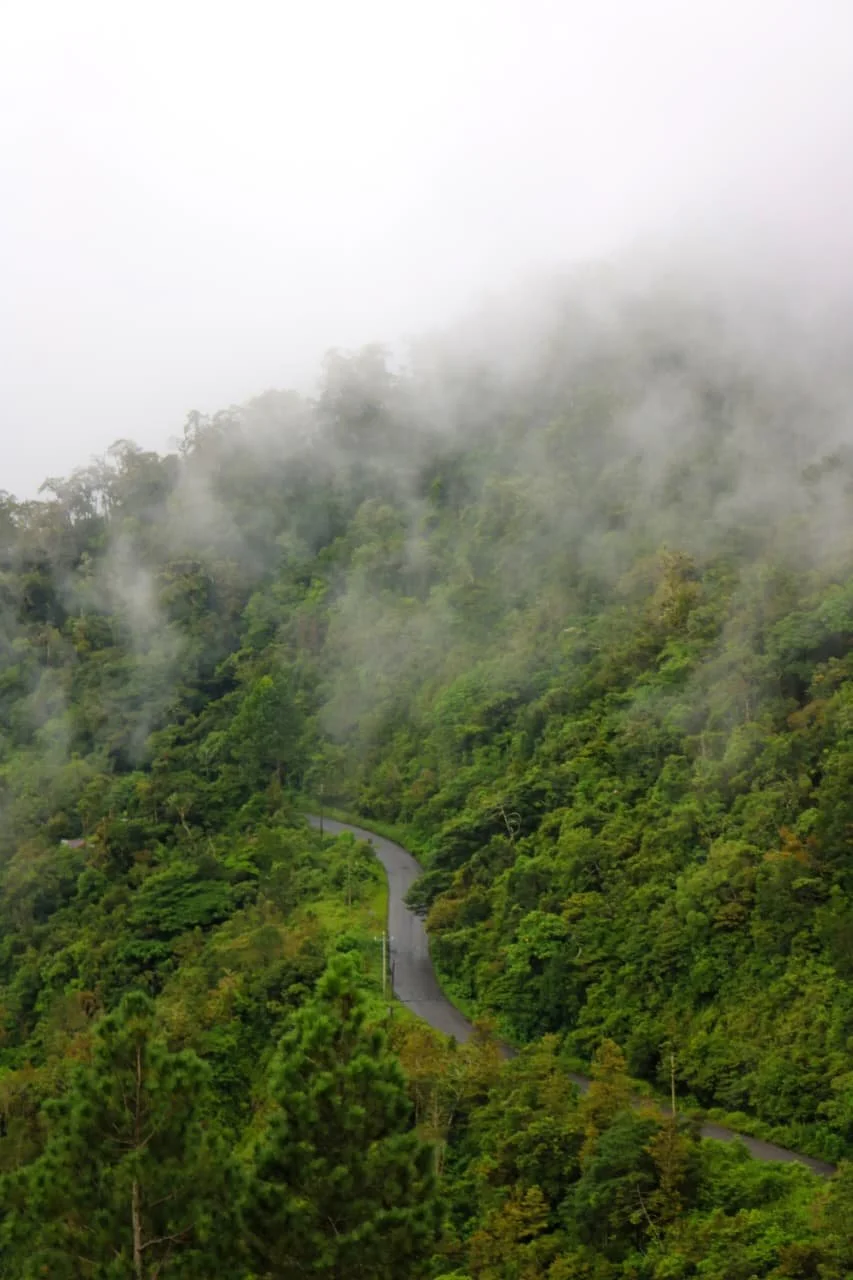
The forests where golden frogs once flourished remain among Panama's richest ecosystems. Cool mountain streams wind through dense tropical vegetation filled with orchids, bromeliads, mosses, ferns, and towering trees draped in vines. Birds such as toucans, motmots, tanagers, and hummingbirds fill the canopy with brilliant colors and constant song. Mammals including monkeys, coatis, sloths, and countless smaller creatures roam these forests alongside reptiles, insects, butterflies, and other amphibians. The disappearance of even one species reminds us that every rainforest is an intricate web of life in which each organism contributes to the health of the whole ecosystem.
Climate change has introduced additional challenges for amphibian conservation. Changes in rainfall patterns, increasing temperatures, shifting cloud forest conditions, and altered stream flows may further stress already fragile populations. Habitat fragmentation caused by roads, agriculture, and development can isolate surviving wildlife populations, making recovery even more difficult. Protecting entire forest ecosystems therefore becomes just as important as protecting the frogs themselves.
For travelers visiting Panama, the golden frog has become one of the country's most meaningful wildlife experiences. While spotting one in the wild is now extraordinarily unlikely, visitors can still learn about this remarkable species at conservation facilities and nature centers. The experience often leaves a lasting impression because the frog represents both the incredible richness of Panama's biodiversity and the fragile nature of that diversity. Many visitors leave with a deeper appreciation for conservation and a greater understanding of how interconnected the natural world truly is.
Perhaps what makes the Panamanian golden frog so inspiring is that it represents hope despite overwhelming odds. Although wild populations have nearly vanished, dedicated scientists, conservationists, educators, veterinarians, volunteers, and local communities have refused to let the species disappear forever. Every healthy breeding colony, every successful tadpole, every scientific breakthrough, and every child who learns about conservation brings the world one small step closer to ensuring that this remarkable amphibian survives for generations yet to come.
The Panamanian golden frog is far more than a beautiful amphibian. It is the living symbol of Panama's extraordinary natural heritage, a tiny ambassador for one of the richest ecosystems on Earth, and a powerful reminder that even the smallest creatures can inspire enormous conservation efforts. Hidden within its bright golden skin is a story of evolution, survival, tragedy, scientific dedication, and hope. While its songs no longer echo through many of Panama's mountain streams, its legacy continues to inspire people around the globe. The dream remains that one day, as conservation science advances and rainforest habitats continue to be protected, future generations may once again encounter flashes of brilliant gold beside the rushing waters of Panama's forests, where this extraordinary little frog has always belonged.