
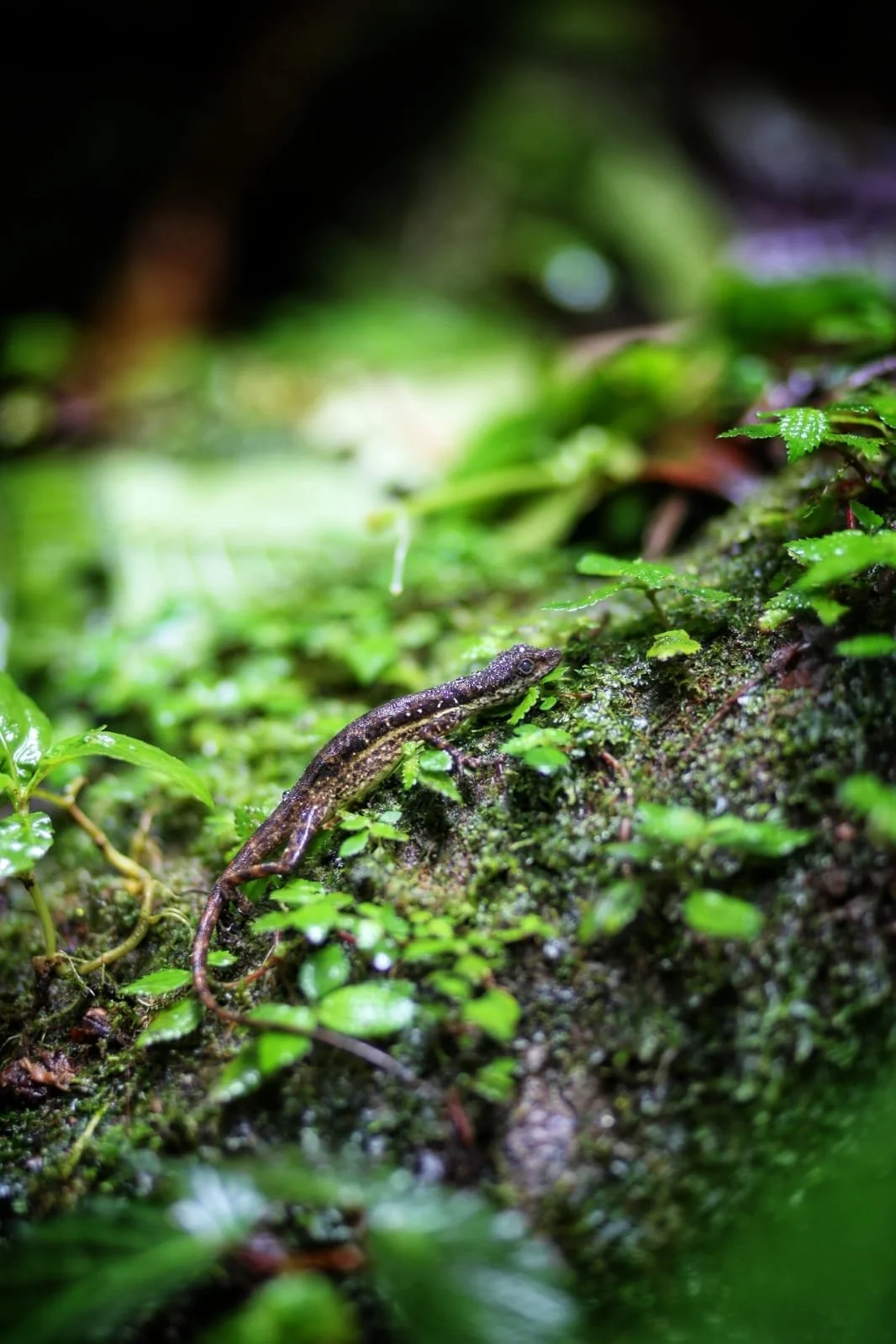
For many travelers, the word "rainy season" brings to mind gray skies and canceled plans. In the mountain town of Boquete, however, the rainy season is something entirely different. It is the time of year when the highlands seem to come alive with astonishing energy, transforming into one of the greenest and most beautiful landscapes in all of Central America. From roughly May through November, the rains breathe life into every hillside, river, cloud forest, coffee plantation, and garden, creating an environment that feels almost prehistoric in its richness. Instead of driving visitors away, the wet season reveals a side of Boquete that many longtime residents consider its most spectacular. Mist drifts through the mountains in the mornings, waterfalls thunder with renewed power, orchids bloom in incredible numbers, and the forests seem to pulse with life as birds, frogs, butterflies, and insects emerge after each afternoon shower.
One of the most fascinating aspects of Boquete's rainy season is its remarkable predictability. Unlike tropical regions where rain can fall relentlessly for days, Boquete often follows a comfortable rhythm. Mornings are frequently sunny, cool, and ideal for hiking, sightseeing, or exploring the town. As the day progresses, towering clouds begin gathering around the surrounding mountains, especially around the slopes of Volcán Barú. By early or mid-afternoon, brief but sometimes intense showers sweep across the valley. These downpours may last anywhere from fifteen minutes to several hours before gradually fading into cool, refreshing evenings. This daily cycle allows residents and experienced visitors to simply adjust their schedules, enjoying outdoor adventures early in the day before relaxing indoors as the rain falls.
The amount of rain Boquete receives varies throughout the season. May marks the transition from the dry season, with occasional afternoon showers beginning to appear. June and July typically become noticeably wetter, although there are often surprisingly sunny days mixed throughout the month. Many locals even refer to a brief reduction in rainfall during late July or August as the "little summer," when sunshine temporarily returns before heavier rains resume. September, October, and early November are generally considered the wettest months, when rivers swell, waterfalls roar, and dense clouds frequently wrap themselves around the surrounding mountains.
The mountains surrounding Boquete play a major role in creating its unique weather. Moist air from the Pacific Ocean rises as it encounters the high elevations of the Cordillera, cooling rapidly and condensing into clouds. This process, known as orographic rainfall, explains why Boquete can experience frequent showers while lower areas of the province remain considerably drier. Elevation also keeps temperatures pleasantly cool compared with much of Panama. Even during the rainy season, daytime temperatures commonly remain comfortable while evenings can become surprisingly chilly, sometimes dropping low enough that residents reach for sweaters or light jackets.
Perhaps nowhere is the rainy season more dramatic than inside the nearby cloud forests. Trails that weave through ancient forests become wrapped in mist as enormous ferns, mosses, bromeliads, orchids, and towering trees drip with moisture. Every surface seems covered in shades of green ranging from brilliant emerald to deep jade. Tiny streams appear where none existed during the dry months, while larger rivers surge with crystal-clear mountain water rushing toward the lowlands. The constant moisture supports extraordinary biodiversity, making this one of the richest ecosystems in the Americas.
Waterfalls become some of Boquete's greatest attractions during the rainy months. Cascades that appear modest during the dry season transform into powerful torrents crashing over cliffs into swirling pools below. The sound of rushing water echoes throughout the valleys, while fine mist cools the surrounding air. Visitors who arrive after several days of rain are often amazed by the sheer force and beauty of these waterfalls, many of which become photographic highlights of any trip.
The rainy season also brings remarkable opportunities for wildlife observation. Birds become especially active after showers, taking advantage of abundant insects and fresh vegetation. Hummingbirds dart between brilliantly colored flowers while toucans, tanagers, and other tropical species fill the forests with calls. Amphibians thrive in the wet conditions, and evenings often resonate with the chorus of frogs hidden among leaves and streams. Butterflies emerge whenever sunshine returns after rainfall, filling gardens with flashes of vibrant color that seem almost unreal against the lush green backdrop.
Coffee, one of Boquete's most famous products, owes much of its exceptional quality to the rainy season. The abundant rainfall nourishes coffee plants growing on the volcanic slopes surrounding the valley, allowing cherries to develop slowly under ideal conditions. Combined with fertile volcanic soils, cool temperatures, and varying elevations, the seasonal rains help produce beans renowned throughout the world for their complexity, sweetness, and balanced acidity. Farmers carefully monitor rainfall throughout the growing season because both too little and too much precipitation can influence the final harvest.
Life in Boquete adapts naturally to the rains. Residents learn to carry lightweight rain jackets, umbrellas, or waterproof backpacks almost automatically. Outdoor cafés may suddenly fill as brief showers pass through, only to empty again once sunshine returns. Roads glisten beneath the mountain light, flowers appear freshly washed, and the cool scent of wet earth fills the air. Rather than seeing rain as an inconvenience, many locals embrace it as part of everyday life, knowing it sustains agriculture, replenishes rivers, and preserves the extraordinary natural beauty that makes the region so special.
For hikers, preparation becomes especially important during the rainy season. Trails can become muddy and slippery, river crossings may rise quickly after heavy rain, and mountain weather can change with surprising speed. Waterproof footwear, layered clothing, dry bags for electronics, and paying attention to weather conditions make a tremendous difference. Starting hikes early in the morning greatly increases the chances of enjoying clear skies and panoramic mountain views before afternoon clouds begin to develop.
The rainy season also offers a quieter side of Boquete. Visitor numbers are generally lower than during the peak dry-season months, allowing travelers to experience the town at a more relaxed pace. Hotels may offer lower rates, restaurants are less crowded, and hiking trails often feel wonderfully peaceful. Many photographers actually prefer this season because the dramatic clouds, brilliant vegetation, and constantly changing light create stunning opportunities that are rarely seen during the drier months.
Ultimately, the rainy season is not something to avoid in Boquete—it is one of the defining features that gives this mountain paradise its character. The rain feeds the forests, powers the waterfalls, nourishes world-class coffee farms, and creates the cool, vibrant environment that has attracted nature lovers, birdwatchers, hikers, and photographers for generations. Visitors who arrive expecting gloomy weather often leave with a completely different impression, discovering instead a landscape bursting with life, color, and freshness. In Boquete, the rainy season is less about enduring bad weather and more about witnessing nature at its absolute peak, when every mountain, valley, flower, and forest seems to celebrate the arrival of life-giving rain.