
There are countries that are beautiful. There are countries that are adventurous. There are countries that are affordable. Then there are countries that somehow combine all of those things into one unforgettable destination. Panama belongs in that rare category. It is a place where you can stand beside two oceans in the same week, hike through cloud forests in the morning, swim with tropical fish in the afternoon, eat world-class seafood for dinner, and finish the night listening to the sounds of the jungle instead of traffic. While many travelers rush between the better-known destinations of Central America, Panama quietly rewards those who take the time to explore it. Backpacking here is not simply about seeing beautiful places. It is about discovering one of the most geographically diverse, culturally fascinating, and surprisingly accessible countries in the Americas.
One of the first things backpackers notice about Panama is how incredibly diverse it is for such a relatively small nation. On a map it appears narrow and compact, but every few hours of travel reveals an entirely different landscape. The humid Caribbean coast feels worlds apart from the dry Pacific beaches. Towering volcanic highlands give way to dense tropical rainforests. Remote indigenous villages exist only a day's journey from gleaming skyscrapers that make Panama City resemble Miami more than a typical Central American capital. Few countries allow travelers to experience so many different environments without spending days on buses crossing enormous distances. In Panama, almost every journey introduces an entirely new adventure.
Perhaps nowhere demonstrates this diversity better than the country's incredible collection of islands. The Caribbean side alone offers destinations that seem almost too beautiful to be real. The archipelago of Bocas del Toro is famous for its colorful waterfront towns, laid-back backpacker atmosphere, crystal-clear water, coral reefs, surfing, snorkeling, dolphin watching, and jungle-covered islands connected by boats instead of roads. Every island has its own personality. Some are lively and filled with music while others contain little more than a handful of houses surrounded by untouched rainforest. Then there are the breathtaking San Blas Islands, home to hundreds of tiny palm-covered islands scattered across turquoise waters. Many are so small they hold only a few coconut trees and a white sand beach. Spending a night in a simple cabin with no crowds and watching the stars appear over the Caribbean Sea is an experience that remains unforgettable for most travelers.
The Pacific side offers an entirely different kind of beauty. The Pearl Islands provide pristine beaches and some of the clearest water in the region. Coiba National Park is considered one of the finest marine reserves in the eastern Pacific, offering spectacular diving alongside sea turtles, reef sharks, giant schools of fish, rays, whales during migration season, and vibrant coral ecosystems. Along the Pacific coast, backpackers also discover surf towns, quiet fishing villages, hidden beaches, and dramatic cliffs where sunsets seem to last forever. Having both the Caribbean Sea and the Pacific Ocean within one country gives Panama an astonishing variety that few destinations anywhere in the world can rival.
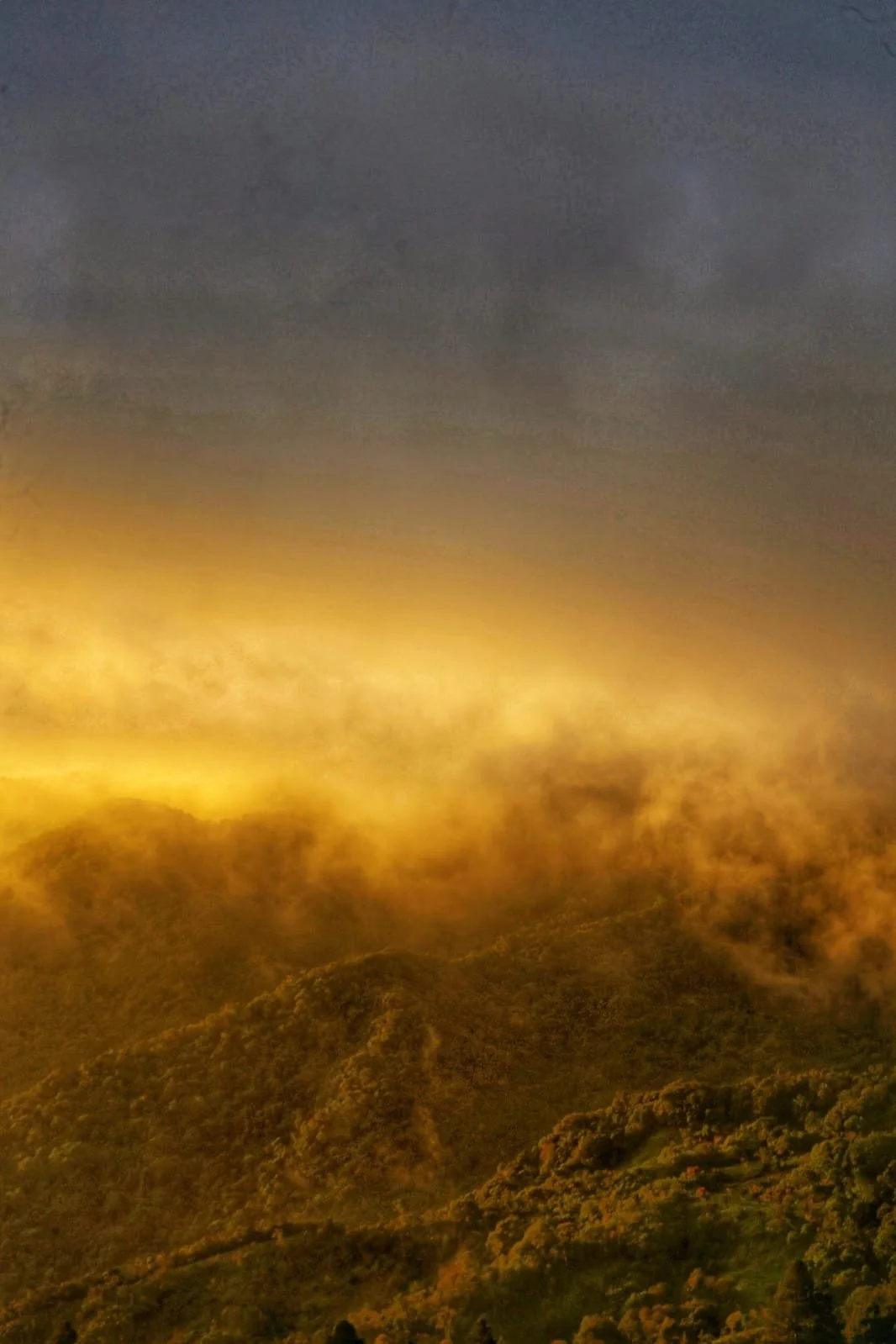
The mountains provide an entirely different side of Panama. Rising above the tropical lowlands are cool cloud forests where temperatures can drop dramatically compared to the coast. In places like Boquete, Cerro Punta, Santa Fe, and El Valle de Antón, hikers discover waterfalls hidden deep within lush forests, rivers flowing over volcanic rock, colorful orchids, towering tree ferns, and countless species of birds. Coffee farms cover the hillsides while mist drifts through ancient forests every morning. The volcanic soil supports remarkable biodiversity, making these regions favorites among birdwatchers, photographers, botanists, and nature lovers alike. Climbing to the summit of Volcán Barú before sunrise remains one of the country's greatest adventures. On exceptionally clear mornings, hikers can witness both the Pacific Ocean and the Caribbean Sea from the highest point in Panama, an experience possible in only a handful of places on Earth.
Wildlife encounters are another reason Panama leaves such lasting impressions on backpackers. The country serves as a biological bridge connecting North and South America, allowing species from both continents to coexist in remarkable numbers. Travelers frequently encounter sloths hanging lazily from roadside trees, troops of capuchin monkeys racing through the canopy, howler monkeys filling the forests with thunderous calls, colorful toucans perched high in the trees, scarlet macaws soaring overhead, coatimundis searching for food, crocodiles basking along riverbanks, sea turtles nesting on remote beaches, and dolphins swimming beside island boats. Panama is also home to the magnificent jaguar, elusive pumas, tapirs, anteaters, poison dart frogs, hummingbirds, hundreds of butterfly species, and well over 1,000 species of birds. For wildlife enthusiasts, every hike carries the possibility of an unforgettable encounter.
One of the greatest pleasures of backpacking Panama is that many of these natural wonders remain remarkably uncrowded. Unlike more heavily visited destinations, it is still possible to find beaches where you may be the only visitor, waterfalls with no entrance line, hiking trails that feel genuinely wild, and villages where tourists remain a rare sight. This sense of discovery gives Panama an authenticity that many experienced backpackers deeply appreciate. Instead of feeling like another visitor following a crowded itinerary, travelers often feel like explorers uncovering hidden corners of the country.
The cultural diversity of Panama is equally extraordinary. Indigenous peoples including the Guna, Ngäbe-Buglé, Emberá, Wounaan, Naso, and Bribri continue preserving traditions that stretch back centuries. Visiting indigenous communities allows travelers to learn about traditional crafts, music, clothing, language, agriculture, and ways of life that have survived despite rapid modernization elsewhere. African, Spanish, Caribbean, Chinese, Middle Eastern, and North American influences have all helped shape modern Panamanian culture, producing one of the most diverse societies in Latin America. This multicultural heritage appears everywhere, from festivals and cuisine to architecture and everyday conversations.
Food is another unexpected highlight for backpackers. Fresh seafood arrives daily from both coasts. Ceviche is sold from bustling fish markets. Tropical fruits including mangoes, papayas, pineapples, passion fruit, guanábana, rambutans, and dragon fruit appear throughout the year. Small family-owned fondas serve hearty local meals at prices that fit even modest backpacking budgets. Fresh coffee from the highlands is internationally celebrated, while roadside bakeries, empanadas, tamales, hojaldres, sancocho, patacones, rice dishes, and grilled fish offer delicious meals that introduce visitors to authentic Panamanian flavors. Eating like a local not only saves money but provides some of the most memorable experiences of the journey.
Few countries blend modern convenience with wild nature as effectively as Panama. Panama City itself is one of Latin America's most modern capitals, featuring efficient transportation, gleaming skyscrapers, rooftop restaurants, lively nightlife, historic neighborhoods, and one of the world's greatest engineering achievements, the Panama Canal. Yet only a short drive from downtown, travelers can find themselves hiking through rainforest filled with monkeys, sloths, tropical birds, and ancient trees. This remarkable contrast between modern urban life and untouched wilderness is one of Panama's defining characteristics.
Transportation throughout much of the country is surprisingly manageable for independent travelers. Colorful buses, long-distance coaches, water taxis, shared transportation, ferries, and domestic flights make reaching both popular destinations and remote regions relatively straightforward. Because Panama is compact, journeys that might require several days elsewhere can often be completed in only a few hours, allowing backpackers to maximize their time exploring instead of sitting in transit.
Safety is another factor that makes Panama especially attractive. While travelers should always exercise normal precautions and remain aware of their surroundings, much of the country is considered among the more stable and comfortable destinations in Central America for independent travel. Friendly locals frequently help visitors with directions, transportation advice, and recommendations that rarely appear in guidebooks. Many backpackers leave with lasting memories not only because of the landscapes but because of the kindness and hospitality they encountered throughout the country.
Adventure seekers find almost endless possibilities. Surfing world-class waves, snorkeling colorful coral reefs, scuba diving with sharks and turtles, kayaking through mangrove forests, whitewater rafting mountain rivers, ziplining above cloud forests, horseback riding across highland valleys, hiking volcanoes, canyoning beside waterfalls, whale watching during migration season, sport fishing in the Pacific, camping beneath jungle stars, exploring hidden caves, birdwatching at dawn, and sailing between tropical islands can all be experienced within a single trip. Very few countries offer such an extraordinary concentration of outdoor adventures packed into one destination.
Perhaps the greatest reason to backpack Panama is that the country still rewards curiosity. It has not lost its sense of authenticity beneath overwhelming tourism. Every region feels distinct. Every village tells a different story. Every bus ride introduces new scenery. Every meal reflects another layer of the country's remarkable cultural history. Panama does not reveal everything immediately. It slowly unfolds, encouraging travelers to stay longer, wander farther, and venture beyond the obvious destinations.
Many travelers arrive expecting little more than a stopover because of the Panama Canal. They leave wondering why they had never considered Panama as a primary destination. They discover cloud forests wrapped in mist, deserted Caribbean islands, vibrant indigenous cultures, spectacular wildlife, world-class diving, mountain coffee farms, untouched beaches, thriving coral reefs, tropical rainforests, colorful colonial streets, unforgettable sunsets, welcoming people, and adventures waiting around nearly every corner.
For backpackers, Panama offers something increasingly difficult to find in today's world: a destination that still feels exciting to discover. It combines the comforts of modern travel with genuine wilderness, affordable adventures with breathtaking scenery, and famous attractions with hidden gems that remain wonderfully uncrowded. It is a country where two oceans meet, where continents connect, where cultures blend, and where every journey reveals something unexpected. Once you have experienced Panama with nothing more than a backpack, comfortable shoes, and an adventurous spirit, you begin to understand why so many travelers who visit for a week end up wishing they had stayed for a month.