
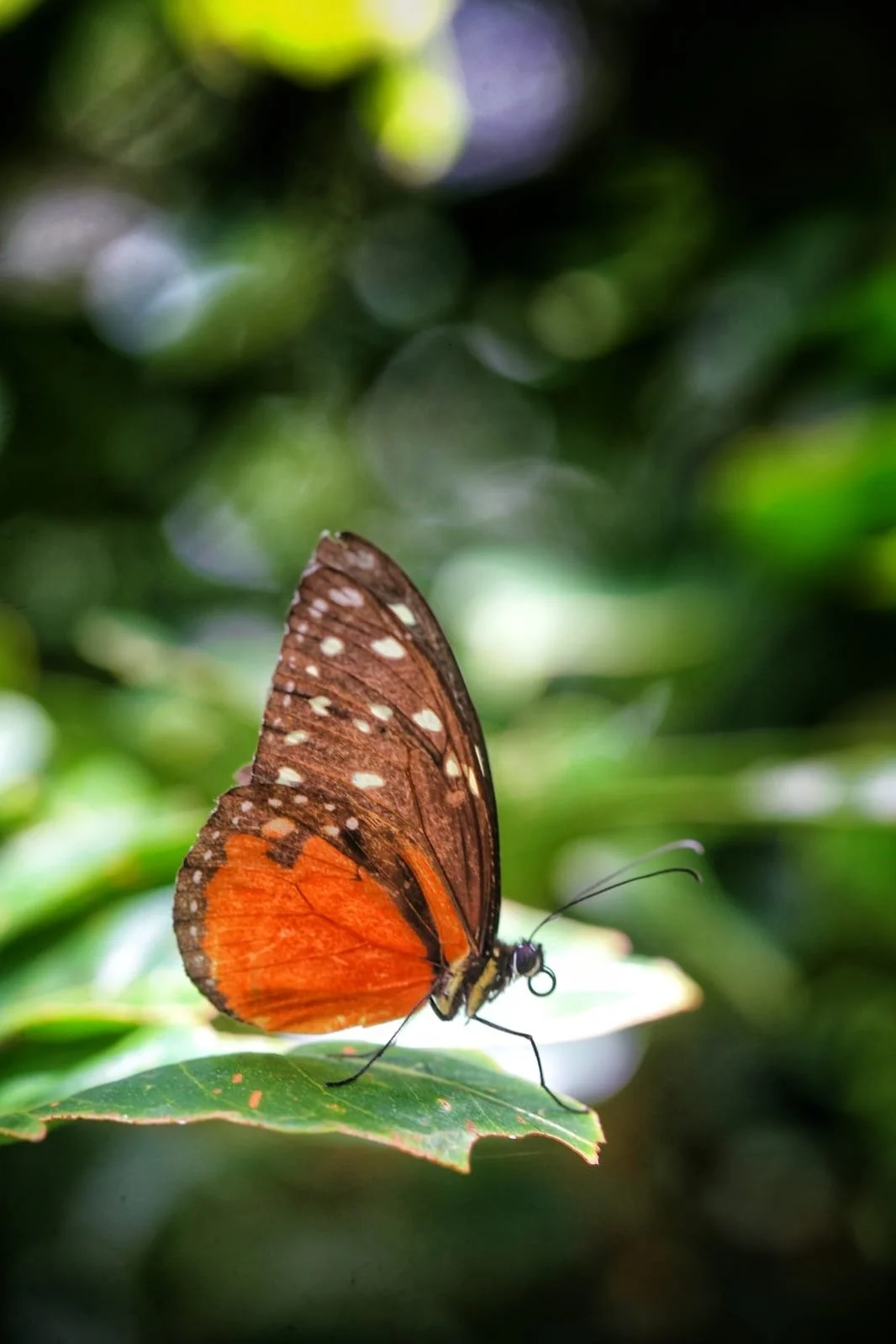
Panama is one of the most biologically extraordinary countries on Earth. Despite covering less than 80,000 square kilometres, it is home to an astonishing variety of wildlife that rivals much larger nations. More than 1,000 species of birds soar through its forests, over 250 species of mammals roam its mountains and jungles, and thousands of reptiles, amphibians, insects, and fish inhabit its rivers, coastlines, and rainforests. Jaguars silently patrol dense forests, harpy eagles nest in towering emergent trees, three toed sloths sleep high in the canopy, poison dart frogs hide among fallen leaves, and humpback whales migrate along both the Pacific and Caribbean coasts.
This incredible biodiversity is one of Panama's greatest treasures. It supports tourism, scientific research, healthy ecosystems, and national pride. Yet despite the country's impressive network of protected areas and national parks, wildlife still faces numerous threats. Among the most significant is illegal hunting, an activity that continues to affect many species across the country.
Illegal hunting in Panama is a complex issue. It is influenced by history, economics, geography, tradition, and the challenge of protecting vast areas of remote forest. While many Panamanians strongly support wildlife conservation, enforcing laws across rugged mountains, dense rainforest, and isolated regions remains an enormous task.
A Country Rich in Wildlife
Panama's unique position between North and South America has made it one of the world's great biological crossroads.
Millions of years ago, the rise of the Isthmus of Panama connected two continents, allowing animals from both directions to expand into new territories. Today the country contains cloud forests, mangrove swamps, tropical rainforests, dry forests, coral reefs, mountain grasslands, wetlands, and two completely different coastlines.
Each habitat supports its own remarkable wildlife.
This incredible diversity also means many different species can become targets for illegal hunting.
Why Does Illegal Hunting Occur?
The reasons behind illegal hunting vary considerably.
In some remote rural communities, hunting has traditionally provided food for families living far from supermarkets and modern infrastructure. Long before conservation laws existed, wild animals formed an important source of protein in parts of Panama.
Today, however, many cases of illegal hunting go beyond simple subsistence.
Some hunters pursue animals for commercial sale.
Others hunt for recreation or sport despite legal restrictions.
Occasionally animals are captured alive for the illegal wildlife trade, although Panama has strengthened efforts to combat wildlife trafficking in recent years.
Understanding these different motivations is important because conservation solutions often need to address local economic realities as well as law enforcement.
Species Most Affected
Many of Panama's larger mammals are particularly vulnerable.
White lipped peccaries once moved through forests in enormous herds numbering hundreds of animals. Today these spectacular mammals have disappeared from some areas because hunting pressure and habitat loss have reduced populations.
Collared peccaries are also hunted in certain regions.
Both species reproduce relatively slowly compared with smaller animals, meaning heavy hunting can quickly reduce local populations.
Deer are another frequent target.
White tailed deer and red brocket deer have long been hunted for meat throughout parts of Panama. Although populations remain healthy in some protected areas, excessive hunting outside reserves can place local pressure on these species.
Agoutis and pacas are among the most commonly hunted rainforest mammals.
These large rodents are highly valued as bushmeat throughout parts of Central America. Because they play an important ecological role by dispersing seeds from countless rainforest trees, declining populations may affect forest regeneration over time.
Large predators such as jaguars and pumas are rarely hunted for food but have sometimes been killed following conflicts with livestock. Conservation organisations increasingly work with ranchers to reduce these conflicts through improved livestock management rather than predator removal.
Birds Under Pressure
Some of Panama's most spectacular birds also face hunting pressure.
The Great Curassow, one of the largest forest birds in Central America, has become scarce in areas where hunting occurs regularly. Its relatively tame behaviour unfortunately makes it especially vulnerable.
Crested guans, chachalacas, and various species of pigeons are also hunted in some regions.
Large colourful parrots occasionally become victims of the illegal pet trade rather than hunting itself. Chicks may be removed from nests and sold illegally, reducing breeding success in wild populations.
Panama's magnificent harpy eagle, the national bird, receives strict legal protection and has become a major symbol of wildlife conservation. Although deliberate killing has become much less common than in the past, habitat protection remains essential for its long term survival.
Hunting Inside Protected Areas
Panama has protected roughly one third of its land through national parks, forest reserves, wildlife refuges, and other conservation areas.
These include famous destinations such as Darién National Park, Coiba National Park, Volcán Barú National Park, Soberanía National Park, Chagres National Park, and many others.
Hunting is generally prohibited inside these protected areas unless specific legal exceptions apply.
Unfortunately, enforcing regulations across thousands of square kilometres of dense tropical forest is challenging.
Many parks contain rugged mountains, remote rivers, and forests that are accessible only by boat or on foot, making regular patrols difficult.
The Challenge of Enforcement
Protecting wildlife across Panama is not easy.
Park rangers often patrol enormous territories with limited personnel and resources.
Some protected areas are larger than entire European countries yet may have relatively small ranger teams responsible for monitoring roads, rivers, trails, and remote forests.
Despite these challenges, environmental authorities continue improving enforcement through increased patrols, cooperation with local communities, environmental education, and partnerships with conservation organisations.
Modern technologies such as camera traps, drones, satellite monitoring, and GPS mapping increasingly assist conservation efforts.
Wildlife Is Worth More Alive
One of the strongest arguments against illegal hunting comes from ecotourism.
Every year thousands of visitors travel to Panama hoping to see monkeys, sloths, toucans, quetzals, poison dart frogs, whales, sea turtles, crocodiles, and countless other species in their natural habitats.
These tourists stay in hotels, visit restaurants, hire guides, use transportation services, and support local businesses.
A single living harpy eagle, jaguar, or troop of monkeys may generate tourism income for decades.
An illegally hunted animal provides only a short term benefit.
Across Panama, many communities increasingly recognise that healthy wildlife populations create sustainable economic opportunities through nature tourism.
Changing Attitudes
Public attitudes toward wildlife have changed dramatically over recent decades.
Younger generations often grow up with greater awareness of conservation issues through schools, documentaries, social media, and national environmental campaigns.
Many people who once viewed wildlife primarily as a food source now see animals as an important part of Panama's natural heritage.
Wildlife photography, birdwatching, and nature tourism have become increasingly popular, encouraging greater appreciation for living animals.
Indigenous Knowledge
Many Indigenous communities possess generations of ecological knowledge about Panama's forests.
Traditional hunting practices in some communities historically operated within natural limits, taking only what was needed while respecting breeding seasons and local wildlife populations.
Today, Indigenous territories play a crucial role in conserving large areas of intact forest that benefit countless species.
Many Indigenous groups actively participate in conservation initiatives while balancing cultural traditions with modern environmental challenges.
Conservation Success Stories
There are encouraging signs across Panama.
Harpy eagle conservation programmes have increased public awareness of the country's national bird.
Sea turtle nesting beaches receive growing protection through local conservation projects.
Protected forests continue safeguarding vital habitat for jaguars, tapirs, monkeys, and hundreds of bird species.
Camera trap studies regularly reveal healthy wildlife populations inside well protected forests, demonstrating that conservation efforts can succeed when habitats remain intact and laws are effectively enforced.
Community based ecotourism projects also provide alternative income sources that reduce dependence on hunting while showcasing Panama's extraordinary biodiversity.
The Future of Panama's Wildlife
The future of Panama's wildlife depends upon maintaining healthy forests, supporting local communities, strengthening environmental education, and continuing effective law enforcement against illegal hunting.
Every jaguar that walks silently through Darién, every troop of howler monkeys calling across the canopy, every Great Curassow crossing a rainforest trail, and every harpy eagle soaring above the forest represents something irreplaceable.
These animals are not simply beautiful. They pollinate flowers, disperse seeds, regulate prey populations, shape ecosystems, and inspire people from around the world to visit Panama.
A Shared Responsibility
Panama's forests are among the richest ecosystems on Earth, and protecting them requires cooperation between governments, Indigenous communities, scientists, park rangers, conservation organisations, local residents, and visitors alike.
Illegal hunting remains a real conservation challenge, but it is only one part of a much larger story. Across the country, thousands of people dedicate their lives to protecting wildlife and preserving the forests that sustain it. Their efforts are helping ensure that future generations will still hear howler monkeys echoing through the rainforest, watch flocks of toucans crossing the canopy, glimpse elusive tapirs along jungle rivers, and perhaps even catch sight of a jaguar disappearing silently into the undergrowth.
The story of Panama is not simply one of extraordinary biodiversity. It is also the story of a nation working to balance development, tradition, and conservation while safeguarding one of the greatest natural treasures in the Americas. Protecting wildlife from illegal hunting is an essential part of that mission, ensuring that Panama's remarkable forests remain vibrant, healthy, and full of life for centuries to come.