
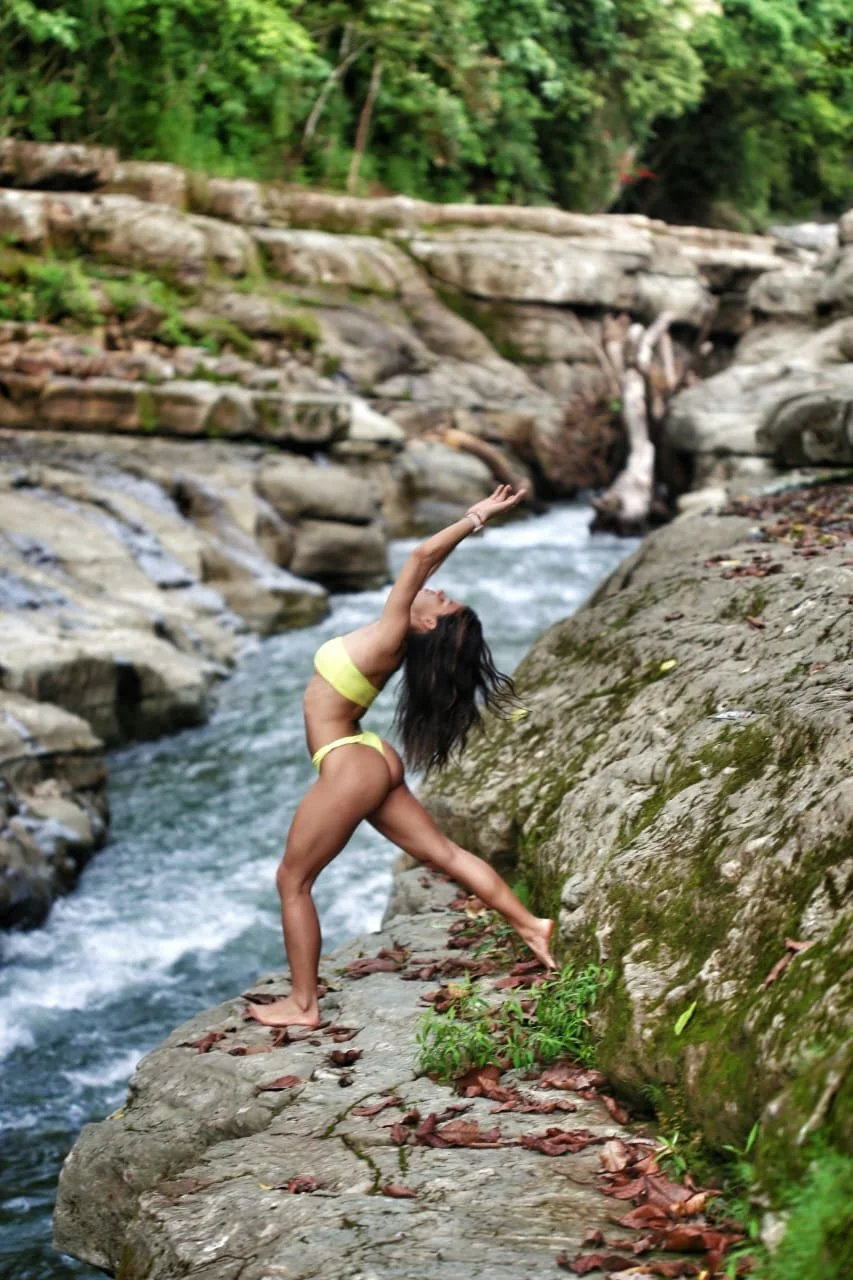
Panama is one of those rare destinations where there is no single “perfect” month to visit. The best time depends completely on what kind of traveler you are. Someone looking for endless sunshine on Caribbean islands may choose a different month than someone hoping to hike through misty cloud forests, see wildlife, avoid crowds, find cheap accommodation, or experience local festivals.
Located between the Caribbean Sea and the Pacific Ocean, Panama has a tropical climate influenced by mountains, oceans, trade winds, and seasonal weather patterns. Unlike countries with four traditional seasons, Panama mainly has two: the dry season, known locally as verano (summer), and the rainy season, known as invierno (winter). However, even the rainy season is not simply “bad weather.” Many travelers are surprised to discover that Panama’s greenest, most beautiful landscapes appear during the wetter months.
The most popular travel period is generally from December through April, especially January, February, and March. These months attract the largest number of international visitors because they offer the most reliable sunshine, lower humidity, and ideal conditions for beaches, hiking, islands, and outdoor adventures.
However, the busiest months are not always the best months. Panama has a fascinating travel rhythm where every season offers something unique.
December: The Beginning of Panama’s High Season
December marks the transition from the rainy season into the drier months. It is one of the most exciting times to visit because the country begins preparing for Christmas celebrations, New Year’s festivities, and the arrival of international travelers escaping colder climates.
By mid December, the weather in many parts of Panama becomes noticeably drier. The skies become clearer, the humidity drops slightly, and outdoor activities become more predictable. Beaches become more attractive, hiking trails become easier to access, and boat tours are often more comfortable.
This month is especially popular with travelers from North America and Europe because many people have vacation time around Christmas and New Year’s. Hotels, hostels, and tours can become much busier, particularly between Christmas and the first week of January.
New Year’s Eve is a major celebration in Panama. Panama City becomes lively with parties, fireworks, restaurants, and nightlife events. Beach destinations and islands also become extremely popular.
For budget travelers, December can be challenging because prices often increase during the holiday period. Booking accommodation ahead of time is strongly recommended.
January: One of the Best Months for Weather
January is arguably one of the best months to visit Panama. The dry season is firmly established, and many regions experience beautiful sunny days.
This is when Panama’s famous landscapes often look their best. The Pacific beaches have excellent conditions, mountain areas offer comfortable hiking temperatures, and islands such as Bocas del Toro and the San Blas Islands become incredibly popular.
January is also a great month for exploring Panama’s mountains. Places like Boquete and the highlands of Chiriquí are cooler, with temperatures that can feel refreshing compared with the tropical heat of the lowlands.
The trade winds are often stronger during this period, especially on the Caribbean coast. This can create beautiful conditions for sailing, although some boat trips may occasionally be affected by stronger winds.
January is part of Panama’s peak tourism season, meaning popular destinations can feel much busier. Famous attractions, island tours, and highly rated accommodations may fill quickly.
February: Peak Tourism and Festival Season
February is one of the busiest months in Panama, largely because of two factors: excellent weather and Carnival.
Carnival is one of the biggest celebrations in Panama’s calendar. The country comes alive with parades, music, dancing, costumes, water celebrations, and street parties. The most famous Carnival celebrations take place in cities such as Las Tablas, where thousands of people travel to experience one of the country’s most important cultural events.
For travelers who want to experience authentic Panamanian culture, Carnival can be unforgettable. However, it is also one of the busiest periods of the year. Transportation becomes more crowded, accommodation prices increase, and popular destinations can feel completely full.
Outside Carnival, February remains an excellent month for nature travel. The dry conditions are perfect for hiking, wildlife watching, photography, and exploring national parks.
March: Ideal for Outdoor Adventures
March is another excellent month to visit Panama. The weather remains dry, and the country is still experiencing peak season conditions.
This is a particularly good month for travelers who want to combine different experiences: beaches, mountains, cities, and jungle.
Hikers enjoy the clearer conditions around places like Volcán Barú and cloud forests. Surfers often find good waves on the Pacific coast. Divers and snorkelers enjoy clearer ocean conditions in many areas.
March is also popular because many travelers from colder countries are still looking for warm destinations before returning home for spring.
April: The End of the Dry Season
April is an interesting month because it represents the end of the traditional high season. The weather is often still excellent, but crowds begin decreasing later in the month.
For many travelers, April offers the best balance between good weather and fewer tourists. Prices may begin dropping, and popular attractions become more relaxed.
The country becomes increasingly hot toward the end of April, especially in lowland areas such as Panama City and the Pacific coast.
May: The Beginning of the Green Season
May marks the beginning of the rainy season in many parts of Panama, but this does not mean constant rain.
A typical May day might involve a sunny morning followed by afternoon showers. These rains often last only a few hours before the skies clear again.
This month is excellent for travelers who want to see Panama’s natural beauty at its most vibrant. Forests become intensely green, waterfalls become more powerful, and wildlife becomes increasingly active.
Prices are usually lower than during peak season, making May attractive for budget travelers.
June Through August: The Green Season and International Travelers
The months of June, July, and August are fascinating because they combine rainy season conditions with another wave of tourism.
Many Europeans and North Americans have summer vacations during these months, meaning Panama receives another increase in visitors. Families, backpackers, and long-term travelers often arrive during this period.
Unlike the dry season, rain becomes part of the adventure. Travelers should expect occasional heavy tropical showers, but many days still contain plenty of sunshine.
This period is excellent for:
• Seeing lush rainforests
• Experiencing waterfalls
• Birdwatching
• Exploring cloud forests
• Finding lower accommodation prices
• Avoiding extreme heat
For photographers, these months can be incredible because Panama’s landscapes are at their most dramatic.
September and October: The Quietest Months
September and October are usually among the quietest months for tourism in Panama.
Many international travelers avoid these months because they associate the rainy season with poor weather. However, experienced travelers often consider this a hidden gem period.
Yes, rain is more common. Some days can have heavy afternoon storms. Caribbean areas such as Bocas del Toro can experience unpredictable weather patterns. Some boat trips may be affected.
But there are also major advantages.
Accommodation prices are often among the lowest of the year. Popular attractions can feel almost empty. Beaches are peaceful. National parks are quieter. Travelers who enjoy slow exploration often love this period.
Nature is spectacular during these months. Rivers are flowing strongly, forests are incredibly green, and waterfalls are at their most impressive.
November: A Surprisingly Interesting Month
November is one of Panama’s most culturally important months because the country celebrates multiple national holidays.
Panama celebrates independence from Colombia on November 3, Separation Day from Spain on November 28, and several other patriotic events throughout the month.
During November, towns and cities fill with flags, parades, traditional clothing, music, and celebrations. It is a fantastic time to experience Panamanian culture.
Weather can be unpredictable because November is usually still part of the rainy season, but conditions begin improving toward the end of the month.
The Busiest Travel Periods in Panama
The busiest times are generally:
Christmas and New Year’s (late December to early January)
Travelers arrive for holidays, beaches become crowded, and prices rise.
Carnival (usually February or March)
One of Panama’s biggest cultural events creates huge domestic travel.
January through March
The peak dry season attracts visitors seeking guaranteed sunshine.
July and August
European summer vacations create another tourism increase.
During these periods, travelers should book popular accommodations, tours, and transportation earlier.
The Cheapest Months to Visit Panama
The cheapest periods are usually:
May
A great combination of improving weather and lower prices.
September and October
The quietest months with some of the best deals.
Early November
Before the major holiday celebrations, prices can remain attractive.
Budget travelers often find that visiting during the green season allows them to experience Panama at a fraction of the cost of peak season.
The Best Month Depends on Your Travel Style
For perfect beach weather: January through March
For hiking and mountains: December through April
For wildlife and rainforest photography: May through November
For backpackers wanting fewer crowds: May, September, and October
For cultural experiences: November and Carnival season
For budget travelers: September and October
For first time visitors: January through April offers the easiest overall experience
The Secret About Panama’s Seasons
Many travelers arrive expecting the dry season to be the only good time to visit, but Panama’s rainy season has its own magic. The forests become alive, waterfalls roar, flowers bloom, and the country feels more wild.
The dry season offers convenience. The rainy season offers atmosphere.
A traveler visiting Panama in February may experience endless blue skies, calm seas, and perfect beach days. A traveler visiting in October may walk through a dripping cloud forest, watch rain fall over jungle mountains, and see landscapes that look almost impossibly green.
Both are unforgettable experiences.
The true beauty of Panama is that it is not a destination with only one good season. It is a country constantly changing with the weather. The best month depends on whether you want sunshine, adventure, culture, wildlife, solitude, or the lowest prices. Whenever you choose to visit, Panama has a way of rewarding travelers who are willing to embrace its tropical rhythm.