
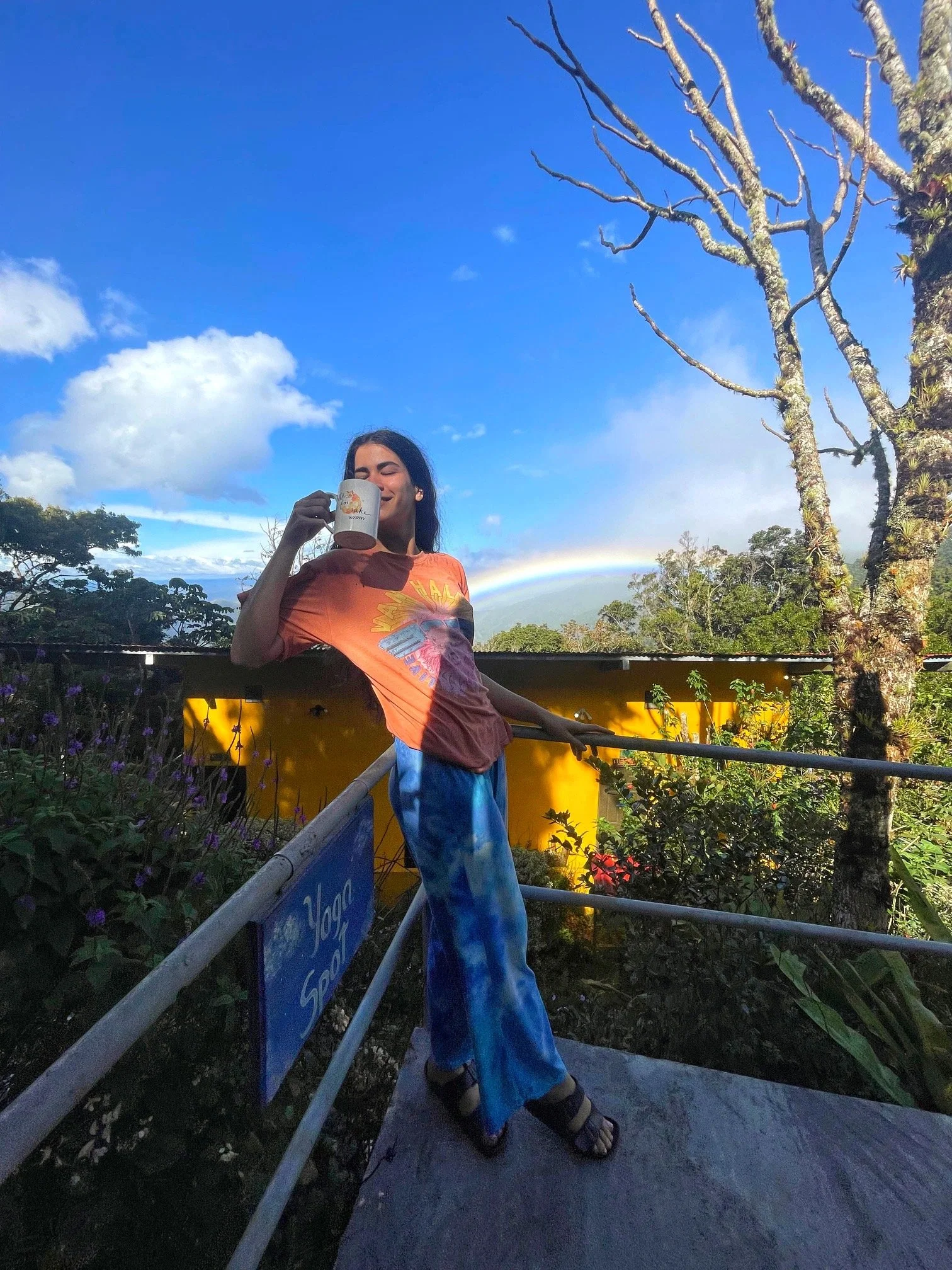
For many travelers, Panama begins as a destination for beaches, tropical islands, volcanoes, coffee plantations, rainforests, and the engineering wonder of the Panama Canal. Yet after spending just a few days exploring the country, many visitors discover something unexpected. They find themselves wanting to stay longer, connect more deeply with local people, and learn Spanish. Fortunately, Panama is an excellent place to do exactly that. Although it is often overshadowed by countries such as Spain, Mexico, Costa Rica, Guatemala, or Colombia, Panama has quietly developed a growing network of high quality Spanish language schools that welcome students from around the world. Whether you are a complete beginner who only knows "Hola" and "Gracias" or an advanced student hoping to polish your conversational skills, Panama offers an enjoyable, immersive environment where learning the language becomes part of the adventure itself.
One of the reasons Panama is such an appealing destination for language learners is that it combines excellent teaching with incredible diversity. In a relatively small country, students can choose to study in the heart of a modern capital city, in a cool mountain town surrounded by coffee farms, or near tropical beaches where surfing and island hopping become part of everyday life. Rather than spending all day inside a classroom, students often find themselves practicing Spanish while ordering lunch at a local restaurant, shopping at neighborhood markets, asking for directions, chatting with taxi drivers, hiking with local guides, or making friends with Panamanians. Every trip to the supermarket, every bus ride, and every evening spent in a café becomes another opportunity to improve. This type of real world immersion is one of the fastest ways to build confidence because the language immediately becomes useful instead of remaining something that exists only inside textbooks.
Panama's Spanish school industry is not enormous, but that is actually one of its greatest strengths. Instead of hundreds of competing schools, the country has a smaller number of well established language centers that focus on personalized instruction, smaller class sizes, and flexible programs. Many schools offer group lessons, private one on one classes, intensive immersion programs, business Spanish, medical Spanish, DELE examination preparation, online lessons, and even homestay programs where students live with Panamanian families to maximize daily language practice.
Panama City is naturally one of the country's main centers for learning Spanish. As the nation's capital, it offers students the chance to study while experiencing one of Latin America's most modern and cosmopolitan cities. Between classes, students can wander through the historic streets of Casco Viejo, visit museums, walk along the Cinta Costera, admire ships entering the Panama Canal, or enjoy restaurants representing cuisines from around the world. Because Panama City is a major international business hub, many schools also attract professionals, diplomats, and expatriates who need Spanish for work rather than simply for travel. The city offers countless opportunities to practice with local residents while still providing many English speakers when students occasionally need help.
For travelers looking for a quieter learning environment, Boquete has become one of the country's most popular destinations. Nestled in the mountains of Chiriquí Province, Boquete enjoys a much cooler climate than the rest of Panama, making it comfortable to study throughout the year. Coffee farms, waterfalls, hiking trails, and spectacular views of the surrounding mountains create a peaceful atmosphere that many students find ideal for concentrating on language learning. Days often begin with Spanish classes before continuing with hikes, coffee tours, farmers markets, or relaxed evenings practicing conversation in local cafés. The slower pace allows students to absorb the language naturally without the distractions of a large city.
Beach lovers are not left out either. Some schools now offer programs in destinations such as Playa Venao or Bocas del Toro, where language study is combined with surfing, diving, snorkeling, yoga, or island exploration. Imagine spending the morning learning Spanish grammar, the afternoon catching waves or exploring coral reefs, and the evening speaking Spanish with local residents over fresh seafood or tropical fruit smoothies. For many younger travelers and backpackers, this combination of study and adventure makes Panama particularly attractive because learning feels less like attending school and more like becoming part of everyday life.
One question prospective students often ask is whether Panama is a good place to learn "clear" Spanish. The answer is generally yes. Panamanian Spanish has its own accent, expressions, and slang, just as every Spanish speaking country does, but it is widely understood throughout the Spanish speaking world. Like any country, people may speak more quickly in casual conversation than they do in the classroom, yet teachers are experienced in working with beginners and international students. Learning in Panama also prepares students for real conversations because they hear the language as it is genuinely spoken rather than only memorizing textbook dialogues.
Most language schools begin with a placement test to determine your current level. Absolute beginners start with greetings, pronunciation, numbers, and essential vocabulary, while more advanced students move directly into conversation, grammar refinement, listening comprehension, and writing exercises. Many schools follow internationally recognized proficiency levels, allowing students to progress systematically from beginner through advanced stages.
Class sizes are often relatively small, which means students receive far more speaking practice than they might in large university lecture halls. Rather than spending hours listening passively, learners are encouraged to participate constantly through conversations, role playing, games, discussions, and practical exercises. Teachers understand that confidence develops through speaking, not simply through memorizing vocabulary lists. Mistakes are viewed as a natural part of learning rather than something to fear.
Many schools also organize cultural activities outside the classroom. Students may visit coffee plantations, hike cloud forests, explore local markets, attend cooking classes, dance lessons, festivals, or historical tours. These activities expose learners to authentic Panamanian culture while creating additional opportunities to use Spanish in real situations. Instead of simply translating words, students begin understanding the customs, humor, traditions, and daily rhythms that give the language its meaning.
Accommodation options are equally flexible. Some students choose to stay in hostels where they meet backpackers from around the world. Others rent apartments or hotels, while many schools arrange homestays with Panamanian families. Living with a local family is widely considered one of the fastest ways to improve because every meal, conversation, and household activity becomes another language lesson. Students quickly learn everyday expressions that rarely appear in textbooks while gaining firsthand insight into Panamanian family life and culture.
Another advantage of studying in Panama is flexibility. Some visitors enroll for just one week to learn basic travel Spanish before continuing through Central America. Others stay for several months, combining intensive classes with remote work, volunteering, or long term travel. Because Panama is relatively compact, students can even study in multiple locations, spending one week in Panama City before continuing to Boquete or the Caribbean coast for a completely different immersion experience. Several schools actively encourage students to combine campuses as part of one learning journey.
Perhaps the greatest reason to study Spanish in Panama is that the classroom never truly ends. Every taxi ride becomes listening practice. Every restaurant becomes an opportunity to order confidently. Every bus journey teaches new vocabulary. Every conversation with hostel staff, market vendors, tour guides, or fellow travelers reinforces what was learned earlier that morning. Language stops feeling like an academic subject and begins functioning as the key that unlocks richer travel experiences.
In the end, Panama may not be the first country that comes to mind when people think about learning Spanish, but that is precisely what makes it such a hidden gem. It combines modern cities, welcoming mountain towns, tropical beaches, incredible biodiversity, friendly people, and a growing collection of respected language schools into one unforgettable destination. Whether your goal is to travel more confidently, prepare for life in Latin America, improve your career opportunities, or simply challenge yourself by learning one of the world's most widely spoken languages, Panama offers an inspiring environment where every day provides another opportunity to practice. You will almost certainly leave with stronger Spanish skills, but many students discover they also leave with something even more valuable: a deeper understanding of Panamanian culture, lasting international friendships, and memories that continue long after the final lesson has ended.