
When many travelers picture Panama, they imagine the Panama Canal, tropical beaches, Caribbean islands, lush rainforests, colorful buses, coffee farms, and historic neighborhoods filled with colonial architecture. But there is another side of Panama that is becoming impossible to ignore. Across the walls, buildings, bridges, and forgotten corners of the country, a vibrant street art movement has been transforming ordinary concrete spaces into giant outdoor galleries. Panama's graffiti and street art scene tells stories of identity, history, culture, social issues, nature, and the country's rapidly changing urban landscape. For travelers willing to look beyond the typical tourist attractions, exploring Panama through its murals offers a completely different way to understand the country.
Street art in Panama is more than just paint on a wall. It is a visual language. It is a way for artists to communicate ideas, celebrate their heritage, criticize problems, preserve memories, and bring beauty into places that might otherwise be ignored. A forgotten wall covered in cracks and stains can become a massive portrait of an Indigenous leader, a colorful jungle scene filled with tropical animals, or a powerful image representing Panama's diverse communities. In many ways, street art acts like a public museum where anyone walking down the street becomes a visitor.
The heart of Panama's street art movement is undoubtedly Panama City. As the country's largest city and a major international hub, it has become the perfect place for artists to experiment with large scale murals and urban creativity. The contrast between modern skyscrapers, historic neighborhoods, abandoned buildings, and rapidly developing areas creates a unique canvas. A traveler can walk through one neighborhood and see luxury towers rising behind colorful graffiti covered walls, creating a fascinating visual representation of old Panama meeting new Panama.
One of the most famous areas for discovering street art is Casco Viejo. The historic neighborhood is already famous for its beautiful colonial buildings, narrow streets, churches, plazas, and balconies, but it also contains a constantly changing collection of murals and artistic expressions. Some works blend perfectly with the area's historic atmosphere, while others create a dramatic contrast between centuries old architecture and modern urban art. Walking through Casco Viejo feels like moving through a living art exhibition where every corner might reveal something unexpected.
Another important area for urban creativity is El Chorrillo. Historically known as one of Panama City's most working class neighborhoods, El Chorrillo has a deep cultural identity connected to music, boxing, local traditions, and community pride. Street art in areas like this often reflects the voices of residents, highlighting important figures, neighborhood history, and everyday life. Murals become a way of showing that communities are more than the challenges often shown in headlines. They preserve stories that might otherwise disappear.
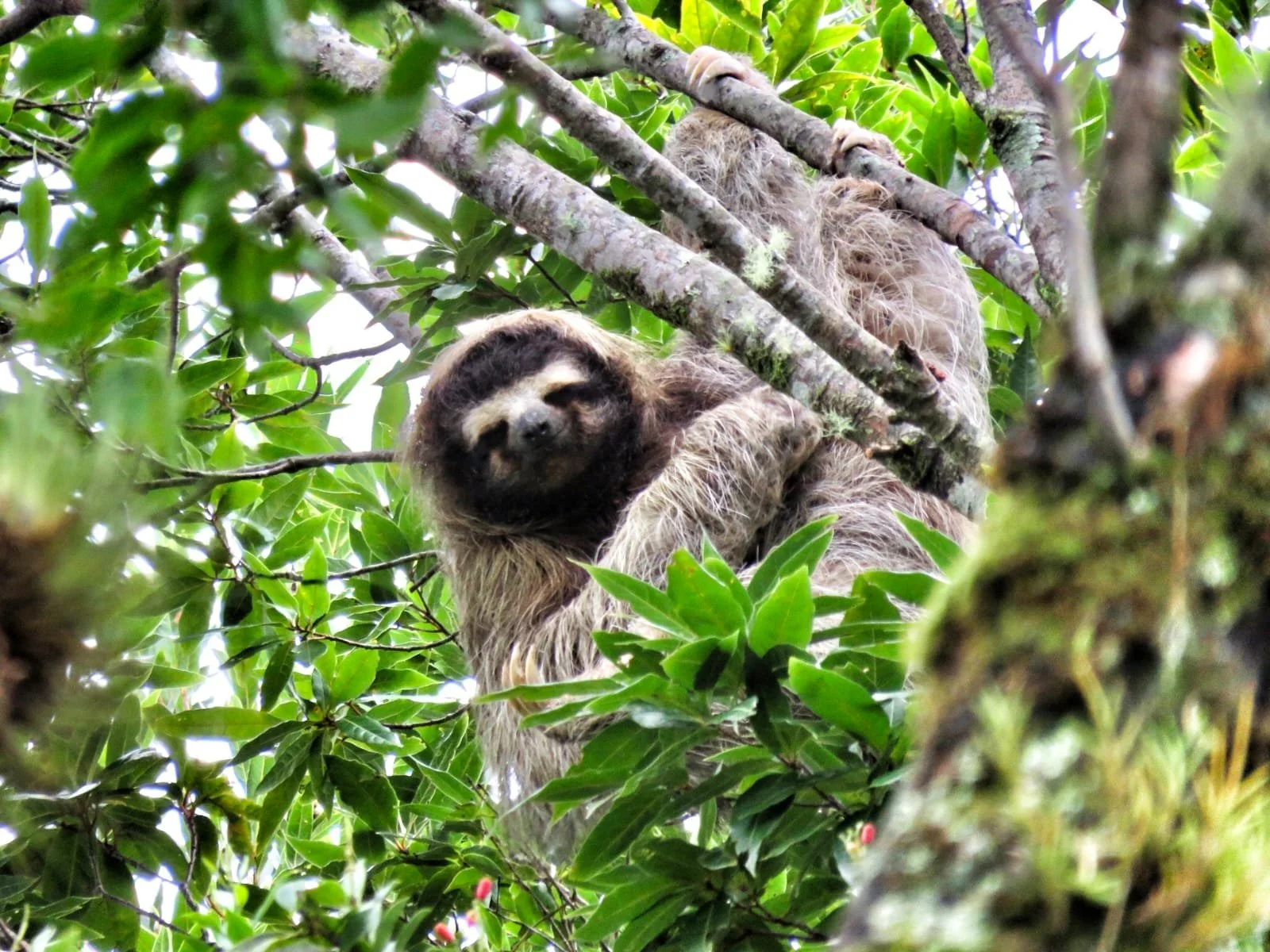
Panamanian street artists often draw inspiration from the country's incredible biodiversity. It is common to see murals featuring jaguars, frogs, sloths, toucans, monkeys, sea turtles, and tropical plants. These images are not just decorative. Panama is one of the most biologically diverse countries on Earth, and many artists use their work to celebrate and protect that natural heritage. A massive colorful mural of a rainforest creature on a city wall can remind thousands of people every day about the importance of protecting the ecosystems surrounding them.
Another fascinating element of Panama's graffiti culture is how it reflects the country's multicultural identity. Panama has been shaped by Indigenous communities, Afro Caribbean traditions, Spanish colonial history, immigration from around the world, and the influence of the Panama Canal. Street artists frequently incorporate these different influences into their work. You may see traditional patterns, Caribbean colors, historical figures, musical references, and modern urban styles all combined in one piece. The result is a visual representation of Panama itself: diverse, constantly evolving, and full of contrasts.
Graffiti culture also has its own language and traditions. Like many countries, Panama has artists who specialize in lettering, tags, characters, and large scale murals. Some focus on highly stylized graffiti writing, where the artist's name becomes an elaborate design. Others prefer realistic portraits, political messages, abstract shapes, or fantasy inspired images. There is a constant conversation between artists as walls change over time. One mural may replace another, new artists emerge, and neighborhoods develop their own visual personalities.
For travelers, exploring Panama's street art can be one of the most affordable and rewarding activities available. Unlike many attractions that require entrance fees, street art can be enjoyed simply by walking. A visitor can spend an afternoon wandering through neighborhoods, discovering hidden murals, taking photographs, and learning about the stories behind the artwork. It is a different style of tourism that encourages curiosity rather than simply following a checklist of famous attractions.
Many backpackers especially enjoy street art because it reveals the everyday side of a country. A museum can show you important historical objects, but a mural painted on a neighborhood wall can show you what people care about today. It can reveal current conversations about identity, environmental protection, inequality, politics, pride, and cultural change. It provides a glimpse into the imagination of the people who actually live there.
Panama's street art scene has also benefited from international connections. Because Panama City is a global crossroads, artists from different countries pass through, collaborate with local creators, and contribute new styles. The same global influences that shape music, fashion, and food can be seen in the city's murals. You may notice influences from Colombia, Brazil, the United States, Europe, and Caribbean nations, all blending with distinctly Panamanian themes.
The rise of social media has played a major role in promoting Panama's urban art. A beautiful mural can be photographed and shared around the world within minutes, bringing attention to neighborhoods that previously received little international recognition. Some murals have become unofficial tourist attractions because visitors specifically search for them while exploring Panama City. A colorful wall that was once ignored can suddenly become one of the most photographed locations in the area.
Street art also connects with Panama's growing creative economy. Young artists are increasingly finding opportunities through commissions, festivals, design projects, and collaborations with businesses. Restaurants, hotels, cafés, and cultural spaces often hire artists to create unique environments that reflect local culture. What was once considered simply graffiti is increasingly recognized as a legitimate art form that can contribute to tourism, neighborhood revitalization, and cultural pride.
For visitors staying longer in Panama, street art can even become a way to learn Spanish. Many murals contain words, phrases, and messages that reflect local expressions and slang. Asking a Panamanian friend about the meaning behind a mural can lead to conversations about history, politics, music, and daily life. It becomes a language lesson combined with a cultural experience.
The best way to experience Panama's street art is to slow down. Instead of rushing from one famous attraction to another, take time to walk. Look above storefronts. Explore side streets. Notice abandoned buildings that have been transformed by artists. Ask locals about interesting murals. Some of the best artwork is not found in guidebooks because it changes constantly and exists naturally as part of the city.
Panama's graffiti and street art scene represents something much larger than decoration. It represents a country expressing itself. It shows pride in culture, respect for nature, memories of the past, and hopes for the future. Every mural tells a story, and every neighborhood provides a different chapter. For travelers who want to experience a more authentic side of Panama, following the colors painted across the country's walls is one of the most fascinating journeys they can take.
Beyond the beaches, mountains, and famous landmarks lies another Panama waiting to be discovered. It is a Panama of spray cans, giant murals, hidden messages, neighborhood pride, and artists turning ordinary concrete into extraordinary works of art. Street art proves that creativity is everywhere, and in Panama, sometimes the most interesting museum has no roof, no entrance fee, and is waiting right around the corner.