
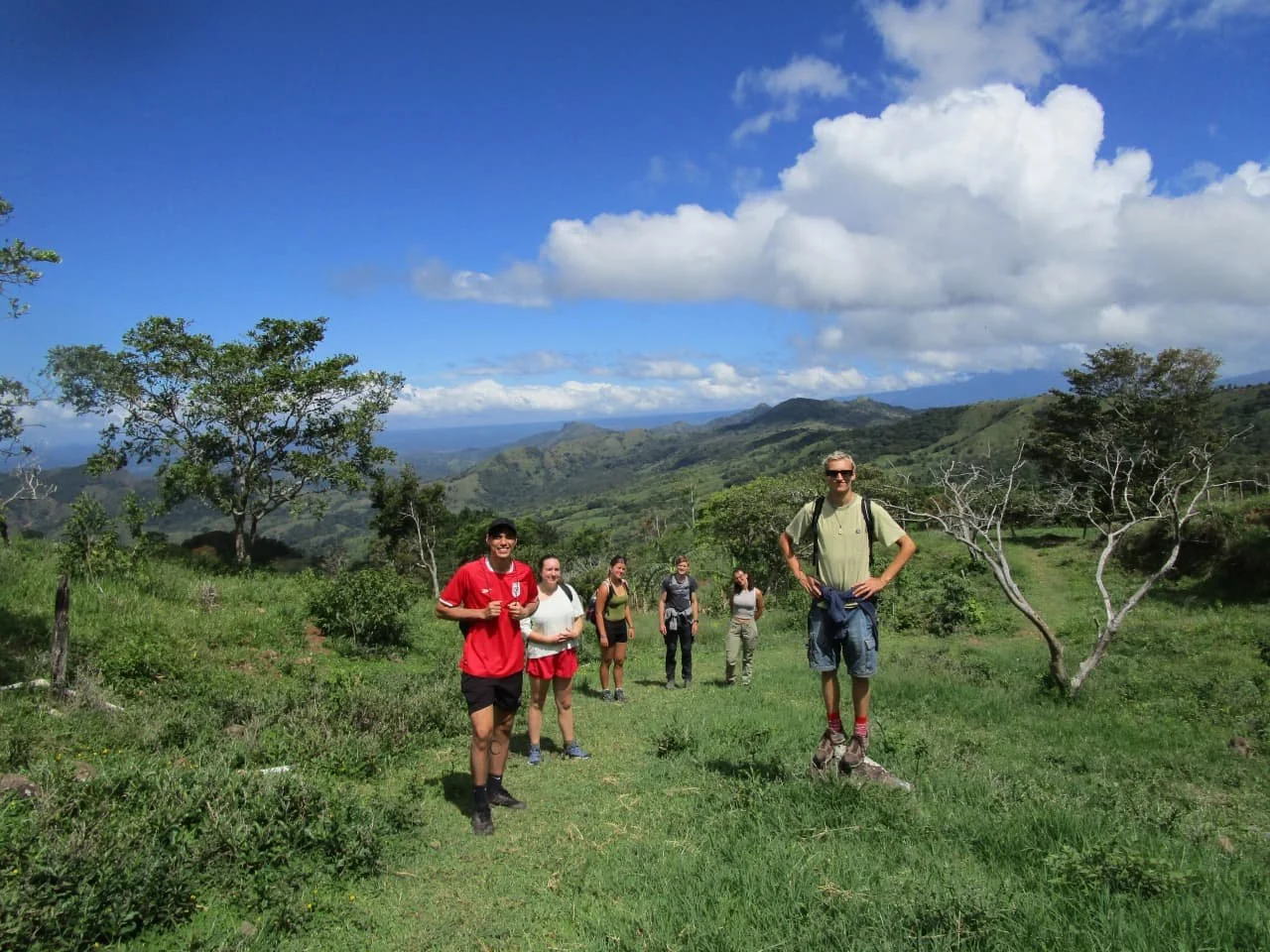
Panama may look small on a map, but few countries in Central America pack such an extraordinary variety of landscapes, cultures and experiences into such a compact space. Within a relatively short journey, you can go from a modern skyscraper-filled capital to a 500-year-old colonial neighborhood, from dense rainforest to Caribbean islands, from cool mountain valleys to volcanic beaches, and from one of the world's greatest engineering achievements to tiny islands where life still revolves around the sea.
The Panama Canal might be the country's most famous attraction, but it is only the beginning. Panama's tourism authorities highlight everything from Panama City and Boquete to Bocas del Toro, Portobelo, Pedasí, the Gulf of Chiriquí, El Valle de Antón and the Pacific coast as major destinations.
If you're planning a first trip to Panama, these are the places that deserve to be on your radar.
The Panama Canal: The Place That Put Panama on the Map
No list of famous places in Panama could possibly begin anywhere else.
The Panama Canal is one of the most recognizable engineering projects on Earth. Stretching across the country between the Pacific and Atlantic sides, the canal transformed global shipping and turned Panama into one of the most strategically important countries in the world.
For travelers, one of the easiest places to experience it is the Miraflores Locks near Panama City, where you can watch enormous ships slowly rise and descend through the canal system. It is one thing to read about the canal in a history book, but quite another to stand beside it and watch a gigantic container ship pass surprisingly close in front of you.
And the canal isn't simply an industrial attraction. It is surrounded by some remarkable rainforest, wildlife and freshwater ecosystems, making the entire Canal Zone an interesting destination for travelers who enjoy nature as much as engineering.
The canal remains arguably Panama's single most famous tourist attraction.
Casco Antiguo: Panama's Most Atmospheric Neighborhood
If the Panama Canal represents modern Panama, Casco Antiguo represents its history.
Walking into Casco Antiguo can feel like stepping into another country. Narrow streets, old stone walls, colorful buildings, churches, plazas, balconies and historic ruins create an atmosphere dramatically different from the skyscrapers of modern Panama City.
The neighborhood was established in 1673 after the destruction of the original Panama City, now known as Panama Viejo. Today, Casco Antiguo is a UNESCO World Heritage Site and one of the most popular places for visitors to explore on foot.
The best way to experience it isn't necessarily to rush from attraction to attraction. Walk slowly.
Explore Plaza de Francia. Wander through Plaza Bolívar. Look inside the old churches. Stop for food. Visit museums. Walk along the old defensive walls and look back toward the modern skyline.
That contrast is one of the things that makes Panama City so fascinating. You can literally stand among buildings several centuries old while looking directly at a forest of modern skyscrapers.
Bocas del Toro: Panama's Caribbean Dream
For many travelers, Bocas del Toro is the place where Panama finally feels like a tropical fantasy.
Located on Panama's Caribbean coast, the Bocas archipelago is made up of numerous islands, islets and cays surrounded by warm Caribbean water. The destination combines beaches, rainforest, coral reefs, surfing, snorkeling, wildlife and a distinctive Afro-Caribbean culture.
Isla Colón is the main hub and is where many travelers base themselves, but the real adventure begins when you get on a boat and start exploring the surrounding islands.
Isla Bastimentos is particularly famous for its beaches, rainforest and marine environment. Playa Estrella is known for its calm waters and starfish, while other beaches offer surf and a much wilder atmosphere.
Bocas is also famous for its nightlife and backpacker culture. You can spend the afternoon swimming in turquoise water and find yourself dancing at a Caribbean bar that evening.
It is one of those destinations where the journey between places can be almost as enjoyable as the destination itself.
San Blas: The Panama Most People Imagine
When people picture a tropical island paradise, they often imagine tiny islands covered in palm trees, white sand and impossibly blue water.
That is San Blas.
The San Blas Islands, officially part of Guna Yala, are among Panama's most visually spectacular destinations. The archipelago is famous for its tiny tropical islands, clear Caribbean water and Indigenous Guna culture.
But San Blas isn't simply another beach destination.
It offers travelers an opportunity to experience a region where Indigenous communities remain central to everyday life. The Guna people have their own traditions, communities and cultural identity, making the region much more than a collection of beautiful beaches.
The islands are particularly popular with travelers looking for a Robinson Crusoe-style experience. Some islands are so small that you can walk across them in minutes.
That is precisely the attraction.
There are no giant resorts dominating the landscape. Instead, you get palm trees, small boats, simple accommodations, reefs and an enormous Caribbean horizon.
Boquete: Mountains, Coffee and Cool Weather
After the heat of the coast, Boquete can come as a surprise.
Located high in the mountains of Chiriquí, Boquete is famous for its cool climate, forests, hiking trails, waterfalls and coffee. The region is also associated with some of the world's most valuable coffees, including Panama's famous Geisha coffee.
For travelers who don't want their entire Panama trip to revolve around beaches, Boquete is one of the country's essential stops.
The surrounding mountains provide opportunities for hiking, rafting, rock climbing, birdwatching and exploring waterfalls. The famous volcanic highlands also provide a completely different ecosystem from the tropical lowlands.
One of Boquete's greatest attractions is simply its atmosphere. The mornings can be cool and misty, the mountains disappear into clouds, and the landscape feels almost European compared with Panama's Caribbean and Pacific coastlines.
For hikers, coffee lovers and anyone who needs a break from tropical heat, Boquete is hard to beat.
El Valle de Antón: A Town Inside an Ancient Volcano
El Valle de Antón is one of Panama's most unusual landscapes.
The town sits inside the crater of an ancient volcano, surrounded by mountains and lush vegetation. The result is a landscape that feels completely different from Panama City and the country's coastal destinations.
It is popular for hiking, waterfalls, viewpoints, wildlife and its pleasant mountain climate.
El Valle also makes an excellent escape from Panama City because it combines nature with relatively easy access.
For travelers who want mountains without committing to a remote expedition, it is one of Panama's best options. The country's tourism authority specifically highlights El Valle as a destination nestled within the crater of an extinct volcano.
Portobelo: Where Pirates, Fortresses and the Caribbean Meet
Panama has an extraordinary colonial history, and Portobelo is one of the best places to experience it.
Located on the Caribbean coast, Portobelo was once an enormously important Spanish port. Treasure, ships and people passed through here during the colonial era, and the town became associated with the legendary pirate attacks that helped shape Panama's history.
Today, visitors can explore the remains of Spanish fortifications and colonial structures while looking out over the Caribbean.
But Portobelo isn't only about ruins.
The area is also deeply connected to Afro-Panamanian culture and traditions. The combination of Caribbean landscape, colonial history and African heritage gives Portobelo a character unlike almost anywhere else in Panama.
Panama's tourism authority specifically identifies Portobelo as a destination where Spanish colonial ruins and African heritage come together.
Panama Viejo: The Original Panama City
Before Casco Antiguo, there was Panama Viejo.
Founded in the early colonial period, Panama Viejo became an important Spanish settlement and a critical link between Europe and South America. It was eventually attacked and destroyed, after which the city was relocated to the area that became today's Casco Antiguo.
Today, the ruins offer travelers a fascinating glimpse into the earliest history of Panama City.
The contrast is extraordinary: ancient ruins on one side and the enormous modern skyline of Panama City on the other.
It is one of the clearest physical reminders that Panama isn't simply a modern commercial hub. It has centuries of history underneath the modern city.
Santa Catalina: The Pacific's Adventure Coast
On the opposite side of the country, Santa Catalina has developed a global reputation among surfers and adventure travelers.
The town is relatively small and has a much more relaxed atmosphere than Panama City or Bocas del Toro. Its biggest attraction is the Pacific Ocean, with powerful surf and access to some of Panama's most spectacular marine environments.
Santa Catalina is also one of the gateways to Coiba National Park, one of the country's great natural treasures.
For divers, surfers and travelers who prefer remote Pacific beaches to Caribbean island parties, Santa Catalina is one of the country's standout destinations.
It is also a good example of the Panama that exists beyond the country's most famous tourist circuit.
Coiba: Panama's Wild Side
If Bocas represents Panama's Caribbean paradise, Coiba represents its wild Pacific side.
Coiba Island and the surrounding marine environment are famous for extraordinary biodiversity. The area was once isolated for decades, helping preserve ecosystems that are remarkably rich.
Today, the region attracts divers, snorkelers, wildlife enthusiasts and adventurous travelers.
The underwater world is particularly impressive, while the remote coastline and forest create the feeling that you have traveled much farther from civilization than you actually have.
For travelers who want Panama at its most untamed, Coiba belongs near the top of the list.
The Gulf of Chiriquí: Islands Without the Crowds
The Gulf of Chiriquí is one of Panama's great hidden treasures.
Located along the Pacific coast, the gulf contains islands, mangroves, beaches and marine ecosystems. Some areas remain remarkably quiet compared with the country's better-known Caribbean destinations.
This is the sort of place where you can spend hours on the water and encounter almost nobody.
The region is particularly appealing for people interested in wildlife, fishing, boating, diving, snorkeling and remote beaches. Panama's tourism authority highlights the Gulf of Chiriquí as one of the country's major destinations.
Isla Taboga: The Island Near the Capital
One of Panama's most convenient island escapes is Isla Taboga.
Known as the "Island of Flowers," Taboga is located relatively close to Panama City, making it possible to experience island life without traveling all the way across the country.
It has beaches, tropical vegetation, small-town atmosphere and views toward the Pacific.
For someone staying in Panama City who wants to escape the skyscrapers for a day or two, Taboga can be an excellent choice.
And because it is so close to the capital, it demonstrates one of Panama's greatest travel advantages: you don't necessarily have to travel enormous distances to change environments completely.
Playa Venao: Panama's Surf Town
Playa Venao has become one of Panama's most recognizable Pacific beach destinations.
The broad beach, surf culture, restaurants, hostels and relaxed atmosphere have made it particularly popular with younger travelers, digital nomads and surfers.
Unlike some of Panama's more developed resort areas, Playa Venao retains a laid-back character.
It is also part of the wider Azuero Peninsula, a region known for its traditions, folklore and distinctive Panamanian culture.
For travelers who want a social beach destination without the Caribbean-island atmosphere of Bocas, Playa Venao is an excellent alternative.
Pedasí and the Azuero Peninsula: A Different Panama
Pedasí offers something many visitors don't initially realize they are looking for: a glimpse into a more traditional side of Panama.
The Azuero Peninsula is strongly associated with Panamanian folklore and cultural traditions. Travelers can combine beaches and islands with towns where local culture remains an important part of everyday life.
The area is particularly interesting for travelers who want to move beyond the classic Panama itinerary of Canal, Casco, Bocas and San Blas.
Darién: The Ultimate Frontier
Then there is Darién.
This is not a destination for every traveler, and it requires considerably more planning than Panama's famous tourist destinations. But geographically and ecologically, Darién is one of the most extraordinary places in the country.
The Darién region contains enormous expanses of rainforest and some of the most remote landscapes in Panama. It is part of a vast biological corridor connecting Central and South America.
For serious nature travelers, researchers and adventurers, it represents Panama at its wildest.
It is also a reminder that Panama isn't simply beaches and city life. Huge portions of the country remain dominated by forest.
So Which Famous Place Should You Visit?
The answer depends entirely on what kind of traveler you are.
For history: Casco Antiguo, Panama Viejo and Portobelo.
For engineering and modern Panama: The Panama Canal.
For Caribbean beaches: Bocas del Toro and San Blas.
For Indigenous culture: Guna Yala and other Indigenous communities.
For mountains and hiking: Boquete and El Valle de Antón.
For surfing: Santa Catalina and Playa Venao.
For diving and marine wildlife: Coiba and Bocas del Toro.
For traditional culture: Pedasí and the Azuero Peninsula.
For remote wilderness: Darién and parts of the Gulf of Chiriquí.
And perhaps that is what makes Panama such a fascinating country to travel through. You don't have to choose between a city trip, a jungle adventure, a beach holiday, a cultural journey or a mountain escape. Panama gives you all of them in one relatively small country.
A traveler can wake up surrounded by skyscrapers, walk through a 17th-century neighborhood for lunch, watch a ship pass through the Panama Canal in the afternoon, and be sitting beside a tropical beach before the trip is over.
Go a little farther and the experience changes again.
The Caribbean becomes wilder. The mountains become cooler. The rainforest becomes thicker. The roads become quieter. The beaches become emptier.
And that is the real secret of famous places in Panama: the most famous destinations are only the doorway. Once you get beyond them, Panama becomes considerably bigger, stranger and more adventurous than you expected.